In the competitive landscape of the food service industry, understanding how to optimize investment in commercial kitchen appliances is vital. Restaurant owners and operators constantly seek ways to enhance efficiency and reduce costs. Investing in the right equipment can lead to significant improvements in service speed and food quality.
However, not all investments yield positive returns. Decisions may be based on trends rather than genuine needs. Each kitchen is unique, requiring careful assessment of the appliances that best meet operational goals. Owners often overlook the importance of energy efficiency and durability, which can impact long-term savings.
Selecting the right appliances involves more than just the upfront cost. Evaluating the total cost of ownership is crucial. This includes maintenance, energy consumption, and potential downtime. It can be overwhelming to navigate the options available. Even experienced professionals occasionally find themselves reflecting on their choices. Prioritizing informed decisions can lead to a more fruitful investment in the long run.
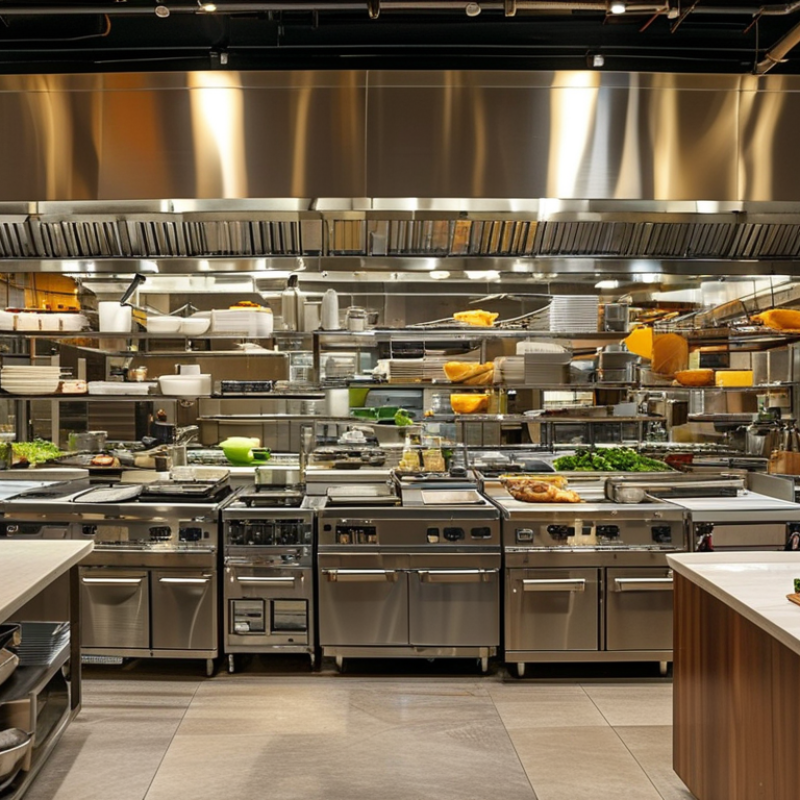
Understanding commercial kitchen appliances is crucial for successful food service operations. These tools streamline food preparation, cooking, and storage processes. When chosen wisely, they enhance efficiency and maintain food quality. Proper appliances save time and reduce waste, contributing to better overall productivity.
Investing in the right kitchen equipment involves more than just cost. Factors like energy efficiency and durability are vital. For example, an energy-efficient oven can lead to noticeable savings on utility bills. However, it’s common to overlook maintenance. Regular upkeep ensures appliances work optimally.
One may also ponder the importance of user training. Staff should be well-versed in operating equipment safely and effectively. Poor training can lead to accidents or equipment damage. Ultimately, understanding appliances within a commercial kitchen is not solely about purchase—it’s about ongoing operation and care.
When selecting appliances for your commercial kitchen, efficiency is crucial. Consider energy consumption and output. Look for appliances that deliver high performance while using less power. This not only cuts costs but also minimizes your environmental footprint.
Investing in multifunctional appliances can save space and money. For example, combo ovens perform multiple tasks. They bake, roast, and steam, all in one unit. This versatility can streamline operations and increase productivity.
Don’t overlook the importance of durability. Appliances in a busy kitchen endure constant use. Prioritize models known for reliability and robust construction. Evaluate warranty options—it can offer peace of mind when making your purchase. This consideration often reflects the manufacturer's confidence in their product reliability.
When investing in commercial kitchen appliances, energy efficiency should be a top priority. Energy-saving equipment not only reduces utility bills but also supports sustainable practices. Look for appliances with ENERGY STAR certifications. These products meet strict energy efficiency standards and can significantly lower operational costs.
Selecting the right kitchen equipment can be tricky. Consider the total cost of ownership, which includes upkeep and energy usage. Sometimes, cheaper appliances can lead to higher long-term expenses. A well-chosen, energy-efficient unit might cost more upfront but save money in the long run.
Regular maintenance is crucial. Neglected equipment can become less efficient over time. Schedule routine checks to ensure everything works properly and efficiently. This proactive approach can prevent costly repairs and prolong the lifespan of your appliances. Nearing the end of the lifecycle, consider if an upgrade could enhance efficiency even further. Balancing cost and effectiveness is key in smart kitchen management.
When investing in commercial kitchen appliances, budgeting and financing are essential. Understanding your needs is crucial. What type of equipment will you use? What is the expected volume of your operations? These questions guide your investment strategy.
Crafting a detailed budget can be challenging. Itemize all potential costs, including purchase prices and maintenance. Factor in some unexpected expenses. A cushion will help when repairs are needed sooner than anticipated. Explore financing options that suit your cash flow. Many providers offer flexible plans tailored to different businesses.
It's common to feel overwhelmed by the options. Some equipment may seem essential now but may not justify the cost long-term. Assess the efficiency of appliances. Are they energy-efficient? Will they last? Consider the overall return on investment rather than just the purchase price. This approach will lead to smarter decisions that benefit your kitchen and bottom line.
Maintaining commercial kitchen appliances is crucial for longevity and efficiency. Regular upkeep can notably reduce unforeseen repair costs. According to a report from the National Restaurant Association, timely maintenance can extend appliance life by up to 30%. This statistic underscores the importance of proper care.
One effective maintenance tip involves regularly checking and cleaning the filters. Clogged filters can cause appliances to work harder, leading to early failure. Ensure that staff members are trained to perform these tasks weekly. Simple acts, like removing grease buildup and replacing worn parts, can make a significant difference in performance.
Additionally, schedule professional inspections at least twice a year. Trained technicians can identify potential issues before they escalate. Investing in preventative care often pays off. A well-maintained oven or refrigerator sustains performance and helps avoid costly downtimes. Remember, each appliance has its quirks. Understanding these nuances can save time and resources in the long run.
| Appliance Type | Maintenance Tip | Frequency | Estimated Lifespan Extension (Years) |
|---|---|---|---|
| Commercial Oven | Regularly clean burners and interior | Monthly | 3 |
| Dishwasher | Check and clean filters | Weekly | 2 |
| Refrigerator | Defrost and clean coils | Seasonally | 5 |
| Fryer | Change oil and clean regularly | Daily | 4 |
| Grill | Scrub grates and check for gas leaks | Weekly | 3 |
: They streamline food preparation, cooking, and storage, enhancing efficiency and maintaining food quality.
Choose energy-efficient models. They reduce utility bills and environmental impact over time.
Consider efficiency, durability, and multifunctionality. These factors improve performance and save space.
Yes, regular upkeep ensures optimal performance. Neglecting maintenance can lead to issues later.
Craft a detailed budget including purchase prices and maintenance costs. Factor in unexpected expenses, too.
Look for flexible financing plans tailored to different businesses. Explore options that fit your cash flow.
Yes, they save space and money. Combo ovens, for example, can bake, roast, and steam all in one.
Lack of training may lead to accidents or damage. Staff should be well-versed in equipment use for safety.
Assess the efficiency and long-term value. Focus on the overall return on investment rather than just purchase price.
Durability is crucial; busy kitchens require reliable equipment. Prioritize robust models with good warranty options for peace of mind.
In "2026 Best Tips to Optimize Investment in Commercial Kitchen Appliances," the article emphasizes the significance of understanding commercial kitchen appliances and their role in operational efficiency. When selecting kitchen equipment, it's crucial to consider key factors such as the type of cuisine, space constraints, and the overall workflow of the kitchen. Energy efficiency is also highlighted, providing insights on how to choose appliances that not only reduce costs but also benefit the environment.
Furthermore, the article elaborates on budgeting and financing options available for those looking to make substantial investments in kitchen equipment. Maintenance tips are provided to ensure longevity and optimal performance of appliances, ultimately answering the question of how to optimize investment in commercial kitchen appliances effectively. Through informed decisions and strategic planning, kitchens can significantly enhance productivity and profitability.

Chef Nest Kitchen