Top 5 Reasons Why Regular Maintenance is Critical for Food Machines?

Time:2026-08-28 Author:Charlotte
0%

Regular maintenance is critical for food machines. Many businesses overlook this crucial aspect. Understanding why regular maintenance is important for food machines can help prevent costly downtime and ensure safety.

Food machines work tirelessly to meet demand. Wear and tear can lead to breakdowns, compromising food quality. Regular checks can identify potential issues before they escalate. This proactive approach minimizes risks and increases reliability.

Moreover, efficient machines ensure compliance with health standards. Neglecting maintenance can lead to severe consequences. Regular servicing improves efficiency and extends machinery lifespan. Investing time in upkeep shows a commitment to quality and safety. Overall, prioritizing maintenance is vital for sustainable operations in the food industry.
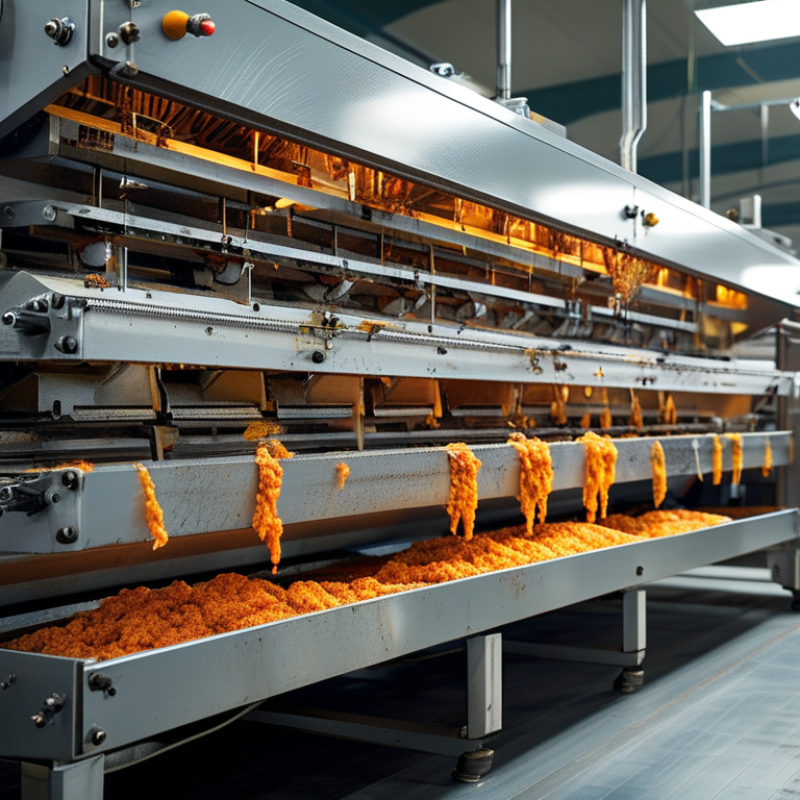
Top 5 Reasons Why Regular Maintenance is Critical for Food Machines?

Importance of Regular Maintenance for Food Machines

Regular maintenance for food machines is essential in maintaining operational efficiency. Machines used in food production require consistent checks to ensure they function correctly. Neglecting this maintenance can lead to unexpected breakdowns. Such failures can disrupt production schedules and lead to costly downtime. Instead of waiting for issues to arise, proactive inspections prevent minor problems from escalating.

Additionally, regular maintenance enhances food safety. If machines are not cleaned or serviced regularly, they can harbor bacteria or contaminants. This can lead to compromised food quality and safety. For manufacturers, this is a risk that cannot be taken lightly. Compliance with health regulations is crucial, and regular maintenance plays a significant role in meeting those standards.

Consider the wear and tear on equipment over time. Operators may overlook signs of malfunction, leading to reduced performance. This can affect product consistency and ultimately customer satisfaction. Investing in a routine maintenance program not only protects the machinery but also safeguards the brand’s reputation. Regular maintenance ensures that production runs smoothly and efficiently without any hidden risks lurking in the shadows.

Top 5 Reasons Why Regular Maintenance is Critical for Food Machines

Reason Description Frequency Impact on Production
Preventive Maintenance Regular checks to prevent breakdowns and ensure machines run efficiently. Monthly Reduces unplanned downtime.
Compliance with Regulations Ensures machines meet safety and health standards. Quarterly Avoids fines and legal issues.
Extending Equipment Lifespan Routine checks can enhance the durability of equipment. Biannually Saves replacement costs.
Improving Product Quality Regular maintenance ensures machines produce high-quality products. Monthly Enhances customer satisfaction.
Cost Efficiency Avoids costly repair jobs through early detection of issues. As needed Improves overall operational budget.

Key Benefits of Routine Inspections in Food Processing Equipment

Routine inspections play a vital role in the food processing industry. They help identify potential issues before they escalate. Regular checks ensure that machines operate efficiently, preventing unexpected breakdowns. This kind of proactive approach can save both time and money.

Another benefit of routine maintenance is safety. Equipment that is well-maintained poses less risk to operators and products. Faulty machines could lead to contamination or accidents. Regular inspections help detect any wear and tear that could compromise safety standards.

However, relying solely on scheduled checks can lead to oversights. Sometimes, human error or misjudgment occurs during inspections. Training staff to recognize subtle signs of wear is essential. Enhanced awareness can lead to better outcomes in maintaining food processing equipment.

Top 5 Reasons Why Regular Maintenance is Critical for Food Machines

Regular maintenance of food processing machines is crucial for maximizing efficiency and reducing operational costs. The above chart illustrates the importance level of the top five reasons why routine inspections are beneficial for food machines.

Impact of Maintenance on Food Safety and Quality Standards

Regular maintenance of food machines plays a crucial role in ensuring food safety and quality. When machines are properly serviced, they operate efficiently, minimizing contamination risks. For example, worn parts or build-up of residue can lead to unsafe food practices. Inconsistent operation may compromise the integrity of food products, making maintenance an essential aspect of compliance with food safety standards.

Effective maintenance schedules should include daily checks, regular cleaning, and thorough inspections. Simple actions, like cleaning the machine after each use, can prevent major issues from arising. Additionally, training staff to identify potential mechanical problems is crucial. Engaging employees in this process fosters a culture of responsibility regarding food safety.

Neglecting maintenance can lead to unforeseen breakdowns, disrupting production and impacting food quality. Machines might function below optimal performance, affecting the final product's taste and texture. Reflecting on past oversights can help in creating a more robust maintenance plan. Continuous improvements in maintenance strategies ensure high standards in food safety and quality, ultimately benefitting consumers.

Cost Savings Through Preventive Maintenance Strategies

Regular maintenance is key to reducing costs in food machinery operations. According to a report by the Food and Drug Administration (FDA), improper maintenance can cause equipment failures that may lead to production halts and extended downtime. This effectively increases overhead costs for businesses. Studies show that a preventive maintenance program can lower repair costs by up to 30%. The data suggests that investing in regularly scheduled maintenance pays off in reducing unexpected breakdowns.

Companies often underestimate the impact of neglecting machine upkeep. An equipment failure can lead to spoilage of raw materials, which is costly. The Food Processing Journal notes that food wastage can rise by as much as 10% during unexpected equipment failures. Regular checks can help identify potential issues before they escalate, helping to maintain production efficiency and protect profit margins.

Investing in preventive strategies is not just about saving money. It also ensures compliance with health and safety regulations. A proactive approach to maintenance can enhance the reliability of food processing operations. Yet, many organizations still wait for machines to fail before taking action, which can highlight areas for improvement in operational strategies. Identifying these gaps can ultimately transform maintenance processes into a key advantage in a competitive market.

Enhancing Equipment Longevity and Operational Efficiency

Regular maintenance of food machines is essential for ensuring longevity and operational efficiency. A well-maintained machine can work smoothly for years, reducing the frequency of breakdowns. Frequent checks allow for early detection of wear and tear, preventing costly repairs. Cleanliness is vital in the food industry. Machines that are not regularly cleaned and serviced can lead to product contamination. This risk can be minimized through routine inspections and maintenance.

Operational efficiency is enhanced when machines run at optimal performance. Machines that are regularly maintained operate more efficiently, using less energy and minimizing waste. This leads to significant cost savings over time. However, neglecting maintenance can lead to inefficiencies that are easy to overlook. A small issue can escalate into a larger problem, impacting productivity.

It's crucial that food manufacturers stay vigilant about maintenance schedules. Equipment that appears to function well might have underlying issues. Regular maintenance does require time and effort, but it's a worthwhile investment. Reflecting on past experience reveals that those who prioritize maintenance avoid unexpected operational interruptions. This helps in maintaining high-quality standards in food production.

FAQS

: Why are routine inspections important in food processing?

: They identify issues early, ensuring machines operate efficiently. This approach saves both time and money.

How do regular checks improve safety in food processing?

Well-maintained equipment reduces risks of contamination or accidents. Faulty machines can jeopardize safety standards.

What can happen if inspections are overlooked?

Oversights may occur due to human error. This can lead to costly equipment failures and production halts.

How does preventive maintenance affect costs?

It can lower repair costs by up to 30%. Regular checks prevent unexpected breakdowns, saving businesses money.

What is the impact of neglecting machine upkeep?

Neglect can lead to spoilage of materials and increased food wastage. This can rise by 10% during unexpected failures.

Why should organizations not wait for machines to fail?

Waiting can highlight weaknesses in operational strategies. Proactive maintenance can transform operations into competitive advantages.

How can training staff help with inspections?

Training enhances staff awareness of wear signs. This leads to better maintenance outcomes in food processing equipment.

Are preventive strategies only about saving money?

No, they also ensure compliance with health regulations. This enhances the reliability of food processing operations.

What might be a common mistake in maintenance strategies?

Many companies underestimate the costs of neglect. This can lead to missed opportunities for improvement.

What is a potential flaw in relying on scheduled checks?

Scheduled checks alone may miss subtle signs of issues. Increased vigilance is necessary for effective maintenance.

Conclusion

Regular maintenance is critical for food machines to ensure optimal operation and compliance with safety standards. One of the primary reasons why regular maintenance is important for food machines is its role in preventing equipment failures that can disrupt production and compromise food safety. Routine inspections not only help identify potential issues before they escalate but also enhance the overall quality of the processed food, ensuring adherence to regulatory requirements.

Additionally, implementing preventive maintenance strategies can lead to significant cost savings by reducing unplanned downtime and extending the lifespan of the equipment. This proactive approach also improves operational efficiency, allowing food processing facilities to maintain productivity without sacrificing safety. In summary, a commitment to regular maintenance is essential for maximizing reliability, safety, and efficiency in food machines.

Charlotte

Charlotte

Charlotte is a seasoned marketing professional with a deep understanding of the company's portfolio and a passion for elevating its presence in the market. With a keen eye for detail and a commitment to excellence, she ensures that our professional blog is regularly updated with insightful articles......