The bakery and kitchen industry faces significant challenges. Rising labor costs and ever-changing consumer preferences demand efficient operations. According to a recent report by IBISWorld, the bakery industry is projected to grow by 2.2% annually. This trend emphasizes the necessity of effective strategies to enhance productivity. Understanding how to automate bakery and kitchen operations is crucial for survival in this competitive market.
Automation reduces human error and streamlines workflows. A study by Technavio indicates that the global bakery automation market will reach $6 billion by 2025. This shift highlights the growing reliance on technology in food production. However, implementing automation is not a straightforward process.
Many businesses face hurdles, such as high initial costs and staff resistance. Automation can enhance efficiency but may require significant adjustments. Identifying the right tools and processes to automate is essential. Therefore, understanding how to automate bakery and kitchen operations effectively is vital for those looking to thrive in this evolving landscape.
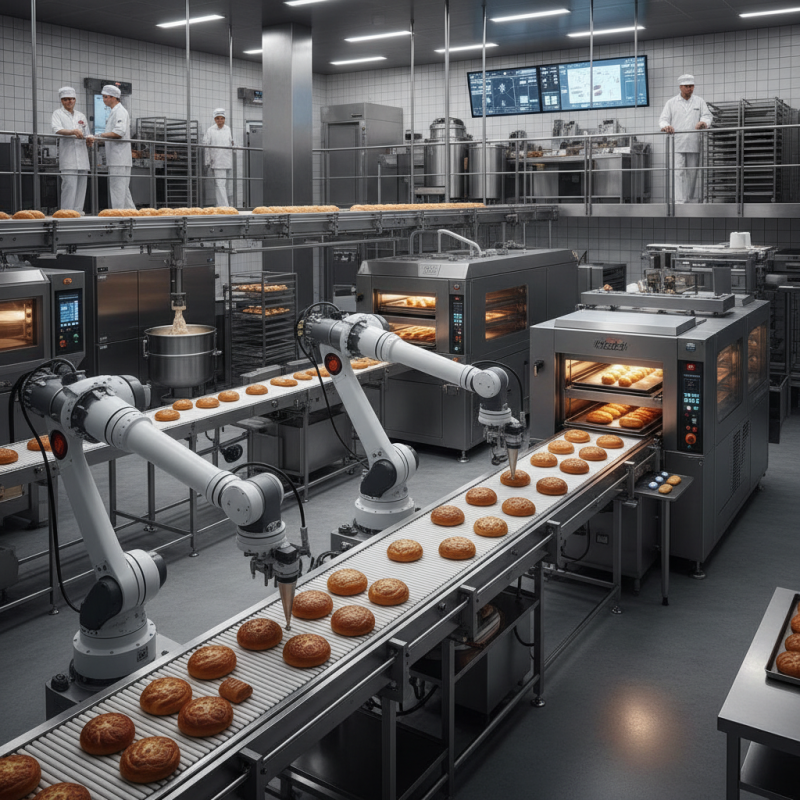
In the bakery and kitchen industry, efficiency is key. Identifying essential operations can streamline workflows and boost productivity. A recent industry report highlighted that nearly 70% of bakery inefficiencies stem from outdated processes. Understanding these workflows helps pinpoint areas for improvement.
For instance, inventory management is crucial. Bakeries often struggle with tracking raw materials. Ineffective tracking can lead to overstocking or, worse, running out of essential ingredients. Studies show that automating inventory can reduce waste by up to 15%. This not only saves costs but also ensures consistent product availability.
Another vital area is labor management. Research indicates that labor accounts for about 30-40% of bakery costs. Automating scheduling and task assignments can improve staff productivity.
However, many operations still rely on manual processes, which can lead to miscommunication and errors. Regular assessments of these operations are necessary to adapt and refine them. Recognizing these key workflows is the first step to achieving efficiency in bakery and kitchen environments.
In the quest for efficiency, bakeries face unique operational challenges. Automating processes can significantly streamline production lines. Tools like automated mixers, dough sheeters, and ovens can boost consistency and reduce labor costs. Integrating software solutions for inventory management can ensure that ingredients are always in stock. However, these systems require a upfront investment that may be hard for small businesses.
It's also crucial to assess staff readiness for this change. Training employees to work alongside machines is necessary to avoid disruptions. Communication is key during this transition. While technology offers precision, there can be a learning curve. Inadequate training can lead to errors or decreased productivity. Track performance regularly to identify areas needing adjustment.
Implementing automation is not one-size-fits-all. Each bakery has distinct operations, and not all processes need automating. Balancing automation with human skill is essential. Relying solely on machines can overlook the nuances of baking that require a human touch. Regular evaluation of both technology and staff can create a more harmonious production environment.
Managing inventory efficiently is crucial for bakery and kitchen operations. According to a report by the National Restaurant Association, approximately 30% of a restaurant's food inventory is never used. This indicates a significant loss due to spoilage, overstocking, or inefficient ordering processes. Implementing inventory management systems can drastically reduce such waste. Automated systems can monitor stock levels and track usage patterns in real-time, allowing businesses to order precisely what they need.
An effective inventory management solution can lead to smoother operations. For example, bakeries can forecast demand based on sales data, avoiding both shortages and surpluses. Data from the American Bakers Association reveals that bakeries with automated inventory systems see a 15% reduction in excess stock. This not only improves cash flow but also enhances product freshness. Yet, many businesses still struggle to adapt to technology. Lack of training or understanding can hinder full utilization of these systems. Constant evaluation of the process is necessary to ensure continuous improvement and adaptation to changing market conditions.
| Ingredient | Current Stock (kg) | Reorder Level (kg) | Supplier | Last Ordered Date | Next Order Date |
|---|---|---|---|---|---|
| Flour | 150 | 50 | Grain Supplier Co. | 2023-10-01 | 2023-10-15 |
| Sugar | 80 | 30 | Sweet Supply Inc. | 2023-10-05 | 2023-10-20 |
| Butter | 40 | 20 | Dairy Fresh Ltd. | 2023-10-03 | 2023-10-17 |
| Eggs | 120 | 40 | Farm Eggs Co. | 2023-10-02 | 2023-10-18 |
| Yeast | 10 | 5 | Baker's Choice Corp. | 2023-10-06 | 2023-10-22 |
Training staff on new automation technologies is crucial for modern bakeries and kitchens. As operations become more tech-driven, employees must adapt quickly. Studies show that 60% of food service workers feel unprepared for new technology. This gap can lead to costly inefficiencies and reduced product quality. Investing in hands-on training and clear guidance will help close this gap.
Utilizing interactive training programs can significantly improve staff confidence. Research indicates that businesses with robust technology training see a 25% increase in employee efficiency. Programs should include practical sessions, where employees can apply new skills in a supportive environment. Engaging staff early fosters a culture of innovation. Furthermore, regular feedback loops can identify areas for improvement.
Despite these efforts, some staff may resist change. This resistance can stem from fear of job loss or discomfort with new systems. Addressing these concerns openly can cultivate a more cooperative atmosphere. Continuous evaluation of training processes helps refine approaches. Adapting to the dynamic needs of the team ensures that automation enhances rather than complicates their work.
In the fast-paced world of bakeries and kitchens, automation presents significant opportunities for efficiency. Embracing automated systems allows for precision in production. However, monitoring these systems is crucial for achieving continuous improvement. According to a report by the International Journal of Hospitality Management, effective system monitoring can enhance operational efficiency by up to 20%. This statistic highlights the importance of not just implementing technology but also regularly assessing its performance.
A key aspect of optimization involves data analysis. Tracking key performance indicators (KPIs) such as production speed and waste levels can reveal trends over time. For instance, a rise in waste may indicate a malfunctioning machine or an inefficient process. By addressing these issues promptly, kitchens can refine their operations and reduce costs. Reports show that kitchens that utilize data-driven decisions achieve a 15% reduction in operational costs.
While automation brings benefits, it can also introduce complexities. Not every automated system functions flawlessly. Regular calibration and updates are necessary to ensure optimal performance. Teams must remain vigilant against complacency. Continuous training and feedback loops play a vital role in keeping staff engaged with new technologies. Inconsistent monitoring can lead to missed opportunities for improvement, emphasizing the need for a proactive approach in optimizing automated systems.
: Automation boosts production line efficiency, consistency, and reduces labor costs. It streamlines various baking processes.
Integrating software solutions for inventory management helps ensure that ingredients are always well-stocked.
Small businesses may find the upfront investment challenging. Staff readiness and training are also significant hurdles.
Adequate training is crucial to avoid disruptions and ensure employees can effectively work with new technology.
While technology provides precision, inadequate training may lead to errors and decreased productivity among staff.
No, not all processes require automation. Balancing human skill with machines is essential for quality baking.
Engaging staff early in training and addressing their concerns openly can create a cooperative atmosphere.
Continuous feedback helps identify training areas needing improvement, ensuring staff can adapt effectively to new technology.
Companies with effective technology training may see up to a 25% increase in employee efficiency and confidence.
Resistance can stem from job loss fears or discomfort. Open discussions can alleviate concerns and improve team dynamics.
In the quest to understand how to automate bakery and kitchen operations efficiently, it is essential to first identify the key processes that govern workflows. This initial assessment allows businesses to pinpoint which areas could benefit most from automation. Following this, evaluating various tools and technologies tailored for food production becomes crucial. This step can enhance productivity and consistency in quality.
Once appropriate automation tools are selected, implementing an effective inventory management system is vital to streamline operations. Training staff on new technologies and processes ensures that the transition is smooth and that employees are well-equipped to handle automated systems. Finally, continuous monitoring and optimization of these automated systems lead to sustained improvements, paving the way for a more efficient and productive bakery and kitchen environment.

Chef Nest Kitchen