In the fast-paced world of baking, efficiency is critical. "Why bakery equipment is essential for efficiency," explains Emily Bennett, a leading expert in food production technologies. With the right tools, bakeries can streamline their processes and reduce waste.
Consider the impact of an industrial mixer. It can significantly cut down mixing time and ensure uniform consistency in dough. Inaccurate measurements or inconsistent mixing can lead to wasted ingredients and failed batches. Efficient equipment not only saves time but enhances overall product quality.
However, investing in advanced bakery equipment can be daunting for small businesses. Many owners hesitate, unsure if the costs will justify the benefits. Reflecting on past experiences with outdated tools highlights the need for careful evaluation. Adapting to new technologies may feel overwhelming, but the potential rewards can transform a bakery's output.
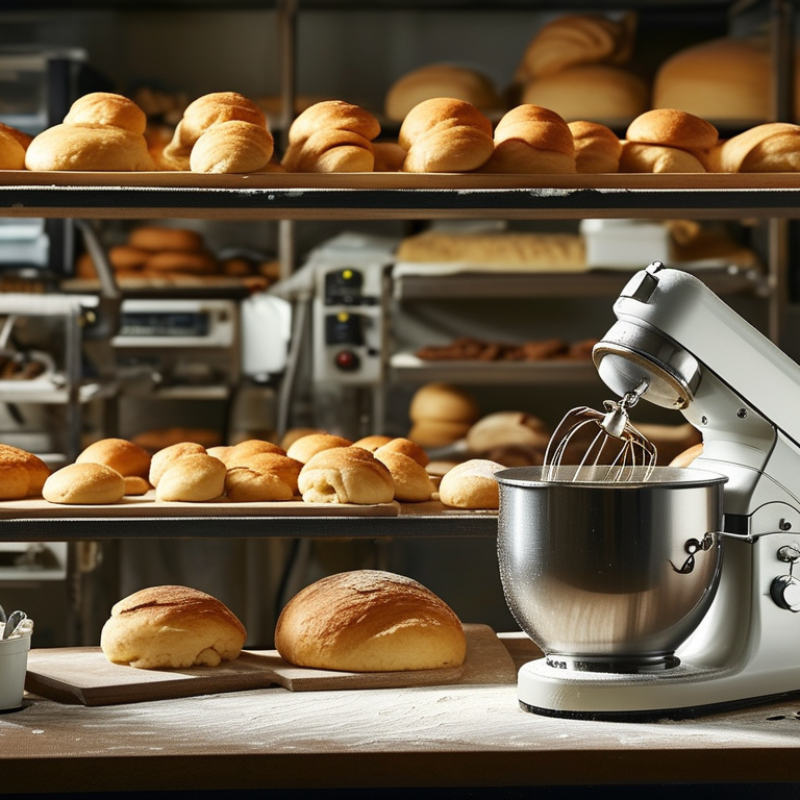
In the fast-paced bakery industry, efficient production is crucial. Advanced bakery equipment plays a vital role in streamlining processes. According to a recent industry report, bakeries can boost production efficiency by up to 25% with automated mixers and proofers. Automation allows for consistent mixing and proofing, ensuring uniformity in products. This uniformity can significantly reduce waste and improve overall quality.
Consider the impact of high-capacity ovens. These ovens optimize energy use and reduce baking times. A study indicated that using advanced convection ovens can save up to 20% in energy consumption versus traditional models. However, transitioning to automation requires careful planning. Not all bakeries have the resources to invest in new equipment. Balancing cost and efficiency can be challenging.
Operational downtime is another concern. Maintenance issues can disrupt production flow. Regular upkeep of bakery equipment is essential, yet many bakeries overlook this aspect. They may face batch inconsistencies and reduced output as a result. Investing in reliable machinery and regular inspections can help mitigate these risks. Overall, embracing professional equipment is key to navigating the complexities of modern baking.
Modern bakery equipment plays a critical role in enhancing baking consistency and quality. Advanced mixers, ovens, and proofers ensure ingredients are mixed evenly and baked accurately. This technology eliminates human error, resulting in uniform products. Bakers can maintain precise temperatures and times, leading to better texture and flavor in every loaf or pastry.
Tips: Invest in reliable thermometers. Ensure your oven’s temperature is accurate. A small adjustment can change everything.
Embracing automation is another strategy. Automated systems streamline repetitive tasks, freeing up time for creativity. However, moving to automated equipment can present challenges. Switching systems may create a learning curve. Staff might resist changes, leading to initial setbacks. A balance is needed, as too much reliance on technology can stifle innovation.
Tips: Begin with one automated machine. Train your staff thoroughly to build confidence. Monitor their progress to address issues early.
Ultimately, the right equipment can revolutionize a bakery's operation. Effective tools lead to higher quality, consistent products that satisfy customers. But it’s essential to regularly assess the equipment's effectiveness. Old machines may hinder progress, impacting the final outcome of baked goods. Regular reviews are crucial to keep up with industry standards.
Upgrading bakery equipment can lead to significant financial rewards. New machinery enhances productivity by streamlining operations. Advanced ovens and mixers often provide consistent results, minimizing waste and optimizing ingredient usage. This reliability means fewer failed batches, saving both time and money.
Investing in modern equipment can initially seem daunting. It requires capital and careful planning. However, the long-term savings often outweigh these initial costs. Efficient machines consume less energy, which translates to lower utility bills. Additionally, faster production times enable bakeries to meet market demands, increasing revenue.
Yet, businesses must also consider the learning curve of new technology. Staff training is essential to fully capitalize on these upgrades. Without proper knowledge, even the best equipment can underperform. Embracing change involves challenges, but the potential for efficiency gains makes it worthwhile.
The bakery industry is experiencing a significant transformation driven by innovative equipment. Advanced technology trends are enhancing operational productivity. For instance, automated mixing and baking systems reduce manual labor, increasing output. According to a recent industry report, automation can improve efficiency by up to 20%.
Temperature and humidity-controlled proofing cabinets are also pivotal. They create ideal environments for dough fermentation, resulting in consistent quality. Studies indicate that such cabinets can cut down proofing time by 25%. This efficiency not only boosts production speed but also ensures uniformity in product quality.
Moreover, data analytics is becoming essential. Smart ovens can track performance and offer insights into process optimization. These technologies help bakers identify bottlenecks and improve workflow. However, investment in these advanced systems can be daunting for smaller operations. Many bakeries are still hesitant to adopt these technologies, risking obsolescence in a competitive market. Embracing change is crucial, yet the path is not without challenges.
Upgrading bakery equipment can dramatically enhance operational efficiency. For example, a study by the American Bakers Association found that modern ovens and mixers improve baking consistency. Efficient machines often reduce waste, ensuring higher profit margins.
In a notable case, a small bakery implemented automated dough sheeters. This change saved time and manpower. Production increased by 30%, yet the team struggled to adapt to new workflows. Training took longer than expected. This highlights a common issue: technology upgrades require adjustment periods.
Another inspiring case involves a medium-sized bakery that replaced manual packaging processes with automated systems. They reduced packaging errors and sped up production by 25%. However, there were initial hiccups in machine calibration. Staff needed to develop new skills, reminding us that equipment is a tool, not a magic solution. Balancing technology and human expertise is vital in realizing efficiency gains.
: Innovation in equipment, like automated systems, is enhancing operational productivity.
Automation can improve efficiency by up to 20%, reducing manual labor and increasing output.
They provide ideal conditions for fermentation, cutting proofing time by 25% for consistent quality.
Smart ovens track performance and help optimize processes, improving workflow and identifying bottlenecks.
Yes, smaller bakeries often hesitate to adopt technologies due to high investment costs and risk of obsolescence.
A small bakery used automated dough sheeters, increasing production by 30%, but training was a challenge.
Automating packaging reduced errors and sped up production, but staff needed new skills for effective use.
No, technology is a tool. Balancing it with human expertise is essential for realizing efficiency gains.
They should assess the training needs and adjustment periods required for staff to adapt to new systems.
They enhance baking consistency, reduce waste, and help achieve higher profit margins.
In the competitive world of baking, understanding why bakery equipment is essential for efficiency is crucial for success. Effective bakery equipment plays a pivotal role in streamlining production processes, which leads to enhanced workflows and reduced labor time. Modern machinery not only ensures baking consistency and superior quality but also brings significant financial advantages by reducing waste and enabling faster production cycles.
Moreover, embracing the latest technology trends in bakery equipment can markedly boost operational productivity, allowing businesses to meet the growing demand without compromising on quality. Case studies of leading bakeries demonstrate how strategic equipment upgrades have resulted in notable efficiency gains, emphasizing the importance of investing in the right tools to stay ahead in the industry.

Chef Nest Kitchen