When it comes to operating a successful commercial kitchen, understanding what to consider when buying commercial kitchen machines is vital. Renowned chef and kitchen equipment specialist, James Cordon, emphasizes this point. He once stated, "The right machines can revolutionize your kitchen's efficiency." His experience highlights the critical importance of choosing the right equipment.
Purchasing kitchen machines is not merely a logistical decision; it impacts your entire workflow. Many chefs focus on brand names and aesthetics. However, practical aspects are equally important. Features such as energy efficiency, maintenance needs, and floor space must be considered. Many fall into the trap of overlooking these details, resulting in expensive mistakes.
Additionally, understanding your kitchen's specific needs can guide your choices. What works for one restaurant may not suit another. It's essential to balance quality with budget constraints. Remember, every machine purchased is an investment in your kitchen's future. Stay informed, consult industry experts, and take the time to evaluate your options. By doing so, you ensure your commercial kitchen runs smoothly and effectively.
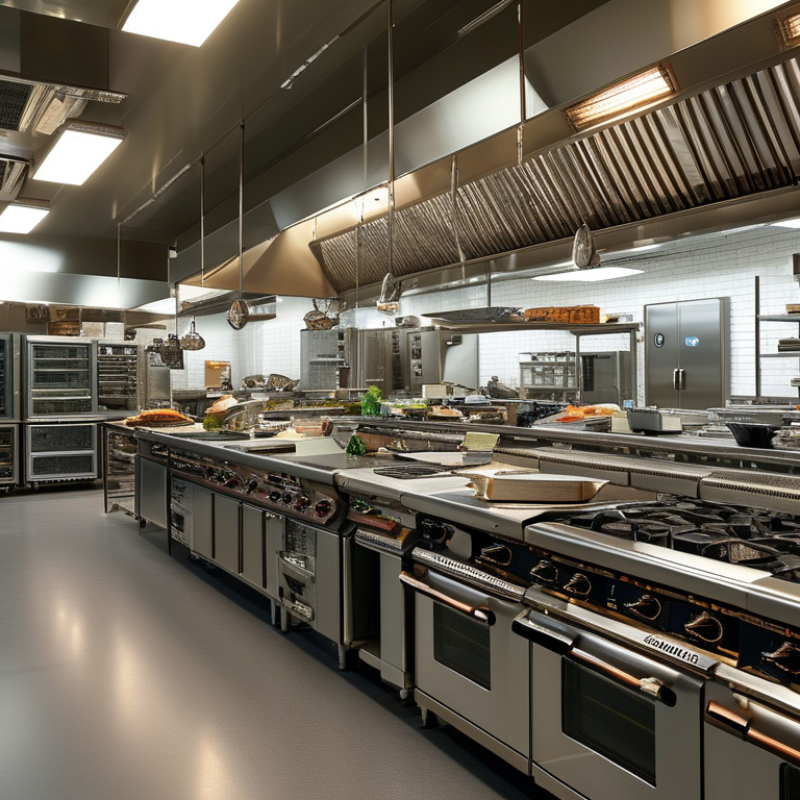
When considering commercial kitchen machines, it is crucial to understand your kitchen's specific needs and workflow. According to industry reports, businesses spend an average of 4-6% of their revenue on kitchen equipment. This investment requires a clear understanding of your operation's demands. Assess the volume of food production you expect. If you anticipate high demand, prioritize equipment with greater capacity and efficiency.
Evaluate your kitchen's layout and flow. A well-planned kitchen enhances productivity. For example, the National Restaurant Association suggests that efficient workflow reduces service time by up to 20%. Think about how equipment placement affects your staff's movement. Make sure that hazardous areas are avoided, and ensure that every piece of equipment is easily accessible.
Don't overlook the importance of energy efficiency. The U.S. Department of Energy indicates that commercial kitchens often account for 10% of a restaurant's total energy consumption. Investing in energy-efficient machines can reduce costs over time. Stay informed about advancements in technology. However, be aware that what works in theory may not translate perfectly to your unique situation. Regularly reassess your equipment to meet growing needs and optimize your kitchen's performance.
When selecting commercial kitchen machines, it’s crucial to align your equipment with your menu and services. Start by analyzing your core offerings. Are you preparing grilled dishes? If so, a reliable grill may be essential. For baking, consider ovens that evenly distribute heat. Each machine you choose should support your specific cuisine type.
Think about the volume of business as well. High-demand services require durable machines that can handle constant use. Equipment that breaks down can slow operations or compromise food quality. It’s vital to assess maintenance requirements too. Some machines need frequent servicing, while others are built for longevity.
Connecting equipment to menu demands is not always clear-cut. Some items may seem necessary, but will they actually enhance your services? Reflect on your workflow. Is space an issue? If so, compact options might be necessary despite their limited functions. Balancing versatility with specialization can lead to tough choices, which is part of the process.
| Equipment Type | Key Features | Considerations | Average Cost |
|---|---|---|---|
| Commercial Oven | Even heat distribution, multiple rack positions | Size, fuel type (electric/gas) | $2,000 - $10,000 |
| Commercial Refrigerator | Energy-efficient, adjustable shelving | Capacity, temperature control | $1,000 - $5,000 |
| Food Processor | Multiple blades, large capacity bowl | Power, ease of cleaning | $200 - $1,500 |
| Commercial Mixer | Multiple speed settings, durable construction | Size, planetary vs. spiral | $400 - $3,000 |
| Electric Grill | Fast heating, adjustable temperature | Size, power consumption | $100 - $2,500 |
| Commercial Dishwasher | High efficiency, quick cycle times | Size, water usage | $1,000 - $10,000 |
| Deep Fryer | Temperature control, oil filtration | Size, safety features | $300 - $4,000 |
| Blender | High speed, durable jar | Power, ease of use | $100 - $1,000 |
| Ice Maker | Automatic production, various ice types | Volume, energy efficiency | $1,500 - $5,000 |
| Griddle | Flat cooking surface, quick heating | Size, material | $500 - $5,000 |
When purchasing commercial kitchen machines, evaluating equipment quality is crucial. Quality directly impacts performance and longevity. According to a recent industry report, high-quality machines can last up to 20% longer than their lower-quality counterparts. Inspect materials used in construction. Stainless steel remains a top choice due to its resistance to corrosion and ease of cleaning.
Durability is another key factor. Machines that withstand daily stress are essential for busy kitchens. Data shows that nearly 30% of equipment failures in commercial kitchens are due to poor durability. Look for warranties that reflect the manufacturer’s confidence. A longer warranty often indicates higher quality and durability.
Brand reputation plays a significant role as well. Research indicates that brands with strong reputations for reliability tend to have lower repair costs. Seek out consumer reviews and testimonials. Many industry leaders emphasize the importance of user experiences. Consider visiting kitchens that utilize the equipment for firsthand insights. This knowledge can guide effective decision-making in choosing the right machines for your operations.
When exploring commercial kitchen machines, budget constraints are a key factor. A recent report from IBISWorld indicated that over 60% of small restaurant owners face financial limitations when purchasing equipment. Understanding financing options can make a significant difference. Many suppliers offer leasing or financing plans, allowing establishments to acquire necessary machines without hefty upfront costs.
Investing in quality equipment can pay off in the long run. However, it’s essential to weigh the cost against potential inefficiencies. A lower-priced machine may save you money initially, but higher maintenance costs could offset that savings. In fact, research shows that poor quality equipment can lead to a 30% increase in operational downtime. This can affect overall profitability and customer satisfaction.
It’s also wise to calculate the total cost of ownership, not just upfront expenses. This includes energy consumption, maintenance, and even expected lifespan. An analysis from the Foodservice Equipment Reports suggests that energy-efficient machines can reduce utility bills by up to 20%. Consider how long you plan to use the machine, as higher-quality options often last longer, making them a wiser choice—even if they are pricier upfront.
Thoughtful budgeting can ensure that your kitchen is both efficient and equipped for success.
When purchasing commercial kitchen machines, assessing space requirements is crucial. Each kitchen has unique dimensions and layouts. A thorough measurement of the available space can prevent future complications. Without considering this, machines may not fit or impede workflow.
The dimensions of kitchen machines can vary significantly. Larger equipment requires more space but might offer better efficiency. Think about how different machines will interact in your kitchen. For example, a bulky oven in a cramped kitchen could obstruct movement, causing frustration. It’s essential to visualize the arrangement before making a purchase.
Reflecting on past setups can provide valuable insights. Did your previous machines fit comfortably? Were they accessible? These questions can guide your choices. Prioritize versatility and functionality that align with your kitchen’s needs. Avoid purchasing equipment that looks appealing but may not serve you well in practice. Remember, a precise fit can lead to a more efficient kitchen environment.
: Analyze your core offerings first. Choose machines that align with your specific cuisine type.
Durable machines handle constant use better. Breakdowns can slow operations and affect food quality.
Maintenance requirements vary. Some machines need frequent servicing; others are built for longevity.
Measure your space carefully. Machines that don’t fit can impede workflow and cause frustration.
Not necessarily. Larger equipment requires more space and may obstruct movement in smaller kitchens.
Reflect on past setups. Did previous machines fit well? Accessibility is key to smooth operations.
Tough choices arise when assessing needs. Reflect on workflow to determine if compact options are necessary.
No, prioritize functionality and how well the equipment serves your kitchen’s specific needs.
Ill-fitting machines can lead to inefficient workflows and hinder movement, causing complications during busy times.
Yes, reflecting on your setup can provide insights for future purchases and improve kitchen efficiency.
When determining what to consider when buying commercial kitchen machines, it is crucial to start by understanding your kitchen's specific needs and workflow. Evaluate the essential equipment that will support your menu and services, ensuring that you select machines that enhance efficiency. Additionally, consider the quality, durability, and brand reputation of the equipment, as these factors will significantly impact your operational success and long-term investment.
Budget is another critical aspect; assess your financial constraints and explore financing options that may be available. Lastly, pay attention to the spatial requirements of your kitchen and the dimensions of the machines to ensure they fit seamlessly into your layout. By thoughtfully considering these elements, you can make informed decisions that will optimize your commercial kitchen's performance and profitability.

Chef Nest Kitchen