Choosing the right equipment is vital for food businesses. When it comes to food machines, ensuring they are FDA-approved is crucial. According to a recent report by the Food Institute, over 70% of food manufacturers emphasize compliance with FDA regulations. This reflects a growing awareness of safety and quality standards in the industry.
Understanding how to choose FDA-approved food machines can significantly impact your operations. Each machine should meet stringent health and safety guidelines. Failing to comply can lead to costly recalls and damage to your brand's reputation. Industry research indicates that about 30% of food recalls are due to equipment failures or non-compliance issues.
Investing time in the selection process is necessary. Look for machines that not only meet FDA standards but also suit your specific production needs. It's important to weigh factors such as efficiency, durability, and maintenance. This decision could affect your business's longevity and customer trust. Careful consideration today can prevent regrets in the future.
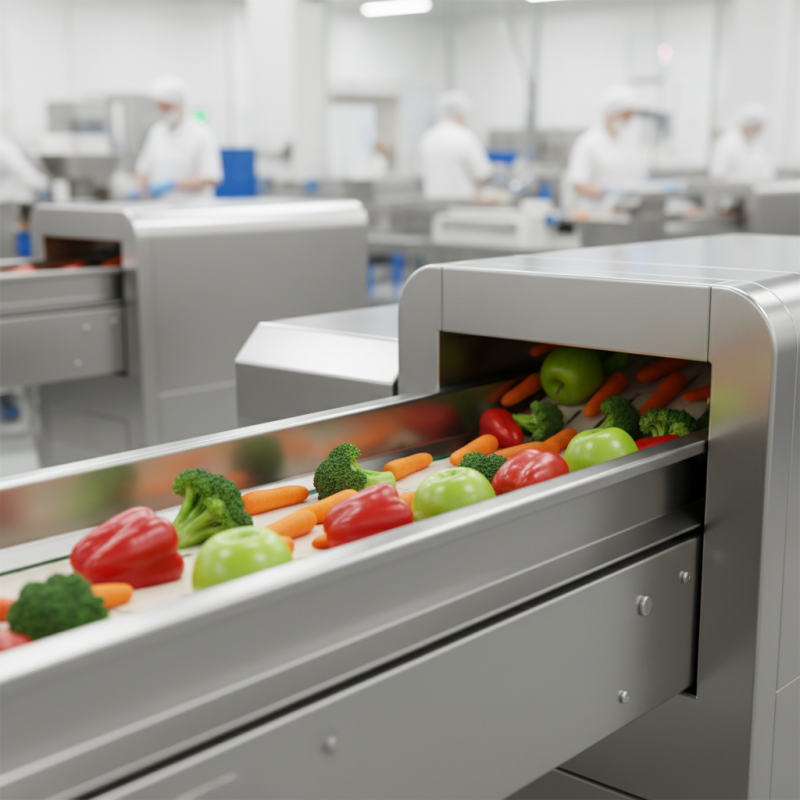
When selecting FDA-approved food machines, understanding the approval process is crucial. The FDA, or Food and Drug Administration, sets standards to ensure food safety. These standards help protect consumers and maintain quality across the food industry. Machines that receive FDA approval have undergone rigorous testing. They meet safety, sanitation, and operational guidelines.
FDA approval means the equipment is suitable for food processing. It has passed evaluations about materials and safety. The review looks at how machines operate within food environments. Are the surfaces easy to clean? Do they avoid contamination risks? These questions guide the approval process. Not all machines will meet these criteria accurately.
Choosing the right food machine isn't always straightforward. Some may seem compliant but lack proper documentation. Others might not perform well in a busy kitchen. Investing time in research is essential. Look for detailed specifications and certification documents. This helps ensure you're selecting reliable equipment that complies with FDA standards. Understanding the nuances can promote better decision-making for your business.
Choosing the right FDA approved food machines for your business starts with identifying your specific needs. According to a report by Technavio, the global food processing equipment market is projected to reach $70.15 billion by 2025. This highlights the growing demand for efficient machinery. Knowing what your business requires can save you time and money.
Consider the type of food products you will handle. Different machines serve different purposes. For instance, if you work with liquids, you might need pumps or mixers. If you focus on packaging, then filling machines would be essential. Analyze your production volume, as this influences the scale of machinery required. Sometimes, smaller operations might benefit from modular machines that can expand as needed.
Tips: Always evaluate the compatibility of machines with your current setup. Research potential machine failures and maintenance requirements. A 2021 report indicated that nearly 30% of food manufacturers face downtime due to equipment issues. Balance the cost with expected performance. Investing in higher-quality machines might seem daunting, but it could enhance your efficiency in the long run.
When selecting FDA-approved food machines, it’s crucial to evaluate machine specifications thoroughly. Focus on the materials used in the machine construction. Stainless steel is often a preferred choice due to its non-reactive nature. This ensures that food safety is maintained. Additionally, consider the machine's design. Proper seals and easy-to-clean surfaces can make a significant difference in compliance with FDA standards.
Compliance standards are essential in the food industry. Machines should meet specific criteria to ensure they are safe for food processing. Look for certification marks that indicate compliance. These marks show that the machine has passed rigorous testing. However, not all machines are created equal. Some may appear compliant but lack essential features that enhance safety.
Another aspect to reflect upon is the machine's operational capacity. Buying a machine that exceeds your current needs can lead to wastage. Conversely, opting for underpowered equipment may compromise efficiency. Balance is key. It’s important to analyze your production requirements closely. This analysis will help ensure the machine not only meets FDA standards but also serves your business goals effectively.
| Machine Type | Specifications | FDA Compliance Standard | Notes |
|---|---|---|---|
| Mixing Machine | 500L capacity, Stainless Steel | 21 CFR Part 110 | Easy to clean, suitable for all food types |
| Packaging Machine | High-speed, 200 packages/minute | 21 CFR Part 177 | Automated setup for various package sizes |
| Pasteurizer | Heat exchange system, 500L/hr | 21 CFR Part 113 | Energy efficient, reduces product spoilage |
| Filtration System | Multi-stage filtration, 1000L/hr | 21 CFR Part 129 | Removes impurities for improved product quality |
| Freezer | Blast freezing, -40°C | 21 CFR Part 110 | Preserves food freshness over extended periods |
When it comes to selecting FDA approved food machines for your business, researching reputable manufacturers and suppliers is crucial. Start by identifying companies with a track record of compliance and quality. Look for certifications and industry recognitions that signal reliability. A manufacturer’s history can provide insights into their commitment to safety standards.
Engage with industry forums or attend trade shows to gather opinions about various suppliers. Check reviews and ratings from other business owners. Connect with peers who have experience with specific manufacturers. This word-of-mouth approach can unveil valuable insights and highlight potential concerns.
It’s important to be critical when assessing suppliers. Look beyond glossy brochures and flashy websites. Ask for case studies or references. Sometimes, the most reputable looking companies may not be the best fit for your specific needs. Be prepared for ongoing assessments of service quality and machine performance. Understanding your supplier's return policies and warranty terms is also essential.
When selecting FDA approved food machines, budget considerations play a crucial role. The initial cost of these machines can vary widely. Brands, features, and capacities all influence pricing. It’s essential to align your choice with your budget constraints. Have a clear budget in mind before starting the search. This will help narrow down options effectively.
Financing options can ease the financial burden. Leasing machines instead of purchasing can be a viable solution. This allows businesses to spread costs over time. Consider financing through banks or credit unions as well. Some manufacturers also offer payment plans. Comparing different options can uncover more favorable terms.
Remember, the cost is not the only factor. Maintenance and operational expenses must be considered. Regular upkeep can add to long-term costs. Therefore, prioritize machines that are reliable and easy to maintain. It might take time to find the perfect fit. Assess your needs and reflect on the long-term benefits of your investment.
approval for food machines?
The FDA assesses materials, safety, and the machine’s operational performance within food environments.
Some machines may seem compliant but lack essential documentation, risking potential health issues.
Evaluate the initial cost, along with long-term maintenance and operational expenses when budgeting.
Yes, leasing or financing through banks can help distribute costs over time.
Detailed research helps ensure the equipment selected is reliable and meets FDA compliance.
Investing in machines without proper evaluation can lead to inefficiency and increased costs.
Focus on selections that are easy to maintain and have proven track records.
Consider both immediate needs and long-term benefits to your business operations.
When considering how to choose FDA-approved food machines for your business, it's essential to understand the FDA approval process specific to food machinery. Start by identifying your business's unique needs and requirements, which will guide you in selecting the most suitable equipment. Next, evaluate the specifications and compliance standards of various machines, ensuring they adhere to safety and quality regulations.
Additionally, researching reputable manufacturers and suppliers can help you find reliable options that meet FDA approvals. Finally, budgeting and exploring financing options for FDA-approved machines will aid in making informed decisions without compromising on quality. By following these steps, you can effectively navigate the complexities of selecting the right food machinery for your business.
Chef Nest Kitchen