How to Choose Food Processing Equipment for Your Business?

Time:2026-04-29 Author:Mason
0%

Choosing the right food processing equipment is crucial for your business's success. It can impact efficiency, product quality, and overall profitability. Understanding how to choose food processing equipment involves several factors. Each decision can greatly affect your production process.

Consider your specific needs. Different operations require different tools. For example, a bakery may need ovens and mixer machines. A meat processor will have entirely different requirements. This variability highlights the importance of knowledge in your particular industry.

Researching suppliers is vital. Look for equipment that is reliable and well-reviewed. Read customer feedback and watch demo videos. Be cautious of trends that may not suit your operation. Make informed choices, and don’t rush the decision. Reflect on what works best for you.
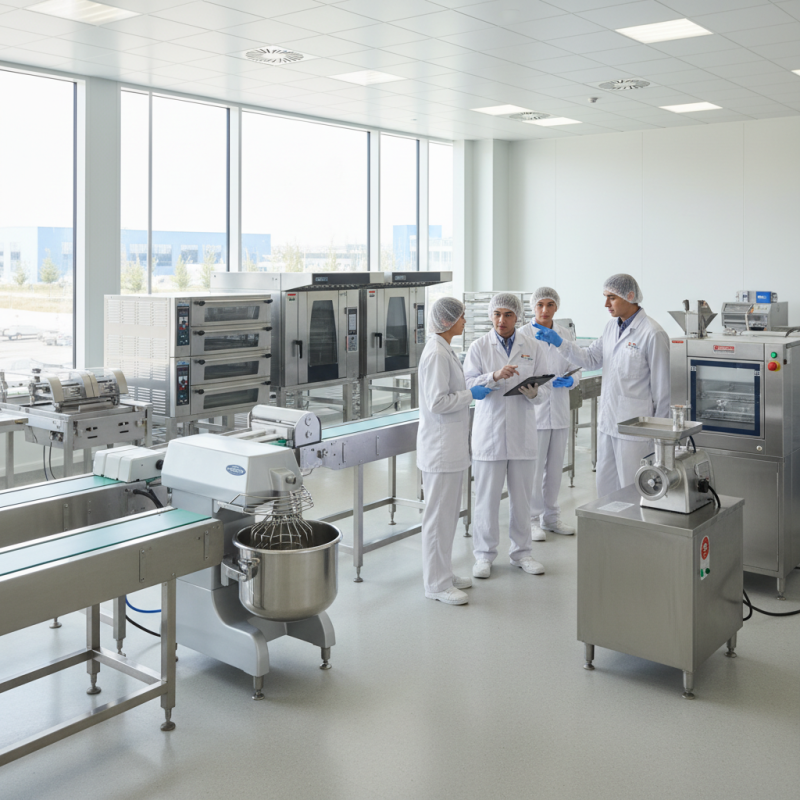
How to Choose Food Processing Equipment for Your Business?

Understanding Your Business Needs for Food Processing Equipment

When selecting food processing equipment, understanding your business needs is essential. A report from IBISWorld indicates that the food processing industry is expected to grow by 3.5% annually. This growth indicates evolving consumer demands and highlights the importance of investing in suitable equipment. It's crucial to identify the specific processes your business requires. Is it chopping, mixing, or packaging? Each type of equipment has its unique features and capacities. Analyzing your production capacity and scaling needs is vital for optimal efficiency.

The right equipment can significantly impact your production timelines. For instance, a food processing line can reduce processing time by up to 30%, improving your overall productivity. However, not all businesses realize their specific operational needs. Investing in machinery that is too large or too complex may lead to unnecessary maintenance costs. Creating a balance between needs and resources allows for better decision-making. Regular assessments of your operational workflows can reveal current bottlenecks that specific equipment could address.

Cost is another major factor. A survey from Food Processing Technology suggests that 57% of businesses face challenges in budgeting for equipment. The selection process requires a careful analysis of both upfront costs and long-term operation expenses. Understanding your business's growth trajectory can help you forecast equipment needs effectively. Often, businesses overlook the training needed for staff to adapt to new technology, which can stunt productivity improvements.

How to Choose Food Processing Equipment for Your Business?

Equipment Type Capacity (kg/h) Power Consumption (kW) Material Price Range ($)
Food Mixer 300 2.5 Stainless Steel 1500 - 2500
Packaging Machine 500 3.0 Plastic 2000 - 4000
Meat Slicer 100 1.5 Aluminum 800 - 1500
Vegetable Washer 600 4.0 Stainless Steel 1800 - 3000
Blender 200 1.0 Plastic & Stainless Steel 500 - 1000

Evaluating Types of Food Processing Equipment Available in the Market

When selecting food processing equipment, it’s essential to understand the variety available in the market. For instance, according to a recent industry report from Mordor Intelligence, the global food processing equipment market is expected to grow at a CAGR of 6.55% from 2020 to 2025. This growth indicates a diverse range of equipment designed for different processing needs, such as mixing, baking, and packaging.

Among the numerous types, some common categories include heat exchangers, mixers, and packaging machines. Heat exchangers are vital for thermally processing food while retaining flavors and nutrients. Mixers, on the other hand, come in various designs suited for liquids, solids, or both. Their versatility can lead to inefficiencies if the wrong type is chosen.

Investing in equipment that enhances production efficiency is crucial but can sometimes lead to over-engineering. A balance must be struck between capacity and the specific demands of the business. Choosing the right equipment requires careful consideration of both operational needs and scalability for future growth. Each piece of equipment must be evaluated not just for its price but also for its reliability and compatibility with your existing processes.

Key Features to Consider When Selecting Food Processing Equipment

Choosing the right food processing equipment is crucial for any business in the food industry. Several key features can significantly influence your decision. Start by evaluating the equipment's capacity. Will it meet your current and future production needs? Insufficient capacity can lead to bottlenecks and inefficiencies. Meanwhile, overestimating capacity might lead to unnecessary costs.

Next, think about energy efficiency. Equipment that consumes less power reduces operational costs over time. Look for features that indicate energy-saving capabilities. It’s also wise to consider versatility. Can the equipment handle various types of food products? Being adaptable is a significant advantage. Equipment that only serves one purpose may limit your business's growth.

Lastly, don't forget ease of maintenance. Equipment should be user-friendly and easy to clean. Complicated machinery can lead to prolonged downtime. Reflect on your team's skill sets. Regular training might be necessary if the equipment is too advanced. This adds another layer of investment. It's essential to balance quality, cost, and performance in your final choice.

Assessing Budget and Cost-Effectiveness for Equipment Purchase

When considering food processing equipment, it is crucial to assess your budget carefully. The initial cost is just one factor. Maintenance, energy consumption, and resale value are significant aspects that can affect long-term expenses. Investigating service agreements can also lead to unexpected savings over time. Look into financing options if upfront costs are prohibitive, as this can help spread out expenses.

Tips: Calculate your total cost of ownership for each piece of equipment. This includes installation, maintenance, and operational costs. Don't forget to factor in downtime costs, which can add up quickly if the equipment fails or requires repairs.

Not every shiny new machine is necessary. Sometimes, older models can be just as effective, especially for small businesses. Researching alternatives may reveal hidden gems. Always seek advice from industry experts or trusted peers. Real user experiences can provide valuable insights that statistics may miss. Gathering diverse opinions can help make a more informed decision.

Maintenance and Support Considerations for Food Processing Equipment

When selecting food processing equipment, maintenance and support should be a top priority. Reliable equipment is essential for operational efficiency. Regular maintenance ensures machines run smoothly, reducing downtime. Poor maintenance can lead to unexpected breakdowns, disrupting production.

Consider the availability of service support when choosing equipment. Local service technicians can provide timely repairs. A team that understands specific machinery will streamline any necessary fixes. Regular training for staff on maintenance practices is also vital. This can extend the life of your equipment.

Documentation is key. Keep track of maintenance logs and service histories. This practice identifies repeating issues and helps you plan for replacements. Reflect on your equipment’s performance; it’s not just about immediate needs. Think long-term. Proper care and support can significantly impact your business's success.

Equipment Maintenance and Support Considerations

This chart displays the importance levels of various maintenance and support considerations for food processing equipment. Regular preventive maintenance and access to technical support are crucial in ensuring operational efficiency and minimizing downtime.

FAQS

: What should I consider when selecting food processing equipment?

: Understand your business needs first. Identify processes like chopping, mixing, or packaging.

How can the right equipment impact my production?

Proper equipment can reduce processing time by up to 30%. This boosts overall productivity significantly.

What common challenges do businesses face in budgeting for equipment?

Many businesses struggle to balance upfront costs with long-term operational expenses.

What types of food processing equipment are commonly available?

Common types include heat exchangers, mixers, and packaging machines, each serving specific needs.

Why is energy efficiency important in food processing equipment?

Energy-efficient equipment reduces operational costs. It can lead to significant savings over time.

How does equipment capacity affect business operations?

Insufficient capacity can create bottlenecks. Overestimating capacity may result in unnecessary expenses.

What role does staff training play in equipment selection?

Staff need training for new technologies. Without it, productivity improvements may stall.

Is versatility important in food processing equipment?

Yes, versatile equipment can handle different products, allowing for greater business growth.

What should I think about regarding equipment maintenance?

Choose machinery that is easy to clean and maintain. Complicated equipment can lead to downtime.

How can regular assessments help with equipment decisions?

Assessing workflows can reveal bottlenecks and highlight specific equipment needs to improve efficiency.

Conclusion

When considering how to choose food processing equipment for your business, it's essential to first understand your specific needs. Evaluate the types of equipment available in the market, ensuring they align with the processes your business requires. Key features such as efficiency, durability, and ease of use should be prioritized in your selection process.

Additionally, assess your budget to ensure the equipment is cost-effective and fits within your financial constraints. Don't overlook the importance of maintenance and support options, as reliable service is vital for the longevity and performance of your food processing equipment. By carefully evaluating these aspects, you can make an informed decision that supports your business goals.

Mason

Mason

Mason is a seasoned marketing professional with a deep expertise in the company's offerings and a passion for driving brand awareness. With a strong background in digital marketing strategies, he has an innate ability to connect with diverse audiences and effectively communicate product benefits.......