Common Issues Faced with Bakery Machines in China

Time:2026-05-09 Author:Isabella
0%

Bakery machines are essential for efficient production in the food industry. In China, many bakeries rely heavily on these machines for their daily operations. However, issues often arise, creating challenges for business owners. So, what are common problems with bakery machines?

One prevalent issue is mechanical failure. Machines can malfunction due to wear and tear. Regular maintenance is crucial, yet many bakeries overlook it. This neglect can lead to costly downtime. Another common problem is improper calibration. If machines are not set correctly, it affects product quality. Variability in baking times can result in inconsistent goods, disappointing customers.

Operators often face difficulties with software integration. Outdated systems can hinder productivity. Training staff to use new technologies is a significant challenge. Additionally, issues with supply chains affect the availability of spare parts. These problems require bakeries to reflect on operational efficiency. By identifying and addressing these issues, businesses can improve their productivity and product quality.
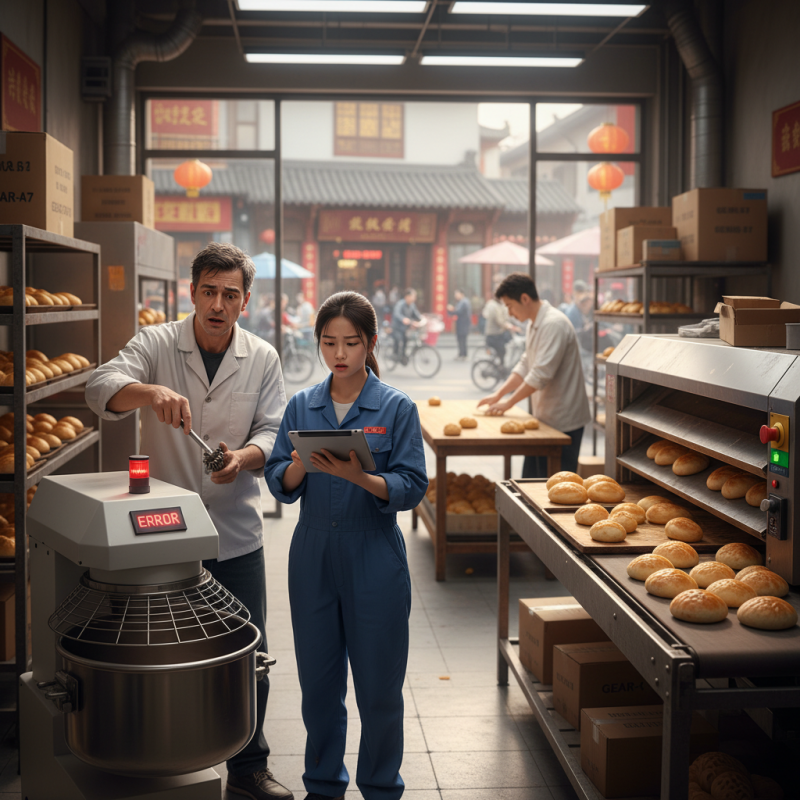
Common Issues Faced with Bakery Machines in China

Common Types of Bakery Machines Used in Chinese Bakeries

In Chinese bakeries, several types of machines are essential for efficient production. Commonly used bakery machines include dough mixers, ovens, and proofers. According to a report by the China Bakery Machinery Industry Association, the demand for these machines has surged by approximately 20% annually in recent years. This growth reflects the rising popularity of baked goods among consumers.

Dough mixers come in various sizes and capacities, catering to small artisan shops and large-scale factories. They ensure consistency in dough preparation, vital for quality products. Ovens are often equipped with advanced technology for precise temperature control. This feature improves baking times and enhances the final product's taste and texture. Proofers help control moisture and temperature during fermentation, crucial for achieving the perfect rise in bread.

**Tip:** Regular maintenance of these machines can prevent unexpected breakdowns. Inspecting the components and cleaning regularly can extend their lifespan.

Some issues arise with these machines. Improper calibration of ovens can lead to uneven baking, affecting product quality. Furthermore, the complexity of some equipment can overwhelm new bakers. Investing in training sessions can mitigate these issues. Understanding the machinery fully leads to improved efficiency and product consistency.

**Tip:** Consider user-friendly models if your bakery is just starting. Easier-to-use machines minimize learning curves.

Common Issues Faced with Bakery Machines in China - Common Types of Bakery Machines Used in Chinese Bakeries

Machine Type Common Issues Maintenance Tips
Dough Mixer Overheating, uneven mixing Regular lubrication and temperature checks
Oven Inconsistent temperature, uneven baking Calibration and regular cleaning
Bread Slicer Dull blades, jammed slices Blade sharpening and less feeding speed
Proofing Cabinet Humidity issues, temperature fluctuations Check seals and temperature settings regularly
Bread Heaters Inconsistent heating, safety hazards Routine inspections and ensuring venting

Frequent Mechanical Failures in Bakery Equipment

Frequent mechanical failures plague bakery equipment across China. Reports indicate that over 35% of bakery businesses experience equipment malfunctions regularly. These issues often lead to production delays and increased operational costs.

Common problems include issues with mixers, ovens, and proofers. For instance, faulty heating elements in ovens contribute to inconsistent baking results. Additionally, worn-out belts in dough mixers compromise efficiency, leading to unproductive hours. This inefficiency can significantly hurt a bakery's bottom line.

Another concerning statistic shows that 40% of bakery owners report a lack of access to prompt maintenance services. This exacerbates the problem. Without timely repairs, minor issues escalate into costly downtime. The industry also struggles with finding skilled technicians, adding to the mechanical failure crisis. This gap highlights a pressing need for improved training and reliable technical support to mitigate these frequent issues.

Common Issues Faced with Bakery Machines in China

Maintenance Challenges Faced by Bakery Machine Operators

Running a bakery in China involves numerous challenges. Among these, maintenance of bakery machines stands out. Many operators report difficulties in keeping machines in optimal condition. A recent survey by the China Food Industry Association revealed that over 40% of bakery businesses struggle with machine breakdowns due to inadequate maintenance practices.

Daily wear and tear on machines can lead to significant downtime. Many operators lack proper training in machine maintenance. This often results in undetected issues escalating into major problems. For instance, failure to lubricate moving parts can cause motors to overheat. Research indicates that poor maintenance can reduce a machine's lifespan by up to 30%.

Regular inspections are crucial but often overlooked. Many bakeries may not have a dedicated technician. In fact, a study published in the Journal of Food Engineering highlighted that only 25% of operators use a scheduled maintenance plan. This lack of foresight contributes to operational inefficiencies. Simple practices like cleaning and calibrating can prevent larger, costly repairs. Bakers need to reassess their maintenance strategies to avoid business disruptions and ensure smooth operations.

Technological Advancements in Bakery Machinery in China

Technological advancements in bakery machinery in China are reshaping the industry. The market for bakery machinery is expected to reach approximately $3 billion by 2026, driven by innovation. Automation plays a key role in enhancing efficiency. Machines now deliver consistent quality in product output, reducing human error significantly.

With the rise of smart technology, manufacturers are integrating IoT features into their machines. This connectivity allows for real-time monitoring and data analysis, leading to better decision-making. However, not all companies have embraced these changes equally. Many bakeries still rely on outdated equipment, which can lead to inefficiencies that waste resources and time.

Moreover, maintenance remains a crucial concern. While new machinery promises longevity and resilience, proper upkeep is essential. Reports indicate that up to 30% of bakery machine downtime is due to inadequate maintenance practices. As the industry evolves, the need for skilled technicians to handle advanced machinery is more pressing than ever. Continuous training is necessary, but many businesses struggle to provide it, creating a gap in expertise that could hinder progress.

Regulatory Compliance Issues for Bakery Machines in China

In China, regulatory compliance for bakery machines presents unique challenges. Manufacturers often struggle to meet local safety standards set by the National Food Safety Standard. According to a recent report by the China Food and Drug Administration, nearly 40% of bakery machines inspected failed to comply with safety requirements. This alarming statistic highlights a crucial area for improvement.

Moreover, outdated machinery often falls short of these regulations. Many small and medium-sized bakeries rely on aging equipment. This can lead to inconsistent product quality and potential health risks. Inspections reveal that machines lacking modern safety features are common. It reveals a pressing need for upgrades and better oversight.

Furthermore, the intricate web of regulations can be difficult to navigate. Local governments may impose additional requirements, making compliance even more complex. Bakeries often spend valuable resources trying to interpret regulations. This confusion can lead to costly penalties or operational setbacks. Addressing these issues is essential for the growth of the bakery industry in China.

FAQS

: What are common types of machines in Chinese bakeries?

: Dough mixers, ovens, and proofers are essential for efficient production in Chinese bakeries.

Why is regular maintenance important for bakery machines?

Regular maintenance prevents breakdowns and extends the lifespan of bakery machines, ensuring consistent production.

What happens if ovens are improperly calibrated?

Improper oven calibration leads to uneven baking, affecting quality and taste of baked goods.

How can new bakers manage complex machines?

Investing in training sessions helps new bakers understand machinery and improve efficiency and consistency.

What challenges do bakeries face regarding regulatory compliance?

Many bakeries struggle to meet local safety standards, with 40% of machines failing inspections.

Why is outdated machinery a concern for bakeries?

Aging equipment can cause inconsistent quality and potential health risks in baked goods.

What can bakeries do to understand regulations better?

Seeking guidance on local regulations can help bakeries avoid penalties and operational setbacks.

How can user-friendly machines benefit new bakeries?

User-friendly machines reduce learning curves, making it easier for beginners to operate efficiently.

What risks come from relying on old bakery equipment?

Relying on outdated machines can lead to non-compliance with safety requirements and inconsistent product quality.

What is essential for the bakery industry’s growth in China?

Addressing regulatory compliance and upgrading machinery is crucial for the bakery industry’s growth in China.

Conclusion

In examining the landscape of bakery machinery in China, several common issues arise that operators must contend with. What are common problems with bakery machines include frequent mechanical failures, such as motor malfunctions and belt wear, which can disrupt production efficiency. Additionally, maintenance challenges often stem from the complexity of the machinery, requiring trained personnel to perform regular upkeep.

Technological advancements are shaping the future of bakery machinery, offering innovative solutions to improve reliability and efficiency. However, operators must also navigate regulatory compliance issues, ensuring that their equipment meets health and safety standards. Addressing these challenges is vital for bakery operators to maintain productivity and meet consumer demands in a competitive market.

Isabella

Isabella

Isabella is a dedicated marketing professional with a sharp focus on driving brand growth and engagement through strategic content creation. With an extensive background in digital marketing, she combines her passion for storytelling with her keen understanding of industry trends to deliver......