What Makes Commercial Kitchen Equipment Durable in 2026?

Time:2026-05-01 Author:Isabella
0%

In 2026, understanding "what makes commercial kitchen equipment durable" is crucial for restaurateurs. As the food service industry evolves, so do the demands on kitchen tools. Quality materials play a significant role, but it’s not the only factor.

User preferences change rapidly, and equipment must adapt. Technology advancements improve efficiency but can impact durability. Users might find themselves torn between cutting-edge gadgets and traditional tools. Each decision carries weight, influencing both performance and longevity.

Cost often drives choices, leading to compromises on durability. Investing in sturdy designs may seem daunting at first, yet the long-term benefits are undeniable. Those seeking reliability must weigh their options carefully. Emphasizing durability isn’t a mere trend; it is a necessity in fostering a sustainable kitchen environment. Balancing innovation and resilience remains a thought-provoking challenge for many operators.
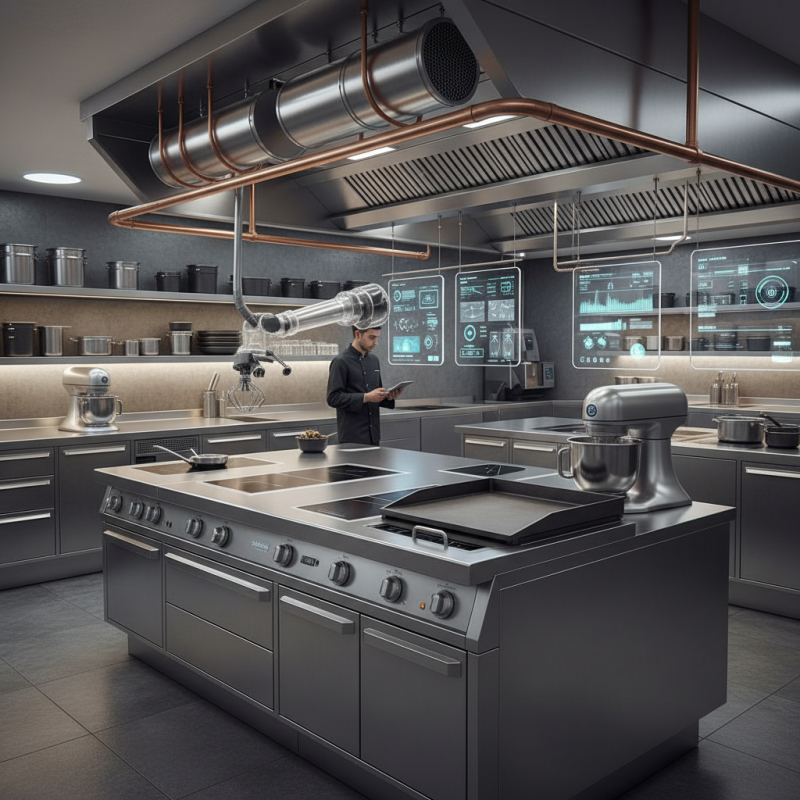
What Makes Commercial Kitchen Equipment Durable in 2026?

Key Materials Contributing to Durability in Kitchen Equipment

Durability in commercial kitchen equipment largely depends on the materials used. One key material is stainless steel. It's known for its resistance to corrosion and stains. This makes it an ideal choice for kitchen surfaces and appliances. Stainless steel can withstand heavy use and frequent cleaning. However, not all stainless steel is created equal. Lower quality grades may not offer the same longevity.

Aluminum is another vital material. It’s lightweight and offers excellent thermal conductivity. This makes it popular for cookware and pans. However, aluminum can be prone to scratching. Chefs should consider using anodized aluminum for added strength. It provides a harder surface and reduces wear over time.

Lastly, advanced composite materials are emerging. These materials combine strength with reduced weight. They can endure extreme temperatures and harsh conditions. Still, their long-term performance remains an area for further exploration. Innovations in material science continue to evolve, making it an exciting field to watch.

Technological Innovations Enhancing the Longevity of Commercial Appliances

In 2026, commercial kitchen equipment durability is significantly boosted by technological innovations. Smart sensors are now integrated into appliances. These sensors monitor performance and alert users to maintenance needs. According to a 2023 industry report, proper monitoring can reduce unexpected breakdowns by up to 30%. This is crucial for busy kitchens where time is of the essence.

Moreover, advancements in materials are vital. High-grade stainless steel and ceramics enhance resistance to wear and tear. A study from the National Restaurant Association noted that kitchens using these materials saw an increase in equipment lifespan by 20%. However, not all innovations hold up. Some materials may not perform well in high-stress environments, leading to premature failures.

**Tip:** Regularly inspect appliances for early signs of wear. This can extend the life of your equipment significantly.

**Tip:** Invest in training for staff. Proper usage of machines can prevent unnecessary damage. They should know how to handle equipment carefully.

In conclusion, commercial kitchen equipment durability in 2026 relies on constant technological upgrades and material quality. Regular evaluations of these innovations are necessary to ensure lasting performance.

Design Features That Promote Resilience in Kitchen Equipment

In 2026, the durability of commercial kitchen equipment focuses on innovative design features. Materials play a crucial role. Stainless steel remains popular for its resistance to corrosion and wear. Many manufacturers are now exploring advanced composites that offer lightweight yet sturdy alternatives. These materials can withstand heavy usage and are often easier to clean.

Another essential design feature is modularity. Equipment that can be easily disassembled allows for repairs and upgrades without the need for full replacements. Some kitchens have embraced this approach, reducing downtime and maintenance costs. Ergonomics also matter. Equipment designed with user comfort in mind can prevent injuries and enhance workflow.

Lastly, the concept of sustainability cannot be overlooked. Equipment designed for energy efficiency promotes long-term savings while minimizing environmental impact. This notion challenges traditional practices. It also requires a shift in thinking from simply purchasing to investing in long-lasting solutions. Balancing resilience with functionality remains a continuous journey for designers and operators alike.

What Makes Commercial Kitchen Equipment Durable in 2026? - Design Features That Promote Resilience in Kitchen Equipment

Feature Description Durability Rating (1-10) Common Materials
Stainless Steel Construction Resistant to rust and corrosion, ensuring long-lasting use. 9 304, 316 Grades
Impact-Resistant Glass Designed to withstand rough handling and impacts. 8 Tempered Glass
Heavy-Duty Components Built with robust parts to handle daily stress and high usage. 10 Aluminum, High-Grade Plastics
Sealed Controls Protected against spills and contaminants for longer functionality. 8 Sealed Rubber, Synthetic Enclosures
Modular Design Allows for easy repair and upgrade without full replacement. 7 Various Metals and Plastics

Maintenance Practices That Extend the Life of Commercial Kitchens

In 2026, the durability of commercial kitchen equipment hinges greatly on proper maintenance practices. Regular cleaning, inspection, and timely repairs can prevent small issues from escalating. Industry reports indicate that kitchens adhering to a routine maintenance schedule can extend equipment life by up to 20%. Investing in preventive measures can significantly reduce the frequency of costly replacements.

Tips: Implement a daily cleaning checklist. This ensures all surfaces are sanitized. Use appropriate cleaning agents for metal and non-metal parts. Regularly check for wear and tear. Create a quarterly inspection schedule for high-usage equipment. It’s easy to overlook small damages, but addressing them promptly can save time and money.

Employee training is equally critical. Skilled staff can identify minor issues before they develop. Observing operating protocols can minimize unnecessary strain on equipment. Data suggests that improperly trained staff can contribute to 30% of equipment malfunctions. Investing in training safeguards your equipment. Small adjustments can lead to big savings. Well-maintained kitchens are not just efficient; they also foster a safe working environment.

Environmental Considerations in the Durability of Kitchen Equipment

The durability of commercial kitchen equipment in 2026 is increasingly influenced by environmental considerations. Businesses are under pressure to adopt sustainable practices. According to a recent industry report, 75% of food service operators prioritize eco-friendly materials. This shift impacts purchasing decisions.

Food equipment made from recycled stainless steel offers durability and reduces the carbon footprint. A study showed that equipment with high recycling content can minimize energy consumption by up to 30%. However, challenges exist. Not all manufacturers provide transparent data on resource sourcing.

Additionally, equipment designed for energy efficiency often comes at a higher initial cost. This can deter small businesses. Rethinking budgets to accommodate durable options is essential. Understanding the long-term savings through reduced waste and energy is key. Eco-friendly does not always mean affordable.

Decision-makers face a complex landscape. Balancing durability and environmental impact requires careful evaluation. Investigating available materials and their lifecycle is crucial. Moreover, organizations must stay informed about evolving regulations. This knowledge fosters responsible investment in kitchen equipment.

FAQS

: What materials enhance the durability of kitchen equipment?

: Key materials include stainless steel, aluminum, and advanced composites. They offer resistance and strength.

Why is stainless steel a popular choice?

Stainless steel resists corrosion and stains. It's ideal for heavy use and frequent cleaning.

Are all stainless steel grades the same?

No, lower quality grades may lack longevity compared to higher quality options.

What advantages does aluminum provide?

Aluminum is lightweight with excellent thermal conductivity. It is commonly used for cookware.

What are the downsides of using aluminum?

Aluminum can scratch easily. Anodized aluminum can offer better durability.

How do innovative design features promote resilience?

Features like modularity enable easier repairs. This reduces maintenance costs and downtime.

Why is ergonomics important in kitchen design?

Ergonomics can prevent injuries and improve workflow. Comfort plays a big role in efficiency.

How does sustainability tie into kitchen equipment design?

Sustainable designs focus on energy efficiency. They promote long-term savings and environmental responsibility.

What are advanced composite materials?

These materials combine strength and lightweight properties. Their long-term performance is still under study.

Why is a shift in thinking necessary for kitchen equipment purchases?

Investing in durable solutions over cheap replacements leads to better long-term benefits.

Conclusion

In 2026, understanding what makes commercial kitchen equipment durable is crucial for businesses seeking longevity and efficiency in their operations. Key materials like stainless steel and high-grade plastics are essential, as they resist wear and corrosion. Technological innovations, such as energy-efficient motors and smart temperature controls, also play a significant role in enhancing the lifespan of these appliances.

Additionally, design features that promote resilience—such as reinforced structures and user-friendly interfaces—can substantially reduce wear and tear. Proper maintenance practices, including regular inspections and timely repairs, are vital in extending the life of commercial kitchens. Finally, considering environmental factors, such as sustainability and energy use, ensures that the equipment not only lasts longer but also contributes positively to eco-friendly initiatives. Together, these elements create a comprehensive framework for understanding durability in commercial kitchen equipment.

Isabella

Isabella

Isabella is a dedicated marketing professional with a sharp focus on driving brand growth and engagement through strategic content creation. With an extensive background in digital marketing, she combines her passion for storytelling with her keen understanding of industry trends to deliver......