How to Maintain Commercial Kitchen Appliances Effectively?

Time:2026-05-07 Author:Sienna
0%

Maintaining commercial kitchen appliances is essential for optimal operation and longevity. This process is not as simple as it seems. Many kitchen managers overlook the importance of regular maintenance. Neglect can lead to costly repairs and downtime. Understanding how to maintain commercial kitchen appliances ensures they perform efficiently.

A well-maintained appliance saves energy and enhances food safety. Regular checks prevent breakdowns that can halt kitchen operations. Simple tasks like cleaning filters and checking seals can make a difference. However, not all kitchen staff are aware of these tasks. Mistakes can occur, leading to serious issues, such as equipment failure during peak hours.

Training staff on proper maintenance can create a culture of care. It is crucial to refer to manufacturer guidelines for specific needs. Each appliance has unique requirements that need attention. By prioritizing maintenance, establishments can provide better service and reduce costs. Keeping this in mind is vital for success in a busy kitchen environment.
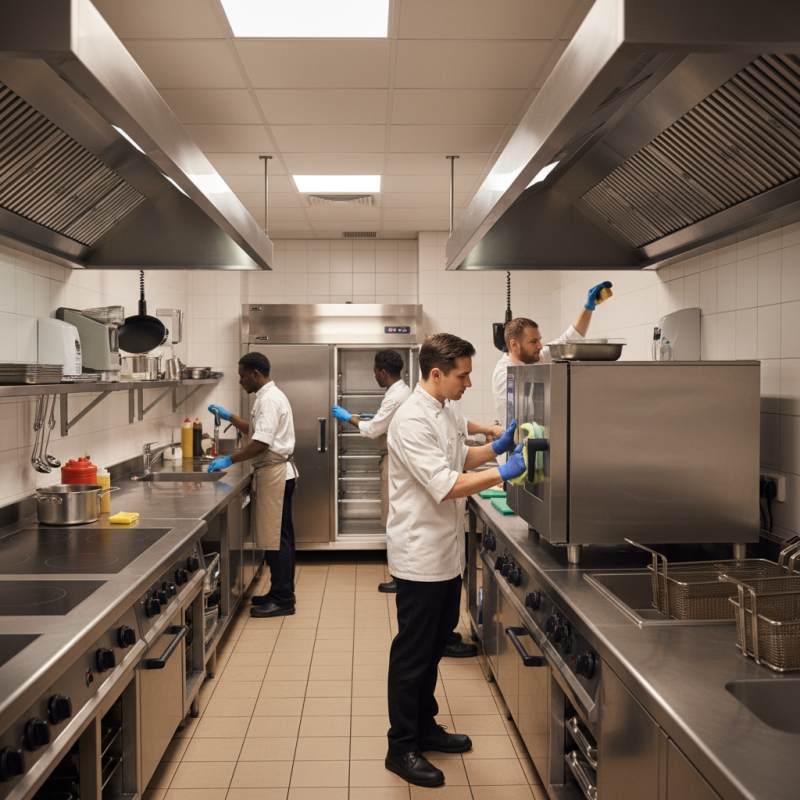
How to Maintain Commercial Kitchen Appliances Effectively?

Best Practices for Regular Inspection of Commercial Kitchen Appliances

Regular inspection of commercial kitchen appliances is crucial. According to the Food and Drug Administration (FDA), unscheduled maintenance can lead to up to 40% of equipment failures. This highlights the importance of a structured inspection routine. Utilize a checklist for each appliance, which keeps track of wear and tear. Look for signs like rust, leaks, or unusual noises.

daily checks can prevent major issues. For instance, ensuring that temperature controls are functioning can avert food spoilage. Additionally, reports indicate that kitchens with well-maintained appliances experience 25% less downtime. It’s critical to establish a maintenance schedule based on usage patterns. For high-use items, weekly inspections may be necessary, whereas others might require a monthly review.

Involving staff in inspections can foster a culture of responsibility. Encourage them to report problems immediately. This approach not only enhances equipment longevity but also promotes teamwork. Remember, each appliance impacts workflow. A malfunctioning oven can delay service, affecting customer satisfaction. Create a feedback loop to continually improve the inspection process. It's vital to adapt and refine this system based on experiences and outcomes.

Understanding the Importance of Cleaning and Sanitization Procedures

Maintaining a clean commercial kitchen is vital for both efficiency and health. Proper cleaning and sanitization procedures help prevent foodborne illnesses. Over time, buildup from grease and food particles can compromise your appliances. Regular cleaning keeps equipment running smoothly and extends its lifespan.

Tips: Create a daily cleaning schedule. Allocate specific times for thorough cleaning. Ensure every team member knows their responsibilities. Consider visual checklists for adherence to procedures.

In busy kitchens, it’s easy to overlook small details. For instance, food debris can accumulate in hard-to-reach areas. Ignoring this can attract pests. Remember that regular inspections can catch issues early. It's important to reflect on practices and continually improve cleaning methods.

Tips: Use the right tools for different tasks. Microfiber cloths are effective for surfaces. Sanitation solution should be appropriate for the type of appliance. Always test new products in a small area first. Maintaining equipment cleanliness directly influences your kitchen's performance and safety standards.

Commercial Kitchen Appliances Maintenance - Cleaning Frequency

Implementing a Routine Maintenance Schedule for Longevity

Implementing a routine maintenance schedule for commercial kitchen appliances is crucial. Regular check-ups help prevent unexpected breakdowns. Trained staff should conduct inspections daily and weekly. A simple checklist can guide this process. Items to check include hoses, seals, and electrical connections. Neglecting these components can lead to costly repairs.

Scheduling maintenance tasks on a monthly and quarterly basis is equally important. This might involve deep cleaning or professional servicing. For instance, grease buildup can affect the efficiency of ovens. Regular assessment ensures these appliances run smoothly. Each appliance has guideline recommendations for maintenance frequency. Adhering to these can extend their lifespan.

Reflection on past experiences is necessary for improvement. Have you observed issues that recurred despite maintenance? Identifying these can lead to better practices. Collect feedback from kitchen staff about appliance performance. This insight is valuable for making informed decisions. It's not just about fixing problems; it's about preventing them before they arise.

Identifying Common Issues and Troubleshooting Techniques

In commercial kitchens, maintaining appliances is crucial for smooth operations. Over 60% of kitchen downtime stems from equipment failure, according to industry reports. Regular checks can identify common issues like worn-out seals and clogged filters. These problems often escalate if ignored, leading to costly repairs.

Troubleshooting techniques can save time and money. For instance, a gas stove that won't ignite may simply need a thorough cleaning of the burners. This quick fix can highlight the importance of routine maintenance.

Educating staff on identifying unusual noises or smells can prevent larger issues down the line. Data shows that 85% of commercial kitchens do not invest adequately in preventative maintenance programs. Many owners underestimate the impact of regular upkeep. This negligence can lead to critical failures during peak hours, causing disruptions that affect customer satisfaction. Proactive measures can help in maintaining a reliable kitchen environment.

The Role of Professional Servicing in Appliance Efficiency and Safety

Maintaining commercial kitchen appliances effectively is crucial for ensuring efficiency and safety. Professional servicing plays a vital role in this area. Regularly scheduled maintenance can prevent unexpected breakdowns and extend the lifespan of your equipment. Skilled technicians know how to identify issues before they escalate, enhancing performance and safety. This is where expertise comes into play.

Here are some tips for effective maintenance. Schedule routine checks every few months. This helps in catching wear and tear early. Keep a log of all maintenance dates and issues. Such documentation creates accountability and insight into appliance performance.

Additionally, invest in professional servicing at least once a year. Trained professionals can thoroughly inspect appliances, ensuring they comply with safety standards. They can spot potential hazards, like gas leaks. Regular professional assessments can improve energy efficiency too. This not only saves costs but also promotes a safer kitchen environment for staff. Remember, neglecting maintenance can lead to costly repairs and safety risks.

FAQS

: Why is cleaning important in a commercial kitchen?

: Cleaning prevents foodborne illnesses and keeps equipment running smoothly.

How can I create an effective cleaning schedule?

Allocate specific times for cleaning. Ensure everyone knows their roles.

What are common issues with kitchen equipment?

Worn seals and clogged filters are frequent problems that need attention.

How can I troubleshoot a gas stove that won’t ignite?

Clean the burners thoroughly. This small fix could save time.

What tools should I use for cleaning surfaces?

Use microfiber cloths for effective cleaning. Choose suitable sanitizing solutions.

How can routine checks help kitchen operations?

Regular inspections can catch minor issues early, preventing larger problems.

What happens if I neglect maintenance?

Ignoring upkeep can lead to costly repairs and downtime during busy hours.

How can staff prevent equipment failures?

Educate them to notice unusual noises or smells. This can protect the kitchen.

Why do many kitchens fail to invest in maintenance?

Many underestimate the impact of regular upkeep. This can be a serious mistake.

How can I improve cleaning methods over time?

Reflect on practices regularly and adapt to new challenges in the kitchen.

Conclusion

Maintaining commercial kitchen appliances is crucial for ensuring efficiency and safety in a food service environment. Understanding how to maintain commercial kitchen appliances begins with regular inspections to identify potential problems before they escalate. Best practices involve a thorough cleaning and sanitization routine, which not only keeps appliances in top condition but also adheres to health regulations.

Implementing a consistent maintenance schedule extends the lifespan of equipment, while being aware of common issues allows for effective troubleshooting techniques. Additionally, professional servicing plays a vital role in optimizing appliance performance and ensuring compliance with safety standards. By following these guidelines, kitchen operators can significantly enhance operational efficiency and prolong the durability of their appliances.

Sienna

Sienna

Sienna is a skilled marketing professional with a deep expertise in our company’s core products and services. With a passion for innovation and detail, she plays a pivotal role in crafting insightful blog posts that not only highlight the unique features of our offerings but also provide valuable......