Top 5 Factors Affecting Food Processing Quality?

Time:2026-05-19 Author:Charlotte
0%

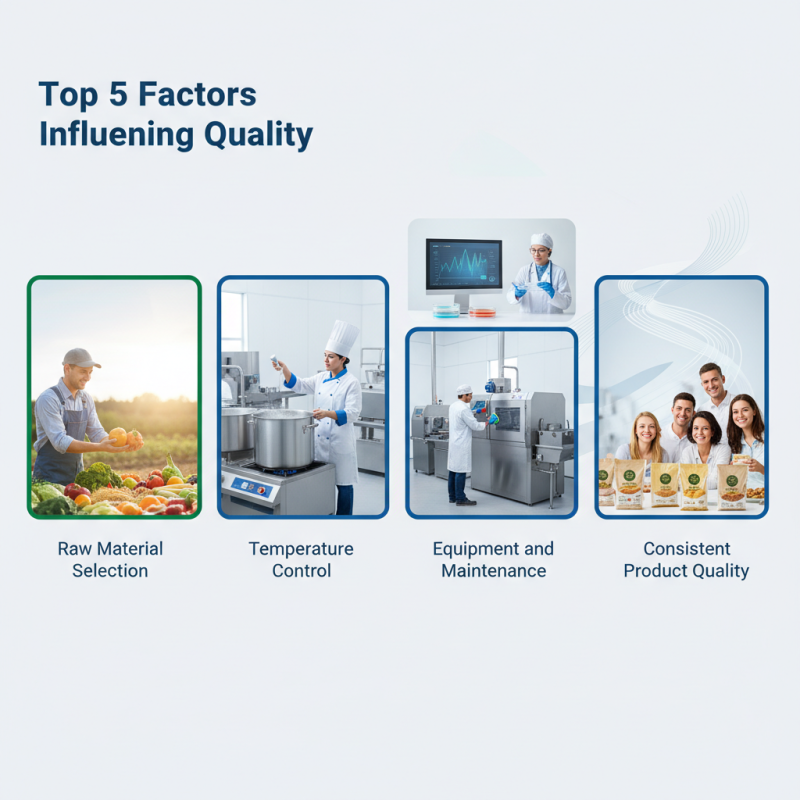
When considering what factors affect food processing quality, it is essential to understand the complexity of this industry. Various elements play a crucial role in determining the final product's quality. This includes everything from raw material selection to processing techniques. Each stage of production can introduce changes that either enhance or diminish quality.

Maintaining high food processing quality is not just about following standards. It requires a deep understanding of specific influences. For instance, temperature control during processing is critical. An improper temperature can lead to spoilage or alteration of flavor. Similarly, the equipment used can significantly impact product consistency.

However, it's important to recognize that not all aspects are under control. Variations in ingredient quality can lead to unpredictable outcomes. This inconsistency often calls for ongoing reflection and adjustment. Understanding and addressing these factors can elevate food processing quality, leading to better products.
Top 5 Factors Affecting Food Processing Quality?

Factors Influencing Raw Material Selection in Food Processing

The selection of raw materials is crucial in food processing. Freshness and quality directly impact the final product's taste and safety. Inspecting ingredients is necessary for ensuring quality. Suppliers must be reliable, as they influence both flavor and nutritional value. Not all suppliers meet the same standards, which leads to varying product quality.


Sustainability is becoming a key factor. Many processors now favor local sourcing. This not only reduces carbon footprints but also supports local economies. However, local availability can sometimes pose challenges. Seasonal variations may limit options, affecting production schedules. Research is essential in addressing these potential shortcomings.


Nutritional content is another critical aspect. Processors often consider how different materials interact during processing. Some ingredients may lose their nutritional value when exposed to heat or pressure. This raises questions about balancing taste and health. Improvements in processing techniques may be needed to enhance retention of beneficial nutrients while ensuring food safety.

The Role of Temperature Control in Maintaining Food Quality

Temperature control plays a pivotal role in food processing quality. Precise management of temperatures during processing helps preserve the nutritional value. Studies reveal that 40% of food quality deterioration occurs due to poor thermal management. For instance, improper cooking temperatures can lead to the loss of essential vitamins, like Vitamin C, known to degrade rapidly under heat.

Moreover, temperature fluctuations can foster microbial growth, jeopardizing food safety. The USDA reports that holding food between 40°F and 140°F significantly increases the risk of foodborne illnesses. Consistency in temperature helps maintain texture and flavor. Searing meat at the right temperature seals in juices, delivering a superior eating experience.

However, challenges remain in achieving ideal temperature control continuously. Many facilities struggle with equipment malfunctions and human error. This inconsistency can lead to waste and economic loss. Understanding these challenges is crucial for industry improvement. The food processing sector must prioritize reliable temperature monitoring systems to enhance overall food quality and safety.

Impact of Processing Techniques on Nutrient Retention

Processing techniques play a crucial role in nutrient retention during food processing. High temperatures can significantly degrade vitamins and minerals. For instance, boiling vegetables may cause a loss of water-soluble nutrients. This impact is often overlooked. People may assume cooking enhances overall nutrition, but it can lead to nutrient depletion.

Different methods have varying effects. For example, steaming retains more nutrients compared to boiling. This loss happens due to the leaching of vitamins into the water. Quick cooking methods tend to preserve more nutrients. On the other hand, prolonged heat exposure can harm essential compounds, highlighting a delicate balance in processing.

Food manufacturers must consider their processing choices carefully. It is essential for quality control. Inadequate processing can lead to poor nutrient profiles. They need to stay informed about optimal techniques. This awareness can help maintain food quality and nutritional value. Reflecting on choices may lead to better practices in the industry.

Top 5 Factors Affecting Food Processing Quality - Impact of Processing Techniques on Nutrient Retention

Factor Description Impact on Nutrient Retention
Temperature The heat level applied during processing. High temperatures can degrade sensitive nutrients like vitamins.
Duration Time period food is subjected to processing. Extended exposure can lead to greater nutrient loss.
Processing Method Techniques such as blanching, frying, or steaming. Some methods preserve nutrients better than others.
Oxygen Exposure The amount of air in contact with food during processing. Excessive oxygen can lead to oxidation of sensitive compounds.
Food Matrix The structural and compositional organization of food. A complex matrix may help retain nutrients during processing.

Importance of Hygiene Practices in Food Processing Environments

Hygiene practices play a crucial role in food processing environments. Poor hygiene can lead to contamination, affecting product safety and quality. Often, workers underestimate the importance of proper handwashing and sanitization. Regular training and reminders can help reinforce these practices.

Surfaces and equipment must be cleaned frequently. Residue can harbor bacteria, impacting the final product. Inspecting equipment regularly enables timely maintenance and reduces risks. Many facilities overlook deep cleaning, believing routine maintenance is sufficient. This mindset can lead to significant issues later.

Even minor lapses can have serious consequences. Unnoticed spills may attract pests, further complicating hygiene efforts. Checklists can help employees adhere to protocols consistently. Emphasizing accountability in hygiene practices fosters a culture of safety. Through vigilance and commitment, food quality can significantly improve.

Quality Assurance Measures and Their Effect on Food Processing Standards

Quality assurance is key in food processing. It directly affects product standards and safety. Implementing effective measures can improve the end product. Regular inspections and testing can identify potential problems. This proactive approach helps ensure consistency and quality.

One important tip is to document every step of the processing. This creates a reliable record for future reference. Traceability can be a game changer in troubleshooting issues. Training staff on quality standards is essential as well. Knowledgeable employees are crucial for maintaining high quality.

Another recommendation is to stay updated with industry standards. Compliance with regulations can prevent legal troubles. It's also wise to learn from mistakes. Reflecting on past issues can lead to better practices. Make adjustments based on consumer feedback to enhance quality. Avoiding repetition of errors builds credibility.

Top 5 Factors Affecting Food Processing Quality

This chart illustrates the impact of various factors on food processing quality, showcasing the importance of quality assurance measures.

FAQS

: What impact do processing techniques have on nutrient retention?

: Processing techniques can greatly affect how well nutrients are preserved in food. High temperatures often degrade vitamins and minerals.

Is boiling vegetables a good way to retain nutrients?

No, boiling may cause a loss of water-soluble nutrients. Steaming is a better method as it retains more nutrients.

How do quick cooking methods affect nutrients?

Quick cooking methods tend to preserve more nutrients. They reduce prolonged heat exposure that can harm essential compounds.

Why is quality assurance important in food processing?

Quality assurance ensures product standards and safety. It helps improve products and maintain consistency in quality.

What is one essential practice for maintaining food quality?

Documenting every step of the processing is crucial. This creates a reliable record for future reference and troubleshooting.

How can staff training improve food processing quality?

Training staff on quality standards helps maintain high quality. Knowledgeable employees are key to a successful process.

Why should food manufacturers stay updated with industry standards?

Staying updated can prevent legal issues and improve practices. Compliance ensures that products meet safety and quality expectations.

How can consumer feedback influence food processing?

Consumer feedback provides insights for improvements. Making adjustments based on this feedback enhances overall quality.

What can happen with inadequate processing?

Inadequate processing can lead to poor nutrient profiles. Reflecting on past mistakes may help achieve better outcomes.

How does traceability help in food processing?

Traceability allows for easy identification of processing issues. It serves as a reliable tool for future reference and quality assurance.

Conclusion

When considering what factors affect food processing quality, several key elements come into play. First, the selection of raw materials is crucial, as the quality and freshness of ingredients directly influence the end product. Additionally, temperature control plays a significant role in preserving food quality, ensuring that products maintain their desired texture and flavor during processing.

Moreover, the processing techniques employed can greatly impact nutrient retention, meaning that improper methods may lead to significant losses in essential vitamins and minerals. Hygiene practices within food processing environments are indispensable for preventing contamination and ensuring safety. Finally, the implementation of robust quality assurance measures is vital, as these standards help maintain consistency and uphold food safety throughout the processing chain. Together, these factors create a comprehensive framework for understanding food processing quality.

Charlotte

Charlotte

Charlotte is a seasoned marketing professional with a deep understanding of the company's portfolio and a passion for elevating its presence in the market. With a keen eye for detail and a commitment to excellence, she ensures that our professional blog is regularly updated with insightful articles......