Understanding food machine pricing is crucial for global buyers. Buyers often seek to find the best deal while ensuring quality. However, many struggle to grasp what factors determine food machine pricing. This knowledge gap can lead to missed opportunities and costly mistakes.
Various elements influence food machine costs. These include manufacturing processes, material quality, and technological advancements. Buyers also consider brand reputation, which adds another layer of complexity. The global market dynamics, such as supply chain fluctuations and demand trends, play significant roles as well.
Additionally, regional variations can impact pricing strategies. Factors like local labor costs and regulations must be accounted for. However, navigating these complexities can be daunting. Buyers must constantly adapt and reevaluate their strategies. This ongoing process highlights the importance of staying informed to make the right purchasing decisions.
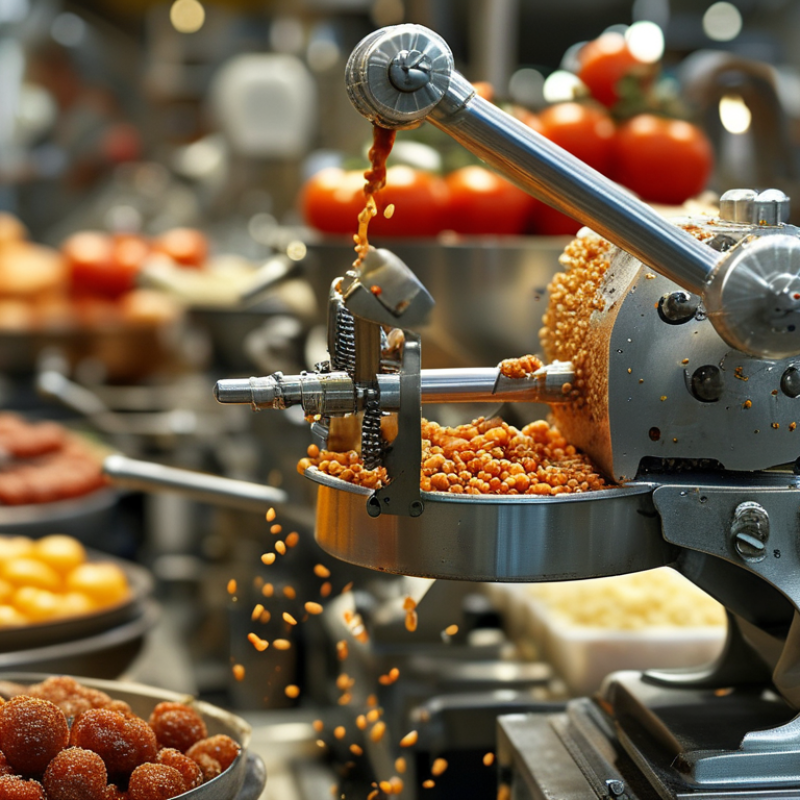
Several factors impact the manufacturing costs of food machines in global markets.
Material quality is crucial.
High-grade materials ensure durability but raise costs. Cheaper alternatives can reduce expenses but might compromise performance.
The choice of raw materials directly affects overall pricing.
Labor costs vary significantly across regions.
In countries with lower wages, production costs decrease.
However, this can lead to variations in craftsmanship.
Skilled labor often results in higher-quality machines, justifying a premium price.
Yet, sourcing labor from various regions can raise logistical complexities.
Another influential factor is production scale.
Large-scale manufacturing often reduces per-unit costs due to economies of scale.
However, niche markets may require customized solutions, which typically come with higher price tags.
Balancing these elements is challenging. Companies must reflect on their strategies to optimize costs while maintaining quality.
Material quality plays a crucial role in determining food machine pricing. Buyers often overlook this factor when making purchasing decisions. High-quality materials lead to better durability and efficiency. Machines made with superior components tend to have longer lifespans and require less maintenance. This directly affects operational costs.
However, not all high-quality materials are equal. Some may prioritize performance while others focus on cost-effectiveness. For instance, stainless steel offers excellent corrosion resistance but can be pricier than other options. It's vital for buyers to assess their specific needs and production requirements. The right material choice impacts not just pricing, but also the machine's overall performance.
Considering the balance between quality and cost can be challenging. While buyers may resist higher prices due to budget constraints, investing in better materials can yield long-term benefits. A short-sighted approach may lead to repeated failures and increased expenses. Evaluating the trade-offs between initial costs and potential savings is essential for informed decision-making.
Technology and automation play a vital role in shaping the pricing of food machines for global buyers. The rise of intelligent systems can significantly reduce labor costs, enhancing efficiency in food production. Automated machines can operate continuously, minimizing downtime and maximizing throughput. This transition is not just about replacing manual labor; it’s about rethinking how food is processed and packaged.
However, the integration of advanced technology doesn’t come without challenges. Initial investment costs for high-tech machinery can be steep. Buyers must weigh immediate expenses against long-term savings. It’s important to evaluate whether the benefits of automation will justify the upfront cost. Researching various technologies, their scalability, and potential ROI will be essential.
Tips: When considering food machines, think about your production needs. A machine suited for small batches may not be efficient for large operations. Also, evaluate maintenance costs, as high-tech gear may require specialized service. It’s wise to seek insights from industry experts to ensure informed decisions.
The pricing of food machinery is intricately linked to supply chain dynamics. Fluctuations in raw material costs directly impact the overall pricing. For example, a recent industry analysis revealed that stainless steel prices surged by 30% over the last year. Such changes can lead manufacturers to adjust their pricing strategies.
Another critical factor is transportation costs. As fuel prices rise, shipping machinery from manufacturers to global buyers becomes more expensive. Reports indicate that freight costs have increased by 20% in many regions. This contributes to higher end-user prices, creating challenges for both buyers and sellers.
Furthermore, global disruptions, such as pandemics or geopolitical tensions, can cause delays. These delays disrupt supply chains and create uncertainty. Companies may feel pressured to increase prices in response to these challenges, making it harder for buyers to predict costs. The complexities of the supply chain must be understood to navigate food machinery pricing effectively.
Understanding the pricing of food machines requires a close look at regional variances. Different global markets exhibit unique demand and supply dynamics. For instance, according to a recent report by Fortune Business Insights, the North American market experiences a high pricing tier due to advanced technology adoption. This region often anticipates prices to be 15-20% higher than in developing areas.
In contrast, the Asia-Pacific region showcases a diverse pricing structure. Certain countries have lower labor costs and favorable regulations, leading to more competitive pricing. A study by MarketsandMarkets highlights that Southeast Asia could offer machines priced 30% lower than those in Western markets. However, this creates challenges. Lower prices may raise concerns about quality and reliability.
Cultural preferences also affect pricing. For example, equipment tailored for specific cuisines may see a price increase due to localization. Additionally, economic fluctuations can impact purchasing power across regions. Buyers often find it challenging to balance cost and value. It’s crucial for sellers to communicate the benefits of their machines effectively. Adapting to each market's unique characteristics is vital for success in the global food machine landscape.
: Technology reduces labor costs and enhances efficiency in food production. Automated machines can run continuously, increasing throughput.
Initial investment costs can be high. Buyers must consider if the long-term savings justify the upfront expense.
Research helps evaluate technology options, scalability, and potential returns on investment. Understanding these factors leads to informed decisions.
Fluctuations in raw material and transportation costs directly impact pricing. Increased fuel prices lead to higher shipping costs.
Global events like pandemics and geopolitical tensions can cause supply chain delays. These disruptions lead to uncertainty in pricing.
Different markets have unique demand and supply dynamics. North American prices tend to be higher than those in developing regions.
Lower labor costs and favorable regulations create competitive pricing. However, concerns about quality and reliability may arise with lower prices.
Equipment designed for specific cuisines can see price increases due to localization. Culture plays a key role in demand.
Buyers need to navigate between lower prices and quality. Finding the right balance is often challenging yet crucial.
Sellers must adapt their messaging to highlight advantages tailored to each market's unique characteristics for better engagement.
The article titled "What Factors Determine Food Machine Pricing for Global Buyers?" explores various elements that significantly influence the pricing of food machinery in international markets. It emphasizes the impact of manufacturing costs, which can vary widely based on labor, production processes, and overhead expenses. Additionally, the quality of materials used in food machine production plays a critical role in establishing pricing; higher-quality materials typically lead to increased costs.
The article also examines how advancements in technology and automation contribute to pricing fluctuations, as these innovations can both raise production costs initially but potentially lower them in the long run. Furthermore, supply chain dynamics, including logistics and the availability of components, affect overall pricing structures. Lastly, regional market variances highlight how geographical differences can create distinct pricing strategies. Collectively, these insights provide a comprehensive understanding of what factors determine food machine pricing across different global regions.

Chef Nest Kitchen