Top Ways Automation Is Changing Food Processing?

Time:2026-10-29 Author:Oliver
0%

Food processing is moving from isolated machines toward connected production lines. Sensors now monitor temperature, belt speed, fill levels, and equipment vibration in real time. Robots can handle repetitive picking, packing, and palletizing, while software helps operators spot slowdowns before they disrupt a shift. The practical question is not whether automation looks impressive. It is whether it improves safety, consistency, and output without making the line harder to manage.

The International Federation of Robotics’ World Robotics 2024 report recorded 541,302 industrial robots installed worldwide in 2023. That figure covers many industries, not food processing alone, so it should not be mistaken for a food-sector adoption rate. Still, it shows how quickly industrial automation is expanding. In food plants, the benefits can be tangible: steadier portion sizes, fewer manual transfers, and clearer production records. The trade-offs deserve equal attention. New equipment needs skilled maintenance, reliable data, and careful integration with existing lines. A sensor cannot fix a poorly designed process. And a robot may create new bottlenecks if upstream and downstream tasks remain manual. This introduction explores how automation is changing food processing, from robotics and machine vision to predictive maintenance and traceability. The technology is advancing. The results, however, depend on people, process design, and realistic expectations.
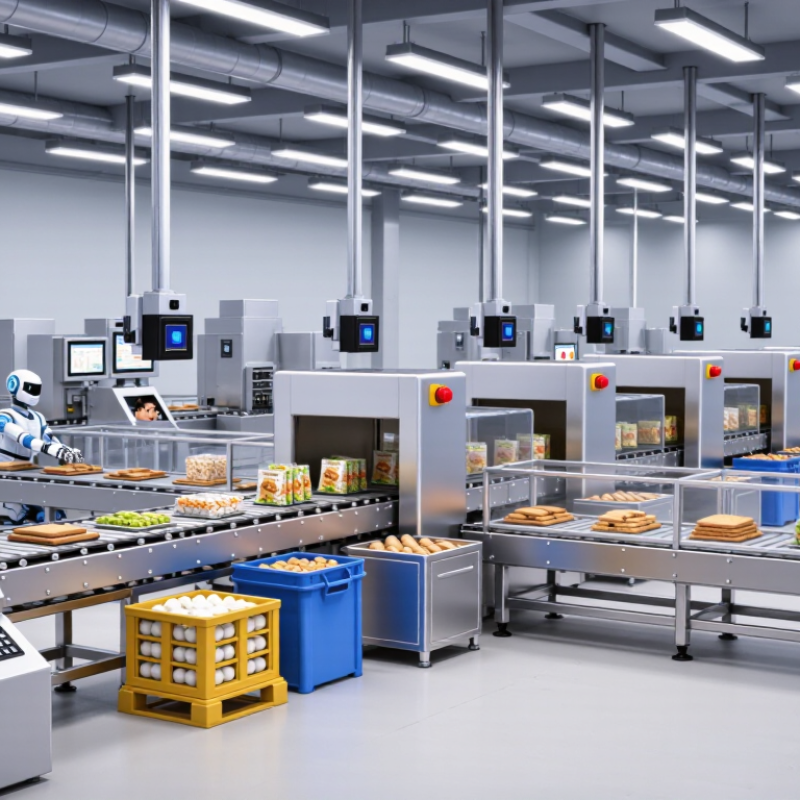
Top Ways Automation Is Changing Food Processing?

Robotic Handling: IFR Counts 4.28 Million Factory Robots Worldwide in 2023

The International Federation of Robotics counted 4.28 million industrial robots operating in factories worldwide in 2023. That figure covers many industries, not food processing alone. Still, it shows how widely automated handling has spread. In food plants, robots can lift trays, move sealed packages, and stack cartons at the end of a line. Their steady movements help reduce repetitive lifting and keep products moving at a consistent pace.

The work can be surprisingly delicate. A robot handling soft bread rolls needs a different grip from one moving rigid crates. Cameras and sensors can guide picking, while washable equipment and careful line design help manage wet areas and frequent cleaning. Not every task fits. Changing product sizes, sticky ingredients, and small production runs can make automation harder to justify.

The global count is impressive, but it does not tell us how many robots serve food factories or whether a plant is safer or more productive. Those outcomes depend on the task, setup, and worker training. Automation can take on repetitive movements, yet people still need to inspect products, clear faults, and adjust processes. There is room for doubt: a fast robot is not automatically a better process.

AI Sorting: USDA Estimates 30–40% of U.S. Food Supply Is Lost or Wasted

USDA estimates that 30–40% of the U.S. food supply is lost or wasted. That broad estimate spans farms, distribution, retail, and homes; it does not mean AI sorting alone can prevent the loss. Still, sorting decisions on processing lines matter. A bruised apple or misshapen potato may be edible, yet rejected if its appearance falls outside a buyer’s specifications. Camera-based systems can assess color, size, ripeness, and visible damage at high speed. Fast decisions matter. When settings are chosen carefully, fewer acceptable items may be diverted from food products.

The technology is not a cure-all. A wet surface, changing light, or unfamiliar crop variety can confuse a camera. Workers still need to inspect samples, adjust settings, and question unexpected rejection rates. A chute filling with sound produce should prompt a closer look, not just a software update. Processors can track how much product is rejected and what happens to it afterward, then compare results over time. A nagging question remains: does a cleaner-looking line mean less waste, or simply faster sorting? Measuring what is recovered, redirected, or discarded helps answer that.

Top Ways Automation Is Changing Food Processing: AI Sorting and Food Waste

USDA estimate: 30%–40% of the U.S. food supply is lost or wasted. AI-powered sorting can help processors identify quality issues more consistently, supporting efforts to reduce food loss.

Source: USDA. The bar represents the reported estimate range, not separate measurements.

Automated Safety Controls: WHO Estimates 600 Million Foodborne Illnesses Yearly

WHO’s 2015 global burden report estimated that contaminated food caused 600 million illnesses and 420,000 deaths in 2010. That is roughly one in ten people worldwide. The figures are estimates, not a live count, but they show why prevention matters. CDC estimates add a closer view: foodborne illnesses affect about 48 million people in the United States each year.

Automation can make safety checks more consistent. Temperature sensors can flag a cooling tank that stays too warm. Optical systems can detect damaged packaging, while automated controls can stop a line when readings cross preset limits. Digital logs also help teams trace when a deviation occurred, rather than relying on handwritten records. Small details matter. A sensor covered by residue may report a clean reading while missing the problem.

These tools support, but do not replace, trained staff. The FDA’s 2022 report on its food traceability rule describes how consistent records can help identify foods during investigations. Yet automation still depends on careful calibration, cleaning, and review. A dashboard full of green indicators can feel reassuring. It can also hide a badly placed sensor or an outdated threshold. Better systems make those weaknesses easier to notice, not impossible.

Top Ways Automation Is Changing Food Processing? — Automated Safety Controls: WHO Estimates 600 Million Foodborne Illnesses Yearly

Safety Dimension How Automation Is Used Relevant Safety Data or Target Food-Safety Benefit
Global foodborne disease burden Automated monitoring and process controls can help food businesses consistently manage identified hazards. About 600 million illnesses and 420,000 deaths are estimated worldwide each year from eating contaminated food. Shows why prevention and consistent control throughout processing and handling matter.
Cooking and heat treatment Temperature sensors, timers, and process-control systems can monitor cooking steps and flag readings outside set limits. WHO advises cooking food thoroughly; a core temperature of 70°C is given as a useful reference for safer cooking. Supports consistent heat treatment, especially for meat, poultry, eggs, and seafood.
Chilling and cold storage Continuous temperature monitoring can record refrigeration conditions and alert staff when temperatures move outside operating limits. WHO advises keeping food at a safe temperature, including refrigerating perishable food promptly and keeping it below 5°C. Helps limit conditions that allow harmful microorganisms to grow during storage and processing.
Hot holding Automated temperature checks can help verify that cooked food remains at the required holding temperature. WHO’s safe-food guidance recommends keeping cooked food piping hot before serving; its temperature guidance uses above 60°C as a hot-holding reference. Reduces the risk of food spending extended periods at temperatures that support microbial growth.
Sanitation and cleaning verification Automated cleaning systems can control cleaning cycles and record parameters such as time and temperature; sensors can support hygiene checks. Cleaning and sanitizing are preventive controls; the required procedure and limits depend on the equipment, food, and validated process. Improves process consistency and creates records that can help identify missed or incomplete cleaning steps.
Foreign-material inspection Metal detectors and X-ray inspection systems can examine products or packages and reject items when configured detection criteria are met. Detection capability varies by product, packaging, equipment, and operating conditions; facilities must validate their own settings. Provides an additional automated check for physical hazards. It does not replace preventive controls for biological or chemical hazards.
Traceability and process records Digital systems can capture batch, time, temperature, and process information to support review and product tracing. Records should be accurate, accessible, and appropriate to the operation and applicable food-safety requirements. Helps teams investigate deviations and identify affected lots more efficiently when a food-safety concern arises.

Sources: World Health Organization (WHO), Food safety and Five Keys to Safer Food. WHO’s annual burden figures are global estimates; recommended temperature guidance is a reference and should be applied alongside applicable local regulations and validated food-safety procedures.

Digital Traceability: FDA’s Rule Covers 24 High-Risk Food Categories

Automation is making food traceability less dependent on paper logs and hurried handwriting. Under the FDA’s Food Traceability Rule, businesses handling foods on the Food Traceability List must keep specific records for key events, such as harvesting, cooling, packing, and shipping. The list covers 24 high-risk food categories, including certain fresh produce, seafood, cheeses, and ready-to-eat salads. Details matter.

A barcode scan at packing can connect a product lot to its origin, processing steps, and next destination. When a shipment moves, digital records can capture the time, location, and lot code. If a food safety concern arises, teams can search those records faster than they can sort through folders. That speed can help narrow a recall, though only if suppliers and buyers use compatible data and enter it accurately.

Automation does not make traceability foolproof. A misplaced label or poorly configured scanner can create gaps that look complete on screen. Staff still need clear procedures, routine checks, and a way to correct mistakes. The FDA’s compliance date is July 20, 2028, giving many businesses time to review their systems and test record-sharing with trading partners.

A useful test is simple: Can the team trace one lot backward and forward without guesswork?

FAQS

How much of the U.S. food supply is estimated to be lost or wasted?

The estimate is 30–40%. It includes farms, distribution, stores, and homes—not just processing lines.

How can camera-based sorting reduce avoidable food waste?

Cameras can assess color, size, ripeness, and visible damage quickly. Careful settings may keep more edible produce, like bruised apples, in food products.

Can automated sorting prevent all food waste?

No. Wet surfaces, changing light, and unfamiliar crop varieties can confuse cameras. It is not a cure-all.

What should workers do when a sorting line rejects too much produce?

Inspect samples and check the settings. A chute filling with sound produce deserves attention, not just a software update.

How can processors tell whether sorting changes reduce waste?

Track what is rejected and whether it is recovered, redirected, or discarded. A cleaner-looking line may not mean less waste.

What can automated safety controls detect in food processing?

Sensors can flag a cooling tank that stays too warm. Optical systems may detect damaged packaging and stop a line when limits are crossed.

How serious is foodborne illness worldwide?

One global estimate linked contaminated food to 600 million illnesses and 420,000 deaths in 2010. These are estimates, not live counts.

Do automated safety systems replace trained staff?

No. Staff still need to calibrate and clean sensors, review records, and question unexpected readings. A green dashboard can still miss a problem.

Conclusion

Automation is reshaping food processing by helping facilities handle products more consistently, sort ingredients with greater precision, and monitor safety throughout production. Robotic handling can take on repetitive or physically demanding tasks, while AI-powered sorting can identify differences in size, quality, or condition. These tools may help reduce waste, an important goal given estimates that 30–40% of the U.S. food supply is lost or wasted. The roughly 4.28 million factory robots counted worldwide in 2023 reflect the broader growth of robotics in manufacturing.

Understanding how automation is changing food processing also means looking beyond speed and efficiency. Automated safety controls can support more consistent checks and help reduce risks associated with foodborne illness, which affects an estimated 600 million people each year. Digital traceability systems can record key information as food moves through supply chains, making it easier to track products and respond to safety concerns. Traceability requirements covering 24 high-risk food categories further highlight the value of accurate, accessible records. Together, these technologies can support safer production, less waste, and better visibility from processing to distribution.

Oliver

Oliver

Oliver is a seasoned marketing professional with a wealth of expertise in driving brand awareness and engagement. With a deep understanding of our company's product offerings, he consistently delivers high-quality content that enriches our professional blog. His insights not only shed light on......