Regular maintenance is crucial for food machines. Many individuals overlook this aspect, thinking it saves time and money. However, understanding why regular maintenance is important for food machines can significantly impact efficiency and safety.
Food machinery faces rigorous demands. Equipment breakdowns can lead to delays and financial losses. Regular maintenance ensures machines run smoothly and efficiently. It can prevent unexpected failures and costly repairs.
Lack of maintenance can also compromise food safety. Dirty or malfunctioning equipment may contaminate products. This risk can damage a brand’s reputation and consumer trust. Investing time in regular check-ups is not just a choice; it's a necessity. The benefits of a well-maintained machine far outweigh the short-term gains of neglect.
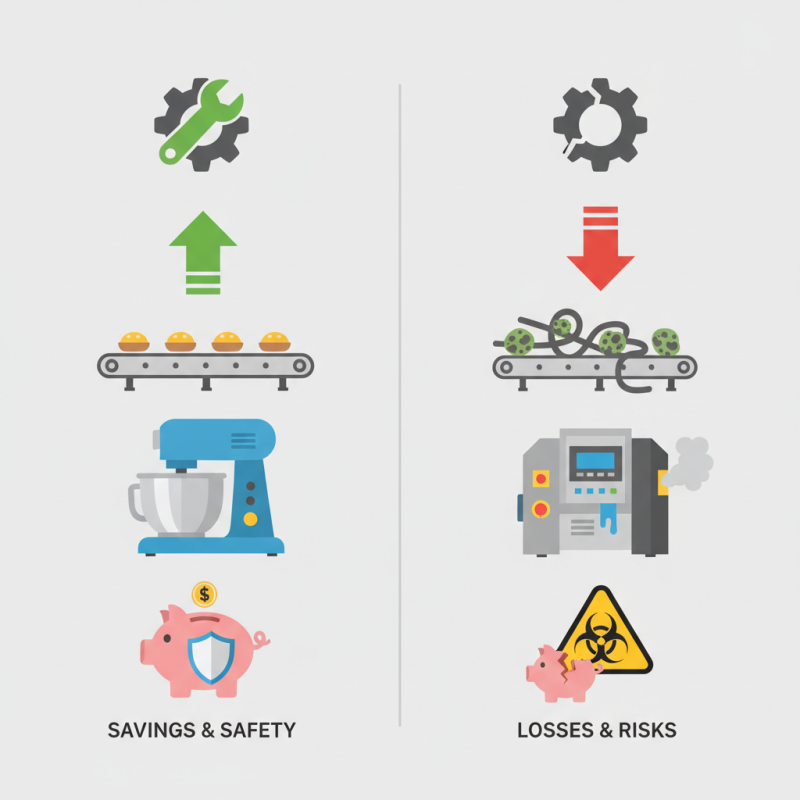
Regular maintenance for food machines is crucial to ensure safety and efficiency in food processing. According to the Food Safety and Inspection Service (FSIS), improper maintenance can lead to contamination risks that affect food quality. In fact, approximately 48 million people in the U.S. get sick from foodborne illnesses each year. This staggering figure highlights the need for stringent upkeep of food machinery.
Frequent inspections help identify wear and tear, which can lead to costly breakdowns. A report by the National Association of Food Equipment Manufacturers states that companies lose about 20 hours of productivity each year due to machine failures. This loss not only affects revenue but can also damage a brand's reputation. Regular servicing can prevent such issues, but many establishments overlook this essential step.
Despite the clear benefits, some operators lack the expertise to maintain complex machinery properly. Misconfigurations or skipping maintenance schedules often occur. A survey by Manufacturing.net revealed that nearly 30% of food processors do not follow recommended maintenance protocols. This neglect can ultimately lead to increased costs and diminished operational efficiency. Addressing this gap in knowledge and practice is vital for maintaining high standards in food safety.
Regular maintenance is crucial for food machines. Neglecting this can lead to serious issues. Machines can break down unexpectedly, which can result in costly repairs and downtime. For instance, a conveyor belt may wear out; if not inspected regularly, it could snap, halting production.
Moreover, unclean machines can cause food contamination. Accumulated debris can lead to bacterial growth, directly affecting food safety. Regular maintenance helps ensure machines operate efficiently. An overloaded or poorly maintained mixer can result in uneven mixtures, affecting product quality and wasting ingredients.
Inconsistent maintenance can also impact energy efficiency. Machines that are not properly maintained often consume more energy, leading to increased costs for businesses. Attention to detail in maintenance routines can help avoid these issues. Regular checks are a small investment that brings noticeable benefits.
Regular maintenance is vital for food machines. Routine inspections ensure that equipment operates efficiently. According to industry reports, nearly 30% of food production issues stem from equipment failures. These failures can lead to product waste and costly downtime.
Regular servicing helps identify potential problems before they escalate.
Benefit from routine inspections by adopting a proactive maintenance schedule. For instance, checking seals and lubricants can thwart mechanical failures. A recent survey indicated that companies engaging in consistent maintenance reduce their downtime by 50%. This not only saves money but also boosts productivity.
Don't overlook small details. Sometimes, even minor adjustments can enhance machine performance. Educate staff on simple maintenance tasks. Regularly cleaning machines can prevent contamination, ensuring food safety. Remember, small efforts lead to significant savings and operational efficiency.
Regular maintenance of food processing equipment is crucial for ensuring optimal performance and safety. According to a report from the Food Safety and Inspection Service (FSIS), approximately 48 million people fall ill from foodborne illnesses annually in the U.S. Equipment failure can contribute to contamination. Regular checks can reduce this risk significantly.
Best practices include scheduling routine inspections. These checks should focus on key components like seals, belts, and motors. For instance, a study by the Institute of Food Technologists shows that timely maintenance can extend equipment lifespan by up to 25%. Neglecting these tasks often reveals costly problems down the line.
Cleaning is another critical aspect. Residue buildup can lead to bacteria growth. The FDA emphasizes cleaning food machinery daily, particularly in high-risk areas. However, some facilities overlook this due to time constraints. Regular training sessions for staff can foster a culture of accountability. It’s important to reflect on how neglecting maintenance could affect product safety and quality. Small steps now can lead to significant benefits later.
Regular maintenance of food machines is crucial for ensuring safety and compliance in the food industry. A study by the National Center for Biotechnology Information (NCBI) revealed that improper maintenance can lead to contamination risks. In fact, over 48% of foodborne illness outbreaks are linked to equipment issues. When machines are not properly cleaned or serviced, bacteria can thrive and spread to food products. This creates significant health hazards for consumers and can lead to severe consequences for businesses.
Regular inspections and maintenance routines can help reduce these risks. According to the Food and Drug Administration (FDA), following a proactive maintenance schedule can lower the incidence of violations during audits by up to 30%. Consistent maintenance ensures that equipment operates effectively, leading to better food quality and safety practices. However, many facilities overlook this crucial aspect. A mere 25% of food processing plants report having a comprehensive maintenance program in place. This lack of attention can result in costly recalls and reputational damage.
Technology plays a role in improving maintenance practices. Predictive maintenance tools utilize data to forecast potential equipment failures. Incorporating these technologies can enhance compliance and safety. The industry must continue to adapt and prioritize regular maintenance. Ignoring this fundamental aspect can not only jeopardize health but also hinder a business's success in an increasingly competitive market.
: Regular maintenance prevents unexpected breakdowns and costly repairs, ensuring machines operate efficiently.
Unclean machines can lead to food contamination, causing bacterial growth and affecting food safety.
Poorly maintained machines can create uneven mixtures, wasting ingredients and compromising product quality.
Neglected maintenance increases energy consumption, leading to higher operational costs for businesses.
Routine inspections can identify problems early, reducing downtime by up to 50% and saving money.
Over 48% of foodborne illness outbreaks are linked to equipment issues due to improper maintenance.
Following a proactive maintenance schedule can lower audit violation rates by up to 30%.
Only 25% of food processing plants report having a comprehensive maintenance program in place.
Predictive maintenance tools use data to anticipate equipment failures, enhancing safety and compliance.
Ignoring maintenance can lead to health hazards, costly recalls, and reputational damage for businesses.
Regular maintenance is essential for food machines due to its significant impact on efficiency, safety, and compliance. Neglecting maintenance can lead to common issues such as equipment breakdowns, inefficient operations, and contamination risks, all of which can jeopardize food safety and compliance with health regulations. To ensure optimal performance and minimize risks, routine inspections and servicing should be conducted as part of standard operating procedures.
Implementing best practices for maintaining food processing equipment not only prolongs the lifespan of the machinery but also enhances the overall quality of the food products. Understanding **why regular maintenance is important for food machines** can save businesses from costly repairs and potential safety violations, ultimately supporting a reliable food production environment.

Chef Nest Kitchen