Maintaining commercial kitchen appliances is crucial for any successful food establishment. Proper upkeep not only extends the lifespan of equipment but also enhances food safety and efficiency. Understanding how to maintain commercial kitchen appliances can save businesses from costly repairs and operational downtime.
Regular cleaning and inspection are essential tasks. Build-up of grease and food particles can lead to malfunctions. Additionally, staff must be trained to identify early signs of wear and tear. Ignoring small issues can lead to bigger problems down the line.
Moreover, following manufacturer guidelines is vital. Each machine has specific maintenance requirements that must be adhered to. Many businesses overlook these details, which can lead to skipped crucial steps. Routine schedules for maintenance checks should be established for optimal performance. Ultimately, a proactive approach to appliance care ensures a smoother kitchen operation and contributes to overall success.
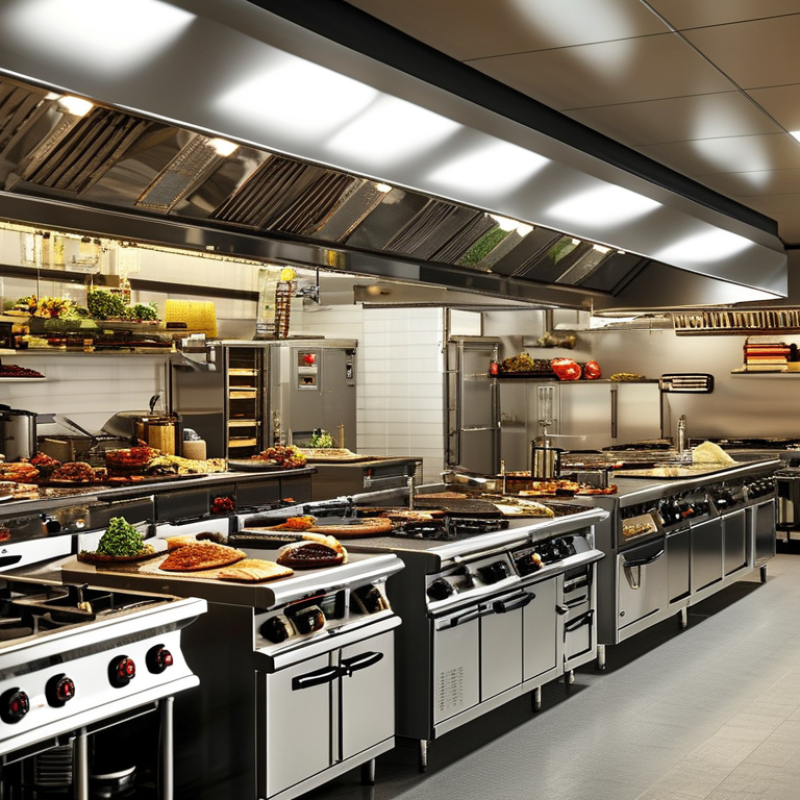
Cleaning commercial kitchen appliances is crucial for maintaining hygiene and efficiency. Regular cleaning helps prevent the buildup of grease, which can be a fire hazard. According to a report from the National Fire Protection Association, cooking equipment is involved in nearly 50% of restaurant fires.
Daily cleaning routines should include wiping down surfaces and deep cleaning specific appliances once a week. For instance, ovens should be cleaned after heavy use to avoid residue buildup. A survey revealed that 75% of kitchen staff believe that well-maintained equipment functions better and lasts longer. However, many kitchens overlook the importance of proper cleaning techniques and often use inappropriate tools that could damage equipment.
It's essential to use the right cleaning solutions and methods. For instance, using abrasive cleaners on stainless steel can cause scratches, which leads to more cleaning difficulties later. Many operators admit to using quick fixes that do not address deeper cleaning needs. It's an area for reflection, as improper maintenance can lead to costly repairs and replacements. Regular training sessions for kitchen staff on best practices can greatly improve cleaning habits.
Preventive maintenance in kitchen equipment is vital for smooth operations. Regular checks can prevent unexpected breakdowns. Many operators neglect this aspect, thinking it’s a waste of time. However, the costs of equipment failure can be far more significant. Imagine a busy weekend service interrupted by a malfunctioning oven. Such incidents can lead to unhappy customers and lost revenue.
Routine inspections can spot potential issues before they worsen. For example, cleaning filters regularly can improve performance. Replacing worn-out parts can save money in the long run. Ignoring these small tasks can lead to major repairs that disrupt service. Staff training is also essential. They should know how to spot early signs of wear. A simple squeak from a mixer could signal trouble.
Consider the impact on your kitchen's efficiency. When equipment runs well, food quality and service speed improve. On the other hand, unresolved issues can lower morale. Staff become frustrated when appliances fail during rush hour. This could affect their performance and stress levels. Reflecting on maintenance practices can lead to better results and a more harmonious kitchen environment.
Maintaining commercial kitchen appliances requires the right tools and supplies. Regular maintenance ensures the longevity and efficiency of equipment. According to a report by the Food Service Equipment Association, proper upkeep can extend appliance life by 20% or more.
Essential tools include a multi-tool for general repairs and screwdrivers for tightening components. A digital thermometer is vital for checking food safety temperatures. Cleaning supplies like degreasers and sanitized wipes keep surfaces hygienic. Many kitchens overlook replacing worn-out filters. This simple step can enhance appliance performance significantly.
A pressure washer can be beneficial for deep cleaning. Yet, not all staff members are trained to use it safely. This leads to potential damage. Relying solely on commercial cleaning services may neglect daily upkeep. Regular training is necessary to ensure all kitchen staff understand maintenance requirements. Proactive measures prevent costly repairs or replacements, which can disrupt kitchen operations.
Regular inspections are vital for commercial kitchen appliances. Scheduling these inspections prevents unexpected breakdowns. They allow for early detection of possible issues. When appliances receive routine checks, their lifespan increases significantly.
Tips for efficient inspections: focus on critical areas such as temperature control and seals. Testing temperature sensors ensures food safety compliance. Cleaning filters and vents may seem simple but is often overlooked. These tasks can prevent larger, costly problems down the line.
Addressing minor issues is key. A small leak could become a flood if ignored. Sometimes, maintenance staff miss signs of wear. It’s essential to stick to a regular inspection schedule. Use a checklist to document findings. This habits ensure nothing slips through the cracks.
Maintaining compliance and safety for commercial kitchen appliances is crucial for any establishment. According to the National Fire Protection Association, about 49% of restaurant fires start in the kitchen. Regular inspections can prevent these incidents and ensure a safe workspace. A comprehensive check should include evaluating the cooking equipment, exhaust systems, and fire suppression systems. Neglecting these elements can lead to severe consequences.
Proper maintenance extends beyond routine checks. The Occupational Safety and Health Administration (OSHA) emphasizes the importance of training staff on safe appliance usage. A well-informed team is key to compliance. Regular training sessions, along with updating safety protocols, can enhance overall kitchen safety. Data from the National Restaurant Association shows that establishments adhering to safety standards experience fewer accidents and liabilities.
Reflecting on kitchen practices is vital. Many kitchens overlook the significance of maintaining cleanliness. Kitchens lacking proper sanitation can harbor hazards. Reports indicate that 38% of foodborne illnesses are linked to improper kitchen equipment upkeep. An effective maintenance plan should incorporate thorough cleaning schedules and compliance audits. These practices ensure both safety and efficiency in a commercial kitchen.
| Appliance Type | Maintenance Frequency | Common Issues | Safety Compliance Check | Recommended Action |
|---|---|---|---|---|
| Ovens | Weekly | Temperature inconsistency | Visual inspection of thermostats | Calibrate thermostats |
| Refrigerators | Monthly | Temperature fluctuations | Check door seals and gaskets | Replace faulty seals |
| Dishwashers | Daily | Poor cleaning performance | Inspect spray arms and filters | Clean filters regularly |
| Fryers | Weekly | Oil leakage | Check for cracks and damage | Replace damaged components |
| Grills | Monthly | Uneven heating | Inspect burner tubes | Clean and replace as needed |
: Regular cleaning maintains hygiene and prevents grease build-up, which can cause fire hazards.
Daily cleaning routines are essential. Deep cleaning specific appliances should occur weekly.
Improper cleaning can lead to damage, costly repairs, and ineffective equipment performance.
Use appropriate cleaning solutions. Abrasive cleaners can scratch and create more cleaning issues.
Staff should look for unusual sounds. A squeaky mixer may indicate a need for attention.
Inspections help detect problems early, preventing unexpected breakdowns and ensuring smoother operations.
Regular inspections should be on a fixed schedule to catch minor issues before they escalate.
Pay attention to critical areas like temperature control, seals, and cleans filters and vents regularly.
Yes, training helps staff understand cleaning techniques and recognize early signs of equipment failure.
Ignoring maintenance can lead to major repairs, disrupt service, and lower staff morale during busy times.
To effectively maintain commercial kitchen appliances, it is crucial to adopt best practices for regular cleaning. This ensures equipment operates efficiently and meets industry hygiene standards. Understanding the importance of preventive maintenance can help reduce unexpected breakdowns and extend the lifespan of your appliances. Utilizing essential tools and supplies specifically designed for kitchen appliance care will further enhance the maintenance process.
Scheduling regular inspections plays a vital role in identifying potential issues before they escalate, ultimately protecting your investment. Additionally, adhering to industry standards for compliance and safety ensures that your kitchen remains a safe environment for staff and patrons alike. By implementing these strategies, you will gain a clearer understanding of how to maintain commercial kitchen appliances, ensuring their optimal performance over time.

Chef Nest Kitchen