How Small Kitchens Use Professional Machines for Efficiency?

Time:2026-06-22 Author:Mason
0%

In the fast-paced world of culinary arts, small kitchens face unique challenges. To maximize efficiency, many are turning to professional-grade machines. Renowned chef and kitchen efficiency expert, Jamie Lin, emphasizes, “Small kitchens can create big impacts with the right tools.” This quote highlights the potential of professional equipment in enhancing productivity.

How small kitchens adopt professional-grade machines often reflects their commitment to quality and precision. These machines are engineered for high performance. For example, a compact sous-vide device or a high-speed blender can drastically reduce cooking time while maintaining flavor profiles. Small kitchens are not limited by size but can thrive on innovation and smart choices.

However, the transition comes with challenges. Not every small kitchen can afford or accommodate these machines. Some owners may hesitate to invest in tools that seem out of reach. Though efficiency is crucial, balancing cost with quality remains a common struggle. Ultimately, embracing professional-grade machines is a bold move that can redefine how small kitchens operate, pushing the boundaries of culinary creativity.
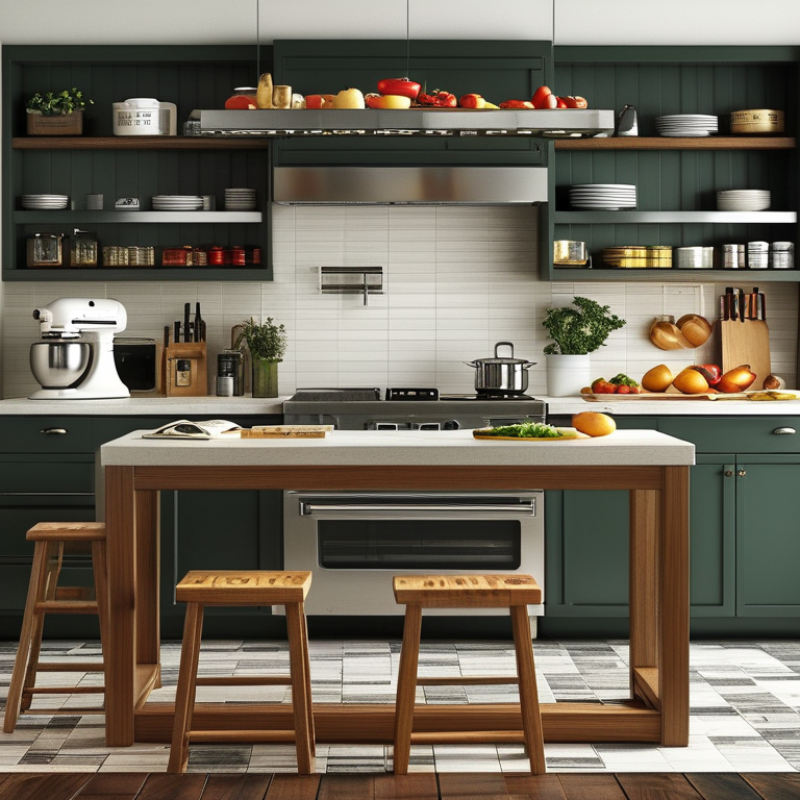
How Small Kitchens Use Professional Machines for Efficiency?

The Importance of Space Optimization in Small Kitchen Design

Small kitchens face unique challenges. Maximizing space is crucial for functionality. Efficient design can drastically improve your cooking experience. Every inch counts in a compact area. One effective approach is to utilize multifunctional appliances. They help minimize clutter and increase productivity.

Tips for optimizing space include using vertical storage. Wall-mounted shelves can hold pots and pans. Hooks can keep utensils within reach. This creates an organized look. Consider a foldable dining table that can be stowed away. This allows for more floor space when it’s not in use.

Don’t forget lighting. Bright, well-placed lights can create depth. A small kitchen can feel cramped without proper illumination. Mirrors can also enhance the sense of space. However, be mindful of overloading your kitchen with too many elements. Each addition should have a purpose. Aim for a balance between style and practicality.

How Small Kitchens Use Professional Machines for Efficiency? - The Importance of Space Optimization in Small Kitchen Design

Machine Type Function Space Efficiency (sq ft) Power Usage (Watts) Capacity (Liters)
Compact Dishwasher Cleans dishes efficiently 2 1200 6
Countertop Oven Baking and broiling 1.5 1500 10
Induction Cooktop Cooking with precision 1 1800 2
Blender Mixing and pureeing 1 800 1.5
Food Processor Chopping and slicing 1.5 600 3

Professional Kitchen Equipment: Enhancing Efficiency in Limited Spaces

In small kitchens, professional equipment can significantly enhance efficiency. Research from the National Kitchen and Bath Association shows that efficient layout and equipment can boost productivity by 20% in limited spaces. Chefs often opt for compact, multifunctional tools. For instance, steam ovens save space and time, allowing for quick meal prep.

The right machines can also improve food quality. According to a 2021 report by Foodservice Equipment Reports, chefs using professional-grade blenders reduced prep time by 30%. This data highlights how sophisticated equipment transforms the cooking process. However, many chefs hesitate to invest initially, fearing costs will outweigh benefits.

Balancing quality and space is key. Small kitchens might struggle with equipment selection. It’s crucial to evaluate what fits. Inadequate choices can lead to crowded counters and inefficient workflows. Reflecting on these challenges, chefs can adapt purchasing decisions to their specific needs. Prioritizing durable, versatile machines is essential for maximizing small kitchen potential.

Efficiency of Professional Kitchen Equipment in Small Spaces

Key Features of Commercial Appliances for Compact Cooking Areas

In small kitchens, efficiency is key. Compact spaces benefit immensely from professional-grade appliances. These machines are designed to maximize functionality without compromising on quality. Key features of these commercial appliances focus on power, space-saving design, and versatility.

One notable aspect is the dual-functionality of some appliances. A convection oven can also serve as a broiler. This versatility is invaluable in tight quarters. Some units come with built-in refrigeration capabilities. This feature allows for greater accessibility while cooking.

However, not all appliances fit seamlessly into small kitchens. Choosing the wrong size or type may lead to overcrowding. Some machines can be overly complicated, requiring extensive training to operate. It’s essential to find a balance between efficiency and usability. Professional quality does not always equate to user-friendliness. Reflecting on the specific needs of your cooking setup is crucial for optimal performance.

Cost-Benefit Analysis: Investing in Professional Machines for Small Kitchens

In the realm of small kitchen operations, investing in professional machines can yield substantial benefits. According to a report from the National Restaurant Association, 67% of small restaurants find that high-quality kitchen equipment boosts their operational efficiency. These machines, often built to withstand heavy use, help streamline tasks like food preparation and cooking. By reducing meal prep time by up to 50%, they allow chefs to focus more on creativity and customer service.

However, the initial investment can be daunting. Reports indicate that quality professional machines can cost between $3,000 to $15,000. It requires careful budgeting and planning. For small kitchens, where space and finances are limited, this cost may raise concerns. Many operators may hesitate, fearing that the return on investment won't justify the expense. Yet, thorough analysis often reveals improved productivity and reduced labor costs over time.

The challenge remains to strike the right balance. Not every kitchen may need a fully professional setup. Understanding specific needs is crucial. Reflecting on actual usage can help determine which equipment is essential. In the end, the key is recognizing that investing in efficiency today can foster growth and sustainability tomorrow, despite the short-term financial pressures.

Real-World Examples: Successful Small Kitchens Leveraging Professional Tools

Small kitchens often face the challenge of maximizing limited space while maintaining efficiency. Many successful small kitchens utilize professional tools tailored for compact areas. These tools include high-quality blenders, compact ovens, and multi-functional cookers. Such equipment not only saves time but also enhances the cooking process. For example, a renowned café in a dense urban area revamped its layout with stacked appliances. This change increased their output significantly.

In another case, a small restaurant adopted an advanced sous-vide machine. Despite its size, it allowed for precise cooking that elevated their dishes. The kitchen space transformed into a streamlined area, optimizing workflow. However, there's a common struggle. Some chefs overlook maintenance for these machines, leading to inconsistent performance. Attention to detail in both operation and upkeep can make or break a small kitchen.

These real-world examples illustrate how professional tools can revolutionize small kitchens. The focus on efficiency is paramount. Yet, the human factor remains critical. Learning from mistakes and adapting to each challenge is essential. The journey is often more valuable than the destination. Balancing technology with practical knowledge defines success in the culinary setting.

FAQS

: Why is space optimization important in small kitchens?

: Space optimization enhances functionality and improves the cooking experience. Every inch matters in a compact area.

What are some effective ways to optimize kitchen space?

Use multifunctional appliances, vertical storage, and wall-mounted shelves to keep your kitchen organized.

How can lighting affect a small kitchen?

Bright, well-placed lighting creates depth. A dimly lit kitchen may feel cramped and uninviting.

What should I consider when choosing kitchen appliances for small spaces?

Look for compact design, dual-functionality, and how easy they are to use. Avoid overcrowding your kitchen.

Are professional-grade appliances worth the investment for small kitchens?

Yes, they can enhance efficiency and reduce meal prep time. However, the upfront cost is significant.

What is the typical cost range for professional kitchen machines?

High-quality machines can cost between $3,000 to $15,000. Budgeting is essential before investing.

Can too many elements in a small kitchen be problematic?

Yes, overload can lead to chaos. Each addition should serve a purpose to maintain balance.

How can I ensure my kitchen setup meets my specific needs?

Reflect on actual usage and prioritize essential equipment. Not every kitchen needs a professional-grade setup.

What are the potential drawbacks of investing in professional appliances?

They can be complex and costly. Users may require training and budget planning to justify the expense.

How can investing in efficiency today benefit me in the long term?

Better efficiency fosters growth and sustainability, despite initial financial pressures. Recognizing future benefits is vital.

Conclusion

In today's culinary landscape, how small kitchens adopt professional-grade machines has become crucial for optimizing space and enhancing efficiency. With the growing demand for functional yet compact cooking spaces, the design principles of small kitchens emphasize the importance of space optimization. By integrating professional kitchen equipment, these kitchens can maximize productivity despite limited areas.

Commercial appliances tailored for small cooking environments bring key features, such as multifunctionality and energy efficiency, which are essential for effective meal preparation. Conducting a cost-benefit analysis reveals that investing in professional machines can lead to significant long-term savings while improving overall cooking experiences. Real-world examples demonstrate how successful small kitchens leverage these professional tools, creating high-performance environments even in the tightest spaces.

Mason

Mason

Mason is a seasoned marketing professional with a deep expertise in the company's offerings and a passion for driving brand awareness. With a strong background in digital marketing strategies, he has an innate ability to connect with diverse audiences and effectively communicate product benefits.......