In the world of baking, machines play a crucial role in ensuring efficiency and quality. However, like any equipment, they can face issues over time. Andrew Baker, a well-known engineer in the bakery industry, once stated, “Understanding what are common problems with bakery machines can save time and money.”
Common challenges include dough consistency, temperature control, and mechanical failures. These issues often result in inefficient production and can impact product quality. If ovens fail to reach the desired temperature, it can lead to unsatisfactory baking results. Additionally, improper mixing can affect the texture of the final product, leading to potential customer complaints.
Bakeries often overlook regular maintenance, which is essential for machine longevity. The wear and tear of components can lead to sudden breakdowns. It's vital to conduct routine checks and calibrations. Addressing these common challenges not only enhances productivity but also improves the overall quality of baked goods. Reflecting on these insights helps bakers make informed decisions about their equipment.
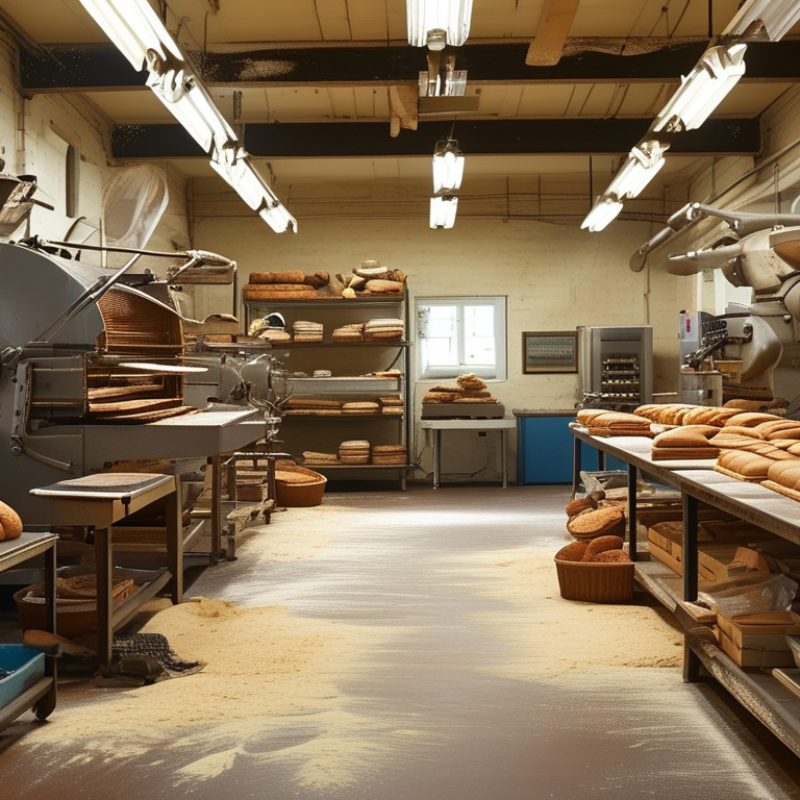
Identifying common issues with bakery machines is crucial for maintaining productivity. One prevalent problem is inconsistent dough mixing. Reports show that 25% of bakers face this challenge, often due to improper speed settings or inadequate ingredient amounts. Ensuring that machines are calibrated correctly can significantly enhance the consistency of dough.
Another frequent issue is overbaking or underbaking. According to industry data, nearly 30% of baked goods are rejected due to improper baking times. This can stem from faulty temperature gauges or irregular heat distribution. Regular inspections and sensor checks can mitigate these problems.
Additionally, malfunctioning timers can disrupt the baking process. Inaccurate timers lead to products that are either too dry or not properly cooked. In a recent survey, 40% of bakers reported experiencing this issue. Implementing a routine maintenance schedule can prevent these disruptions and boost overall efficiency. Proper training for staff is also essential to recognize early signs of machine malfunction. Addressing these issues head-on can save time and resources in the long run.
This chart displays the common problems encountered with bakery machines based on reported issues. Overheating is the most frequently reported problem, followed by inconsistent temperature and baking time issues.
Understanding the components of bakery machines is crucial for effective troubleshooting. Each part has a specific role, and knowing these can help identify issues quickly. For instance, mixers blend ingredients to ensure consistency. If the dough is lumpy, the mixing arm may be worn or the speed settings may be incorrect.
Ovens rely on precise temperature control. If baked goods are unevenly cooked, the thermostat could be malfunctioning. Regular checks and calibrations are necessary. Additionally, conveyor systems transport products throughout the bakery. If items jam, it could be due to misalignment or build-up of materials on the belt.
Recognizing signs of wear in components is important. For example, belts can fray or stretch over time. If a part seems off, it likely needs immediate attention. Observing these details can prevent larger issues down the line. A thorough understanding fosters a proactive approach to maintenance. While troubleshooting might seem straightforward, it often requires critical thinking and a bit of trial and error to get everything running smoothly again.
When troubleshooting bakery machines, identifying the issue is crucial. For instance, if a mixer fails to start, check the power supply first. Many machines operate on 220V, and an inadequate connection can disrupt functionality. According to a 2021 industry report by Baking Technology Council, 30% of equipment failures stem from electrical issues.
Another common problem is inconsistent dough consistency. This can be caused by incorrect ingredient ratios or malfunctioning sensors. Bakers often overlook calibration. A survey by the American Bakers Association indicated that 25% of bakers experienced dough errors due to sensor misalignment. Regular checks and adjustments can enhance machine performance.
Lastly, overheating issues can plague ovens or proofers. Overuse or debris buildup may reduce airflow. It's vital to conduct frequent cleaning and maintenance. Reports suggest that machines that undergo regular maintenance have a 40% longer lifespan. Reflecting on these points can help bakers maintain their equipment effectively.
| Issue | Symptoms | Possible Causes | Troubleshooting Steps |
|---|---|---|---|
| Dough Not Rising | Flat bread, dense texture | Expired yeast, incorrect temperature | Check yeast expiration, ensure proper temperature for proofing. |
| Inconsistent Baking | Uneven crust, varied texture | Faulty oven calibration, improper rack placement | Calibrate oven, reposition baking racks. |
| Burnt Edges | Darkened edges, overcooked areas | Too high temperature, incorrect bake time | Lower the temperature, reduce baking time. |
| Sticking Dough | Dough adheres to surfaces | Insufficient flour, wet surfaces | Increase flour dusting, ensure clean, dry surfaces. |
| Gate Valve Malfunction | Steam escapes, inconsistent temperature | Clogs or debris in valve | Inspect and clean valve; replace if damaged. |
Regular maintenance of bakery machines is crucial for optimal performance. According to a report by the International Bakery Equipment Association, nearly 30% of machine failures result from poor upkeep. Simple tasks, like cleaning conveyor belts and lubricating moving parts, can prevent significant issues.
Inspecting the electrical components monthly can also reduce risks. Loose connections or worn cables can lead to injuries or fires. An estimated 15% of bakery accidents stem from electrical malfunctions. Therefore, checking for any signs of damage routinely is essential.
Scheduling professional maintenance every six months is advisable, as it can identify potential problems before they escalate. Many bakeries overlook this aspect, often resulting in costly repairs or downtime. Balancing routine checks with thorough evaluations can save resources in the long run. Prioritizing these practices leads to more efficient operations and better product quality.
When dealing with bakery machine issues, knowing when to seek professional help is crucial. Some problems are easily identified. For instance, a mixer may not turn on due to a simple power issue. Checking the power source is a good first step. However, if the machine emits strange noises or stops unexpectedly, it may indicate a deeper issue. These situations require more than just a quick fix.
Professional technicians have the experience needed to diagnose complex problems. They look for underlying issues that you might overlook. For example, a dough sheeter could jam for various reasons. A small debris piece may cause it. However, persistent jams often imply mechanical wear or internal malfunctions. Professionals have the tools and expertise to handle these scenarios safely and effectively.
In certain cases, continuing to use a malfunctioning machine can worsen the issue. This not only leads to expensive repairs later but also risks safety hazards. It’s essential to recognize your limitations. If troubleshooting leads to no resolution, don’t hesitate. Seek professional help. The goal is to ensure your bakery operates smoothly and safely. Balancing hands-on skills with professional assistance often yields the best results.
: Regular maintenance is crucial for optimal performance and can prevent nearly 30% of machine failures caused by poor upkeep.
Cleaning conveyor belts and lubricating moving parts are simple yet effective maintenance tasks. They prevent significant machine issues.
Inspecting electrical components monthly reduces risks. Loose connections can lead to injuries or even fires, which is concerning.
Schedule professional maintenance every six months. This can identify potential problems before they escalate, avoiding costly repairs later.
Strange noises often indicate deeper issues. It’s crucial to seek professional help rather than attempting a quick fix in such cases.
Continuing to use a malfunctioning machine can worsen the issue. It may lead to expensive repairs and safety hazards.
If troubleshooting does not resolve the issue, recognize that it may require professional assessment. Prioritize your safety and the machine's integrity.
Many bakeries overlook maintenance due to busy schedules or budget constraints. This can lead to operational inefficiencies and poor product quality.
Balancing hands-on skills with professional help often yields the best results. It ensures machines operate smoothly and safely without bypassing essential checks.
Yes, regularly checking for signs of damage in machines is essential. It helps prevent accidents stemming from electrical malfunctions, which can be dangerous.
In the world of bakery operations, understanding what are common problems with bakery machines is essential for ensuring smooth production. The article outlines key issues such as overheating, improper mixing, and malfunctioning timers that can disrupt workflow. By comprehensively understanding the machine components and their functions, operators can more effectively diagnose these problems.
Step-by-step troubleshooting techniques are provided for each identified issue, guiding users through practical solutions. Additionally, the article emphasizes the importance of regular maintenance to prevent future problems, including cleaning and timely replacement of worn parts. Finally, it highlights the circumstances when seeking professional help becomes necessary, ensuring that bakery businesses can maintain their equipment efficiently and reduce downtime.

Chef Nest Kitchen