Why You Should Clean Industrial Food Equipment Safely?

Time:2026-08-18 Author:Aria
0%

Cleaning industrial food equipment safely is critical for health and safety. Many food facilities overlook proper cleaning methods. This negligence can lead to contamination and foodborne illnesses. Understanding how to clean industrial food equipment safely protects both workers and consumers.

Safe cleaning practices also enhance the lifespan of equipment. Dirty machinery can break down more often, leading to costly repairs. However, many staff lack proper training. This gap can result in incorrect cleaning methods that do not address all food residues.

Taking the time to educate staff on safe cleaning ensures compliance with health standards. It is vital for maintaining a safe working environment. Thoughtful attention to cleaning can have lasting impacts on the quality of food produced. Regularly reviewing cleaning protocols helps identify areas for improvement and reflection.
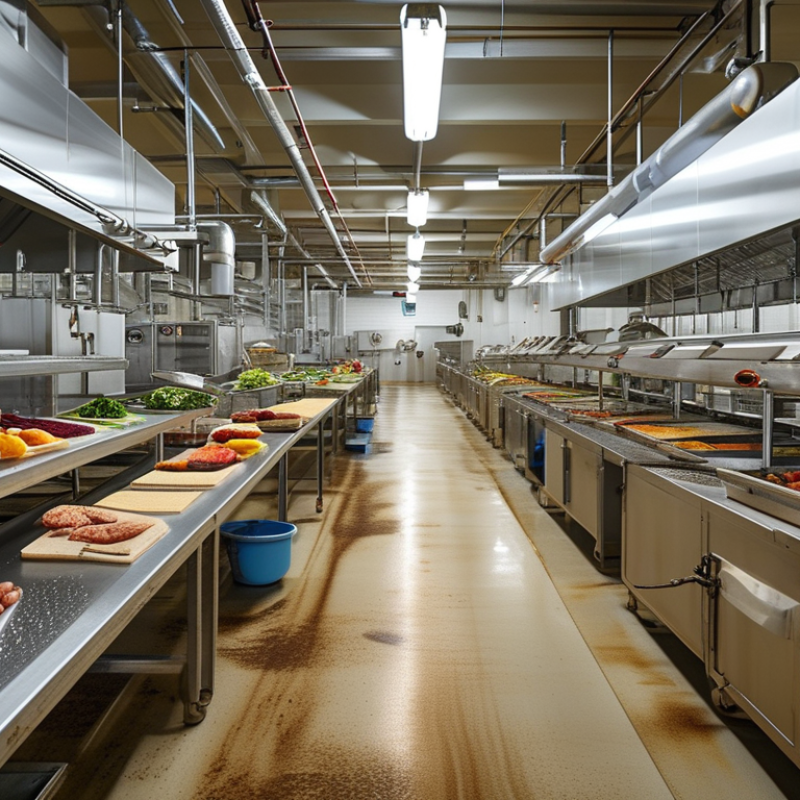
Why You Should Clean Industrial Food Equipment Safely?

Importance of Proper Cleaning for Food Safety in Industrial Settings

In industrial food settings, proper cleaning is crucial for food safety. According to the Food and Drug Administration (FDA), foodborne illnesses affect about 48 million Americans each year. Many of these outbreaks are linked to insufficient cleaning practices in food processing and manufacturing facilities.

Cleaning food equipment must be done diligently. Residual food particles can harbor harmful bacteria. A report from the Centers for Disease Control and Prevention (CDC) outlines that improper cleaning protocols significantly increase contamination risks. This emphasizes the need for implementing stringent hygiene practices. Employees should be trained regularly to recognize potential risks and handle cleaning agents safely.

Data from industry studies shows that 25% of food contamination incidents involve equipment. Many workers underestimate the importance of thorough cleaning. It's essential to address these oversights. Lack of attention to cleaning procedures can lead to severe consequences, including product recalls and reputational damage. Frequent audits can help maintain standards but must be implemented effectively.

Understanding the Risks of Poorly Maintained Food Equipment

Maintaining industrial food equipment is critical for safety. Inadequately cleaned machines can harbor harmful bacteria, leading to foodborne illnesses. The CDC reports that 48 million people get sick from food every year in the U.S. alone. This statistic highlights the direct connection between equipment cleanliness and public health.

Poor maintenance can also result in equipment failure. When machines break down, production halts. A study by the Food Safety and Inspection Service notes that 20% of food safety violations stem from improperly maintained equipment. This indicates a significant risk posing not just to consumers but also to businesses.

Decaying food particles or mold trapped in equipment can compromise food quality. Contaminated equipment can lead to costly recalls. This reflects a need for ongoing training in hygiene practices for employees. Regular cleaning schedules should be observed rigorously. In the long run, ensuring safe equipment helps maintain a trustworthy brand image.

Food Equipment Maintenance and Safety Risks

Key Cleaning Methods for Industrial Food Equipment

Cleaning industrial food equipment is crucial for maintaining hygiene and safety. Proper cleaning methods can significantly reduce the risk of contamination. According to the Food and Drug Administration (FDA), inadequate cleaning practices can lead to serious foodborne illnesses, affecting millions each year. In fact, nearly 48 million people are sickened from contaminated food in the U.S. annually.

One recommended cleaning method is the use of high-pressure steam. This technique is effective in removing stubborn residues and microorganisms. Research shows that steam cleaning can reduce contamination levels by up to 99%. Another approach is the use of chemical sanitizers, which must be applied according to manufacturer instructions to ensure effectiveness. However, it’s essential to scrutinize chemical usage, as over-reliance can lead to equipment damage or harmful residues.

Additionally, routine inspections should not be overlooked. Regular assessments can identify areas that require more attention. Many facilities fail to adhere to scheduled maintenance, which can result in costly downtime or compromised food safety. It’s clear that while cleaning methods are established, the commitment to executing them consistently can be lacking within the industry. This calls for ongoing training and awareness to improve practices and safeguard public health.

Why You Should Clean Industrial Food Equipment Safely? - Key Cleaning Methods for Industrial Food Equipment

Cleaning Method Description Advantages Recommended Frequency
Manual Cleaning Utilizing hand tools and cleaning agents for equipment. Cost-effective and thorough. Daily
Automated Cleaning Systems Using machines to perform cleaning tasks. Consistency and reduced labor costs. Weekly
Chemical Cleaning Applying chemical agents to sanitize equipment. Effective against tough residues and pathogens. Monthly
Steam Cleaning Using high-pressure steam to sanitize surfaces. Non-toxic and effective at killing bacteria. Bi-weekly
Ultrasonic Cleaning Employing high-frequency sound waves to remove contaminants. Reaches complex geometries and crevices. As needed

Regulatory Standards for Sanitation in Food Processing

Sanitation in food processing is crucial for public health. Regulatory standards outline specific hygiene practices that facilities must follow. These guidelines help prevent contamination. For instance, equipment must be cleaned regularly to eliminate harmful bacteria. Neglecting this can lead to foodborne illnesses.

The FDA and other organizations set these standards, but compliance varies. Some facilities may not prioritize sanitation, risking both safety and reputation. Training staff on proper cleaning methods is essential. They must understand the importance of procedures. Regular audits can help identify gaps in sanitation practices.

Implementing a thorough cleaning schedule can be challenging. Equipment may require different cleaning agents, which adds complexity. However, keeping up with these standards is non-negotiable. A clean facility fosters trust with consumers and meets legal requirements. Proper sanitation can save money in the long run by avoiding shutdowns and recalls. Industry leaders continuously emphasize the need for compliance to help maintain food safety.

Best Practices for Safe and Effective Equipment Cleaning

When it comes to cleaning industrial food equipment, safety is paramount. Proper practices ensure both hygiene and efficiency. Specialized training for staff can prevent accidents and maintain equipment integrity. Regular maintenance checks can highlight issues before they escalate, ensuring long-term usability.

Tips: Always wear appropriate personal protective equipment (PPE) during cleaning. This minimizes exposure to harmful chemicals and potential injuries. Select suitable cleaning agents that are safe for food equipment. Improper choices can damage machinery or contaminate food surfaces.

Overlooking the importance of thorough rinsing can lead to residue buildup. This compromises food quality and safety. Establish a routine that includes verifying cleanliness with visual inspections and testing methods. Encourage staff to report concerns or irregularities in cleaning processes. Active communication fosters a safer working environment and promotes a culture of safety in food production.

FAQS

: Why is maintaining food equipment important?

: Proper maintenance is critical for safety and prevents foodborne illnesses.

What are the risks of poorly maintained equipment?

Poor maintenance can lead to equipment failure and food safety violations, affecting consumers and businesses.

How many people are affected by foodborne illnesses each year?

Approximately 48 million people in the U.S. become sick from contaminated food annually.

What can happen if equipment is not cleaned properly?

Inadequate cleaning can result in harmful bacteria, contaminated food, and costly recalls.

What is a recommended cleaning method for food equipment?

High-pressure steam is effective in removing residues and microorganisms, reducing contamination by up to 99%.

How should chemical sanitizers be used?

They must be applied according to manufacturer instructions to ensure safety and effectiveness.

What is a common issue in maintaining food equipment?

Facilities often fail to follow scheduled maintenance, leading to costly downtime and safety risks.

What is the role of routine inspections?

Regular assessments can identify cleaning needs and prevent food safety events from escalating.

How can training impact food equipment maintenance?

Ongoing training can improve cleaning practices, ensuring better hygiene and public health safeguards.

Why is it crucial to be mindful of chemical use?

Over-reliance on chemicals can damage equipment or leave harmful residues.

Conclusion

Proper cleaning of industrial food equipment is crucial for ensuring food safety and preventing contamination in food processing environments. The risks associated with poorly maintained equipment can lead to serious health hazards, underscoring the importance of understanding how to clean industrial food equipment safely. Adhering to regulatory standards and implementing best practices not only promotes hygiene but also enhances operational efficiency.

Employing key cleaning methods, such as sanitization and regular maintenance, can significantly reduce the chances of foodborne illnesses. It is essential for industrial setups to prioritize a safe cleaning protocol to protect consumers and comply with sanitation regulations, ensuring that the equipment functions optimally and safely within the food production chain.

Aria

Aria

Aria is a dedicated marketing professional with a deep passion for innovative strategies and a keen understanding of our company's product offerings. With a wealth of experience in the industry, Aria excels at crafting engaging content that highlights the unique features and benefits of our......