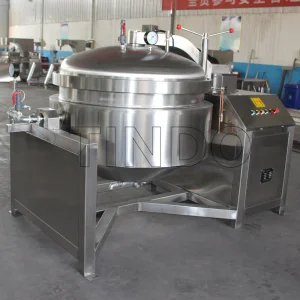
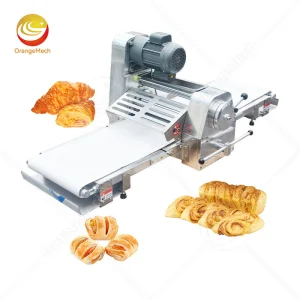
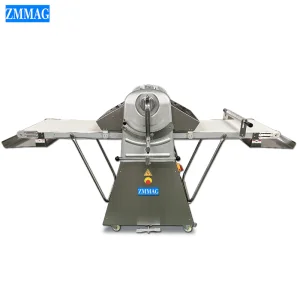
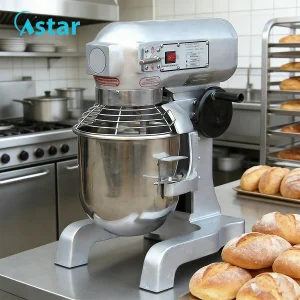
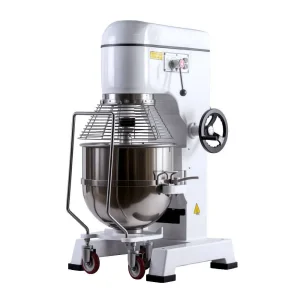
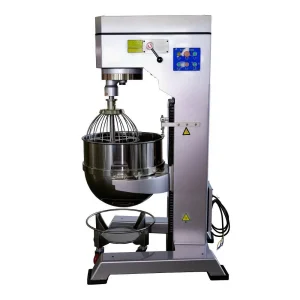
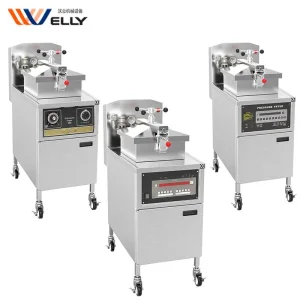
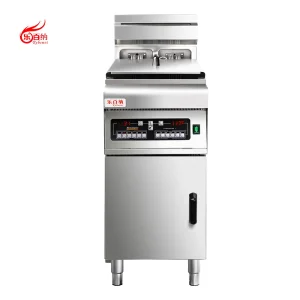
Discover high-capacity, precision-engineered machinery designed to streamline modern commercial bakery, dessert, and beverage operations globally.
The global bubble tea market has shifted from a regional novelty into a multi-billion-dollar international phenomenon. According to recent industry reports, the market size is projected to exceed USD 4.3 billion by 2027, growing at a compound annual growth rate (CAGR) of over 8.5%. This exponential growth has triggered a critical demand for automated, highly efficient, and CE Certified Bubble Tea Maker equipment. Commercial entities—ranging from high-volume retail franchises to industrial ingredient processors—require automation to maintain product consistency, meet strict sanitary regulations, and optimize throughput.
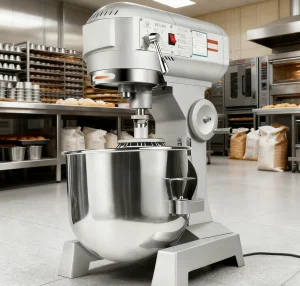
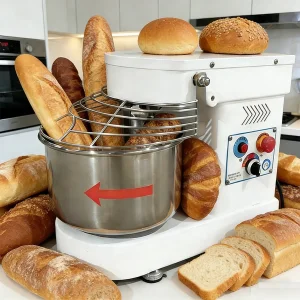
Historically, the production of tapioca pearls, shaking of teas, and sealing of cups were manual tasks. However, scaling a modern beverage business requires extreme consistency. Raw materials must be mixed precisely, cooked at highly controlled temperatures, and portioned identically across multiple retail branches. Consequently, advanced manufacturing plants have integrated technology such as automated cooking systems, planetary mixers, and specialized steam equipment. These tools eliminate human error, drastically reduce preparation times, and optimize energy utilization.
China has solidified its position as the premier global hub for manufacturing high-capacity food processing and beverage machinery. This dominance is driven by dense industrial clusters, a robust supply chain network, and rapid technological adoption. Guangdong province, particularly cities like Guangzhou, serves as the epicentre of this manufacturing ecosystem. The regional synergy allows factories to easily source raw food-grade materials like SUS304 and SUS316 stainless steel, high-performance heating elements, and precise microprocessor controllers.
Chinese manufacturers offer unmatched scaling capabilities. Unlike Western equivalents, where customized adjustments to machinery can require months of planning and high engineering costs, Chinese factories leverage flexible manufacturing processes. They can quickly transition assembly lines from producing planetary mixers and deep fryers to fabricating commercial tea brewers and automated tapioca pearl cookers. This responsiveness, combined with lower assembly costs, allows global buyers to procure premium machinery at highly competitive price points.
Direct access to raw steel, CNC processing, and advanced electronics within a 50-mile radius minimizes lead times and procurement costs.
Precision laser cutting, automated welding, and rigorous stress testing protocols guarantee long-term operational durability.
Rapid prototyping and modular layouts allow for customized voltage configurations, control interfaces, and branding.
Implementing automated commercial kitchen equipment requires careful consideration of local regulations and business formats. Here is how modern food machinery fits different markets:
In Europe, importing commercial equipment is strictly governed by safety standards. Under the Machinery Directive 2006/42/EC and Low Voltage Directive 2014/35/EU, any machinery must carry the CE Mark. A CE certified system ensures that electrical components, auto-shutoffs, and emergency stop features comply with strict EU safety guidelines, enabling trouble-free customs clearance and local commercial insurance approvals.
In major Asian metropolitan areas, bubble tea kiosks operate at extreme speeds, often serving over 1,000 customers daily. Equipment must possess zero thermal recovery delay and feature high-capacity components—such as heavy-duty planetary mixers, high-power cooking kettles, and automated sealing mechanisms—capable of continuous, 16-hour shifts without overheating.
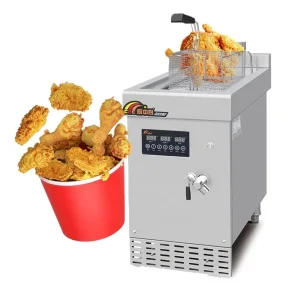
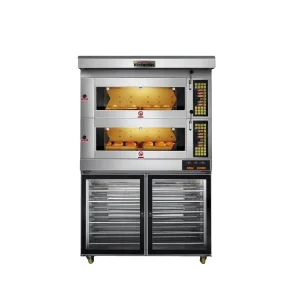
Quick-service restaurants (QSR) in the US and Canada focus on integrating beverage programs with existing kitchen lines. Heavy-duty fryers, combination steam ovens, and automated dispensers must work in tandem. Strict adherence to NSF/ANSI standards for sanitation and cleanability is crucial, making polished stainless steel finishes and toolless disassembly essential.
The commercial food and beverage equipment industry is experiencing a massive shift towards smart automation, energy conservation, and predictive maintenance. Key trends include:
For procurement managers and distributors, sourcing commercial kitchen equipment is a high-stakes decision. Evaluating potential factory partners requires strict vetting parameters:
Verify that the factory possesses legitimate certificates issued by recognized testing bodies (e.g., CE, TUV, SGS) covering both electrical safety and food contact materials compliance.
Evaluate the construction quality. Premium equipment must feature SUS304 stainless steel frame components, heavy-duty electronics, and reliable mechanical systems designed for industrial use.
Ensure the factory has adequate production space, quality laboratories, and logistics pipelines to fulfill bulk orders on schedule without compromising on quality checks.
Guangzhou Chef Nest Kitchen Co., Ltd. is a professional manufacturer and supplier specializing in high-quality kitchen appliances and commercial cooking solutions. Located in Guangzhou, Guangdong Province, one of China’s leading industrial and trade hubs, the company benefits from a strategic location with convenient access to domestic and international markets. Covering an area of over 10,000 square meters, Chef Nest Kitchen operates modern production facilities equipped with advanced assembly lines, quality inspection laboratories, and efficient logistics systems. The company focuses on designing and producing innovative, durable, and user-friendly kitchen products that meet the diverse needs of restaurants, hotels, catering services, and households worldwide.
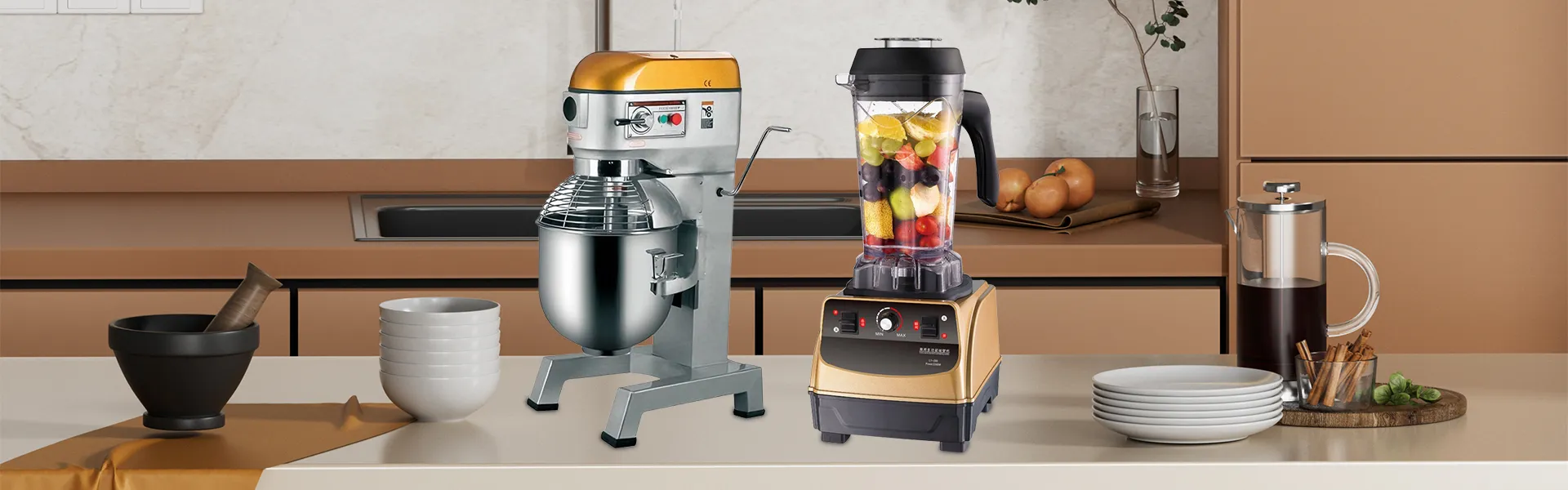
Since its establishment, Guangzhou Chef Nest Kitchen has grown steadily, expanding both its product portfolio and market reach. The company’s offerings include commercial ovens, electric cooking appliances, food processors, beverage machines, and other kitchen equipment designed for efficiency and safety. Over the past decade, Chef Nest Kitchen has invested in research and development, enabling it to launch a series of products that combine smart functionality, energy efficiency, and ergonomic design. With a strong emphasis on quality management, the company ensures that every product undergoes rigorous testing before leaving the factory.
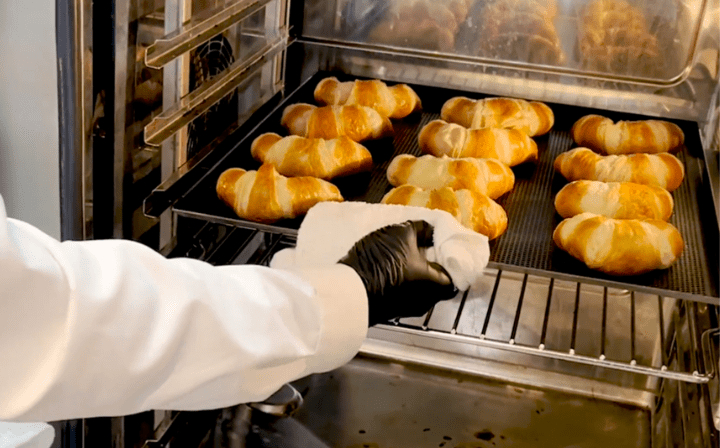
Guangzhou Chef Nest Kitchen employs over 150 skilled professionals, including engineers, technical specialists, quality inspectors, and sales personnel. This team is dedicated to providing exceptional customer service and technical support to clients worldwide. Guided by principles of innovation, reliability, and customer satisfaction, Guangzhou Chef Nest Kitchen Co., Ltd. continues to expand its global footprint, offering trusted kitchen solutions and building long-term partnerships with distributors, restaurants, and catering enterprises in multiple regions.
Get answers to critical technical questions to help you make informed procurement choices for your beverage and food service equipment needs.
CE certification proves that the machine meets safety, health, and environmental protection requirements in the European Economic Area (EEA). It ensures electrical wiring safety, pressure control, and reliable emergency mechanisms, reducing liability risks for business owners.
Industrial kitchens use SUS304 or SUS316 food-grade stainless steel. These materials offer high resistance to corrosion, are easy to clean, and handle constant contact with water, heat, and organic cleaning agents without degrading.
Advanced controllers regulate temperature levels and mixing speeds using presets. This standardization prevents burnt batches, guarantees uniform texture, and significantly reduces clean-up times.
Yes, Chef Nest Kitchen supports global voltage variations (such as 220V/50Hz for Europe/Asia and 110V/60Hz or 220V/60Hz for North and South American markets), ensuring safe integration with local electrical panels.
Every machine is subjected to testing under load, insulation checks, and mechanical stress tests in the quality inspection laboratory before packaging and dispatch.
Explore additional high-performance solutions for mixers, high-capacity fryers, pressure kettles, and advanced pastry processing lines.
 Chef Nest Kitchen