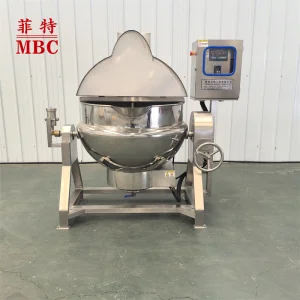
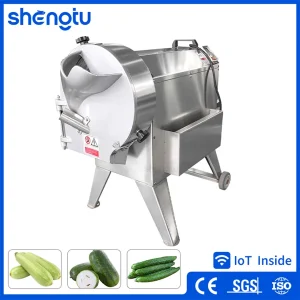
High-efficiency thermal systems and food processing machinery engineered for heavy-duty commercial configurations.
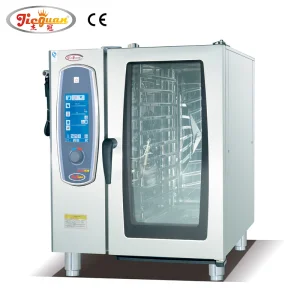
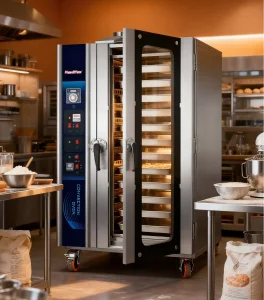
The global commercial food service market is undergoing a rapid technological evolution driven by energy efficiency directives, rising labor costs, and the strict need for culinary consistency. At the heart of this kitchen revolution is the commercial convection oven. Unlike static heat systems, convection technology employs high-velocity fans to circulate hot air throughout the cooking chamber, actively reducing the thermal boundary layer around the food product. This results in cooking speeds up to 30% faster and a significantly lower energy footprint.
For B2B buyers, sourcing from a certified China wholesale convection oven supplier is no longer just a cost-saving measure; it is a strategic step toward securing high-performing, resilient supply chains. The international demand spans multiple key segments: Quick Service Restaurants (QSRs) requiring modular countertop ovens, medium-to-large scale industrial bakeries relying on high-capacity multi-rack systems, and marine/hospitality catering operations seeking highly insulated, rugged units. Meeting these global criteria demands advanced thermal engineering and strict compliance with global food safety standards.
By leveraging dynamic heat distribution, modern convection ovens minimize preheating durations and lower peak electricity loads, producing immense bottom-line savings for international kitchens.
Global procurement channels require certifications such as CE, FDA, and NSF. Top-tier manufacturers utilize food-grade SUS304 stainless steel to ensure sanitation and robust corrosion resistance.
Modern ovens feature digital humidity injection and programmable multi-step baking curves, giving bakeries micro-level control over moisture expansion and crumb formation.
Thermal efficiency in commercial ovens is determined by the precise distribution of air inside the baking chamber. Modern convection systems utilize strategically engineered air ducts and variable-speed reversing fans to prevent hot spots. When hot air circulation alternates direction, it delivers uniform heat transfer across all trays, eliminating the need to manually rotate racks during operations.
Furthermore, integrating direct steam-injection systems within the oven cavity allows chefs and commercial bakers to program moisture levels during critical baking phases. In the early stages of bread baking, moisture condenses on the cold dough surface, allowing the yeast to expand fully before the crust hardens. This complex synchronization of temperature, humidity, and airflow velocity defines high-performing ovens and drives productivity for professional food service venues worldwide.
Guangzhou Chef Nest Kitchen Co., Ltd. is a leading manufacturer specializing in professional-grade commercial kitchen equipment and innovative thermal cooking solutions. Situated in Guangzhou, Guangdong Province, one of China's primary industrial and commercial trading hubs, the company is strategically positioned with access to direct logistics channels that streamline distribution to international markets.
Covering an expansive production zone of over 10,000 square meters, Chef Nest Kitchen operates a facility equipped with advanced automated metal-processing machinery, automated laser cutting lines, and precision welding equipment. Our dedicated manufacturing floors feature specialized assembly lines, comprehensive quality-testing laboratories, and highly organized logistics hubs. Our core focus centers on designing, engineering, and manufacturing durable, highly reliable, and energy-conscious kitchen appliances designed to meet the demands of global hospitality, baking, and catering sectors.
Our workforce features a team of over 150 skilled professionals, including mechanical engineers, quality controllers, electrical specialists, and overseas customer service staff. Over the past decade, we have heavily funded our R&D division, enabling us to introduce a series of advanced kitchen products that combine ergonomic physical designs with intuitive controls. With strict quality systems governing our processes, every commercial unit undergoes comprehensive electric safety testing, thermal leakage checks, and structural verification before shipment.
Commercial convection ovens are versatile solutions applied across diverse professional culinary platforms, each demanding specific technical configurations:
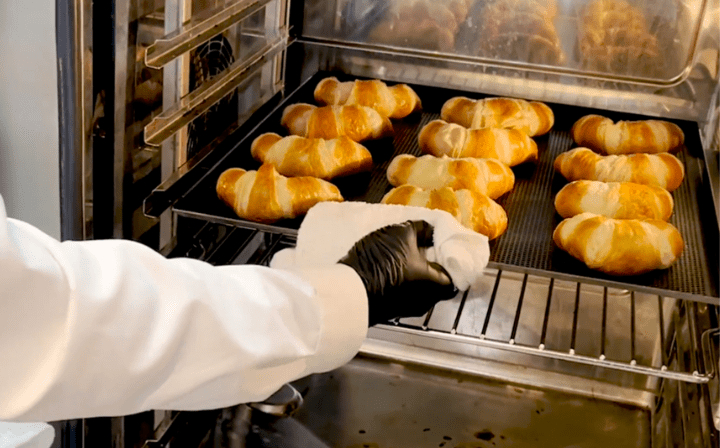
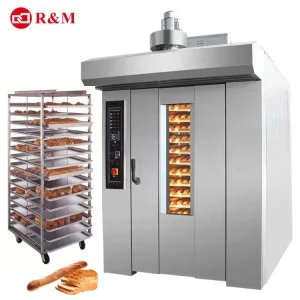
For bakeries, maintaining control over the baking chamber microclimate is critical. The combination of steam injection systems and precise airflow allows bakers to produce baguettes, croissants, and pastries with optimal oven spring, glossy crust development, and uniform crumb structures.
In high-throughput fast-food networks, speed and consistency are the main operational metrics. Compact countertop convection ovens deliver rapid recovery times, allowing franchise locations to roast, bake, and reheat food items quickly without variance in quality.
For high-capacity banquet facilities and corporate cafeterias, double-stacked roll-in rack convection ovens provide the scale required to prepare hundreds of meals simultaneously. These configurations maintain even heating across dozens of racks, preserving the moisture and texture of proteins and vegetables.
For global procurement managers and kitchen equipment suppliers, choosing the right convection oven configuration requires evaluating several technical specifications to optimize the Total Cost of Ownership (TCO):
Deciding between electric and gas models is a primary step in B2B procurement. Gas convection ovens (utilizing natural gas or liquid propane) have higher upfront capital costs but offer lower operational costs in areas with high electricity rates. Electric convection models offer simpler installation requirements and finer control over digital cooking profiles, making them popular for modular multi-unit franchise layouts.
High-efficiency convection ovens feature multi-layer ceramic insulation and heavy-duty silicone door gaskets. This combination minimizes thermal bridging to the outer kitchen environment, lowering air-conditioning loads and protecting staff from burn risks. Sound-insulated fan assemblies also help maintain a safer, quieter working environment.
The industry is transitioning toward connected appliances. Modern convection systems feature programmable PLC interfaces, allowing kitchen managers to upload recipe parameters via USB or cloud networks. Real-time diagnostic monitors alert technicians of component wear before a failure occurs, reducing unexpected downtime.
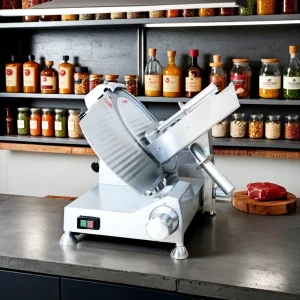
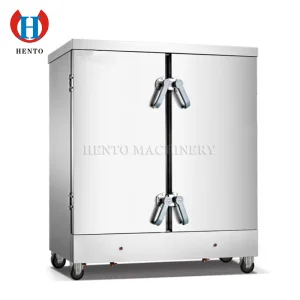
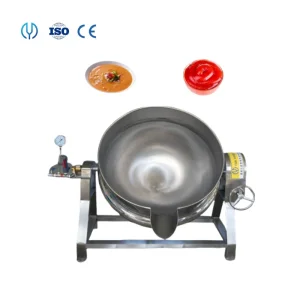
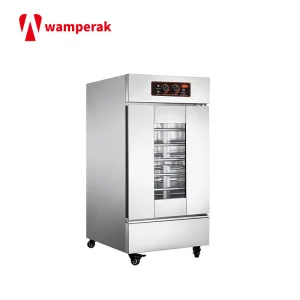
Explore our full line of bakery ovens, meat processors, and heavy-duty cooking vessels engineered for maximum yield.
Detailed answers to critical engineering, manufacturing, and operational questions for B2B buyers.
 Chef Nest Kitchen