Analyzing China's Leading Electric Cooking Appliance Sourcing Ecosystem
In the rapidly evolving global foodservice sector, the demand for high-efficiency, multi-functional thermal processing systems has reached unprecedented heights. Sourcing teams from hospitality chains, food production plants, and commercial kitchen suppliers are looking beyond basic components to prioritize thermal recovery speed, structural integrity, and electronic precision. Sourcing from a top-tier factory provides direct access to these technological improvements.
An Electric Skillet / Commercial Braising Pan represents the core of high-output cooking lines. By combining direct contact heating with robust, high-volume pans (such as modern jacketed systems and commercial convection systems), these appliances allow operators to sear, braise, boil, and steam within a single footprint. China's manufacturing clusters in Guangzhou offer advanced vertical integration, merging food-grade metallurgy with smart electronic controllers.
A Professional Pioneer in Commercial Cooking Solutions & Kitchen Equipment Sourcing
Guangzhou Chef Nest Kitchen Co., Ltd. is a professional manufacturer and supplier specializing in high-quality kitchen appliances and commercial cooking solutions. Located in Guangzhou, Guangdong Province, one of China's leading industrial and trade hubs, the company benefits from a strategic location with convenient access to domestic and international markets.
Covering an area of over 10,000 square meters, Chef Nest Kitchen operates modern production facilities equipped with advanced assembly lines, quality inspection laboratories, and efficient logistics systems. The company focuses on designing and producing innovative, durable, and user-friendly kitchen products that meet the diverse needs of restaurants, hotels, catering services, and households worldwide.
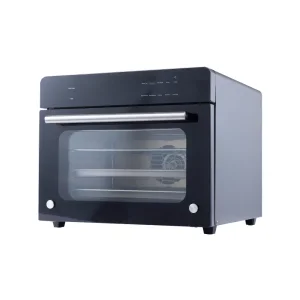
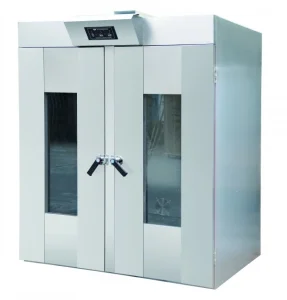
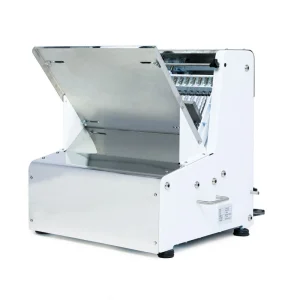
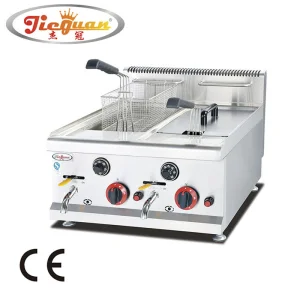
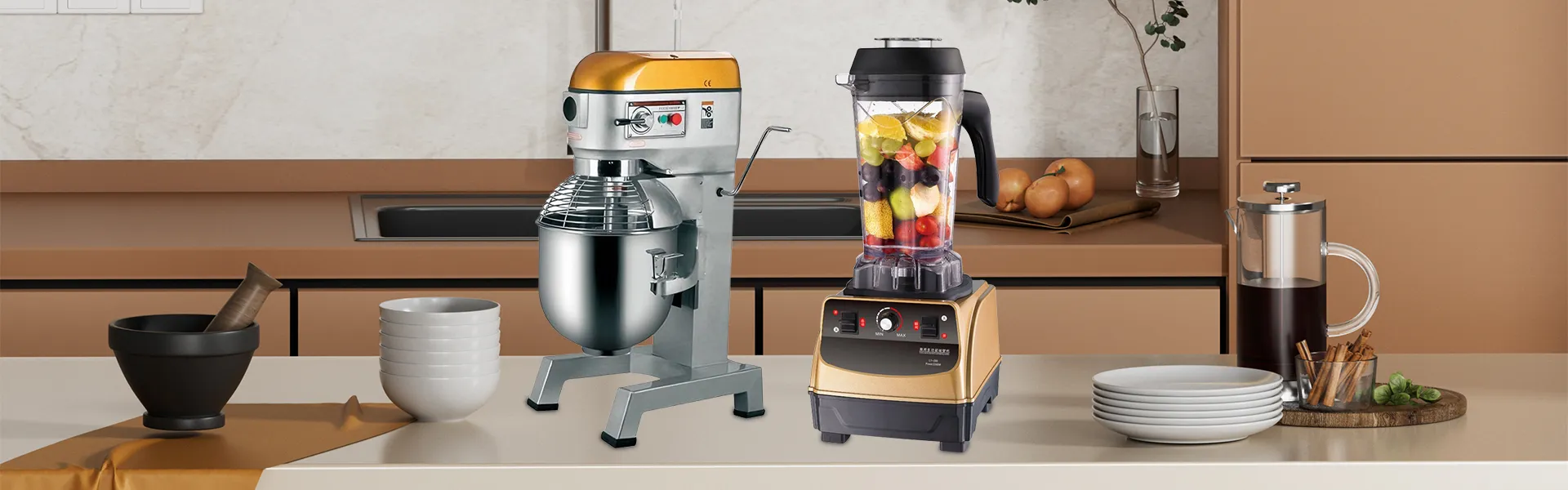
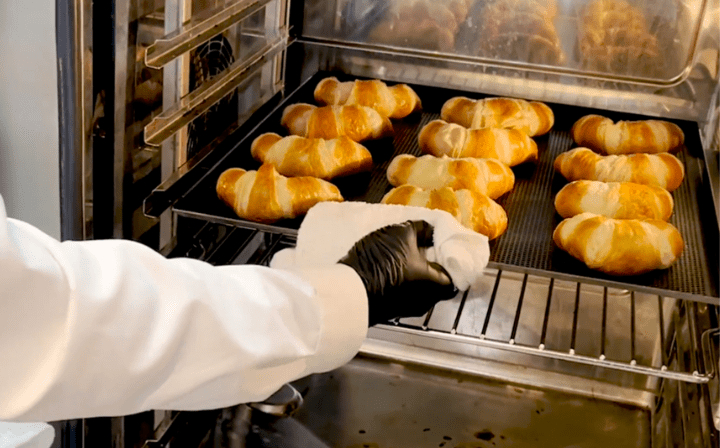
Since its establishment, Guangzhou Chef Nest Kitchen has grown steadily, expanding both its product portfolio and market reach. The company's offerings include commercial ovens, electric cooking appliances, food processors, beverage machines, and other kitchen equipment designed for efficiency and safety. Over the past decade, Chef Nest Kitchen has invested in research and development, enabling it to launch a series of products that combine smart functionality, energy efficiency, and ergonomic design. With a strong emphasis on quality management, the company ensures that every product undergoes rigorous testing before leaving the factory.
Guangzhou Chef Nest Kitchen employs over 150 skilled professionals, including engineers, technical specialists, quality inspectors, and sales personnel. This team is dedicated to providing exceptional customer service and technical support to clients worldwide. Guided by principles of innovation, reliability, and customer satisfaction, Guangzhou Chef Nest Kitchen Co., Ltd. continues to expand its global footprint, offering trusted kitchen solutions and building long-term partnerships with distributors, restaurants, and catering enterprises in multiple regions.
Technological Shifts Reshaping High-Capacity Thermal Systems
Traditional mechanical thermostats are being replaced by PID controllers. Digital interfaces provide precise heat settings down to ±1°C, reducing energy consumption and ensuring high repeatability in large-scale food preparation.
Modern commercial skillets use multi-clad materials (e.g., aluminum sandwiched between stainless steel layers). This structure solves the issue of cold spots, ensuring uniform thermal distribution and reducing cleaning times.
As commercial kitchens move away from gas systems, high-voltage electric heating technologies (including direct-element casting and induction) are now key standards for international tenders.
By casting tubular heating elements directly into aluminum-core alloy bases, contemporary electric skillets avoid the thermal loss associated with air gaps. This design delivers up to 92% thermal efficiency compared to traditional commercial burners.
Self-locking mechanical tilting systems, dual-wall insulation, and IPX6 water-resistant electronic enclosures protect kitchen staff while extending the working life of the equipment.
B2B buyers, distributors, and kitchen equipment engineers face strict criteria when sourcing electric cooking equipment. High shipping rates, voltage differences (e.g., US 208V/240V 3-phase vs. EU 380V/415V 3-phase), and food safety compliance make selecting a manufacturer a complex task. Sourcing directly from an established factory helps address these challenges.
An experienced OEM partner understands how to design equipment for simple maintenance. Key issues like thermostatic failure, element burnout, and seal deterioration must be addressed at the engineering phase.
Before finalizing orders with any commercial skillet or oven manufacturer, ensure they provide:
Optimizing Workflow and Yield with Commercial Foodservice Technology
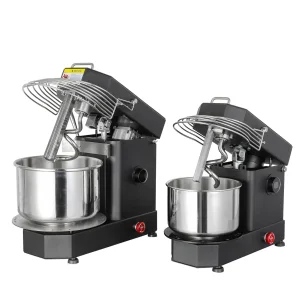
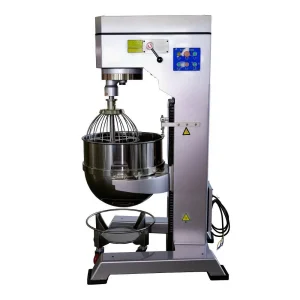
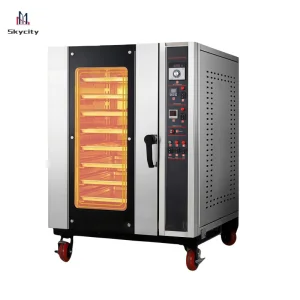
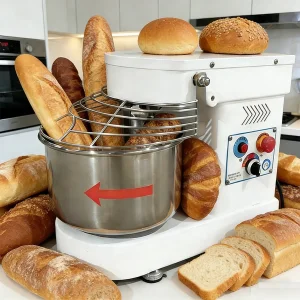
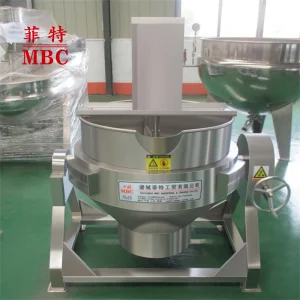
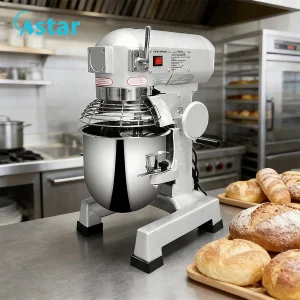
Aligning high-capacity electric mixers, jacketed pressure cookers, and modular ovens to create consistent production lines for franchise operations.
Specifying thick-plate heating cores that maintain stable temperatures even when handling large batches of frozen or cold ingredients.
Implementing auto-cutoff switches, manual pressure-release valves, and high-limit safety cutouts to ensure safe operation in fast-paced commercial kitchens.
Ensuring Regulatory Alignment for Seamless Sourcing
Entering competitive markets like North America and the European Union requires strict compliance with local safety standards. Sourcing from factories that do not offer certified products can lead to customs holds, distributor liability, and operational issues.
An experienced commercial appliance manufacturer should provide comprehensive certification engineering, including:
Every unit produced at Chef Nest Kitchen undergoes a multi-stage testing process before shipment:
Next-Generation Enhancements in Commercial Kitchen Design
Moving from traditional heating elements to high-frequency induction fields, achieving up to 95% heat-transfer efficiency and reducing prep times.
Integrating Bluetooth and Wi-Fi modules for real-time temperature tracking, helping commercial operators easily maintain HACCP records.
Developing non-stick coatings and automated spray systems to reduce manual cleaning requirements in high-volume settings.
Helping Sourcing Directors Make Informed Decisions
 Chef Nest Kitchen