In the contemporary global food manufacturing and hospitality sector, pasta has evolved from a basic starch commodity into a highly specialized culinary canvas. The demand for gluten-free matrixes, high-protein flour alternatives, and bespoke geometric designs has compelled commercial kitchens and industrial food processors to seek highly adaptable machinery. As a premier Custom OEM Pasta Maker Manufacturer & Supplier, we stand at the nexus of traditional Italian extrusion principles and cutting-edge Asian manufacturing precision, offering comprehensive, end-to-end design engineering services that allow global brands to scale production without sacrificing product integrity.
Every commercial pasta maker engineered by our OEM team features a meticulously balanced mechanical and thermodynamic assembly. Extrusion isn't merely forcing dough through a template; it is a high-precision thermodynamic process where heat, pressure, and mechanical shear must be strictly controlled.
Dual-stage vacuum paddle mixers eliminate air micro-bubbles in the dough. This vacuum mixing technology increases tensile strength, resulting in bright, amber-colored pasta with no white spots and uniform hydration profile.
Interchangeable bronze and Teflon extrusion dies. Bronze creates a highly porous surface texture (ideal for gripping sauces), whereas Teflon creates ultra-smooth, translucent surfaces preferred for dried packaged retail products.
Integrated liquid cooling jackets surround the main barrel. By strictly maintaining the extrusion chamber temperature below 45°C, we protect the fragile starch matrix from pre-gelatinizing prior to drying or cooking.
Our OEM capabilities extend to designing customized extruder components that process up to 500 kilograms per hour for industrial lines, while maintaining compact, easily sanitizable configurations for commercial kitchens, bistros, and franchise operations.
To truly understand the reliability behind our machinery, we must look at the physical production capabilities and corporate structure. Guangzhou Chef Nest Kitchen Co., Ltd. stands as a cornerstone of high-performance food processing technology, extending its design methodologies directly into specialized commercial pasta production equipment.
Guangzhou Chef Nest Kitchen Co., Ltd. is a professional manufacturer and supplier specializing in high-quality kitchen appliances and commercial cooking solutions. Located in Guangzhou, Guangdong Province, one of China’s leading industrial and trade hubs, the company benefits from a strategic location with convenient access to domestic and international markets. Covering an area of over 10,000 square meters, Chef Nest Kitchen operates modern production facilities equipped with advanced assembly lines, quality inspection laboratories, and efficient logistics systems. The company focuses on designing and producing innovative, durable, and user-friendly kitchen products that meet the diverse needs of restaurants, hotels, catering services, and households worldwide.
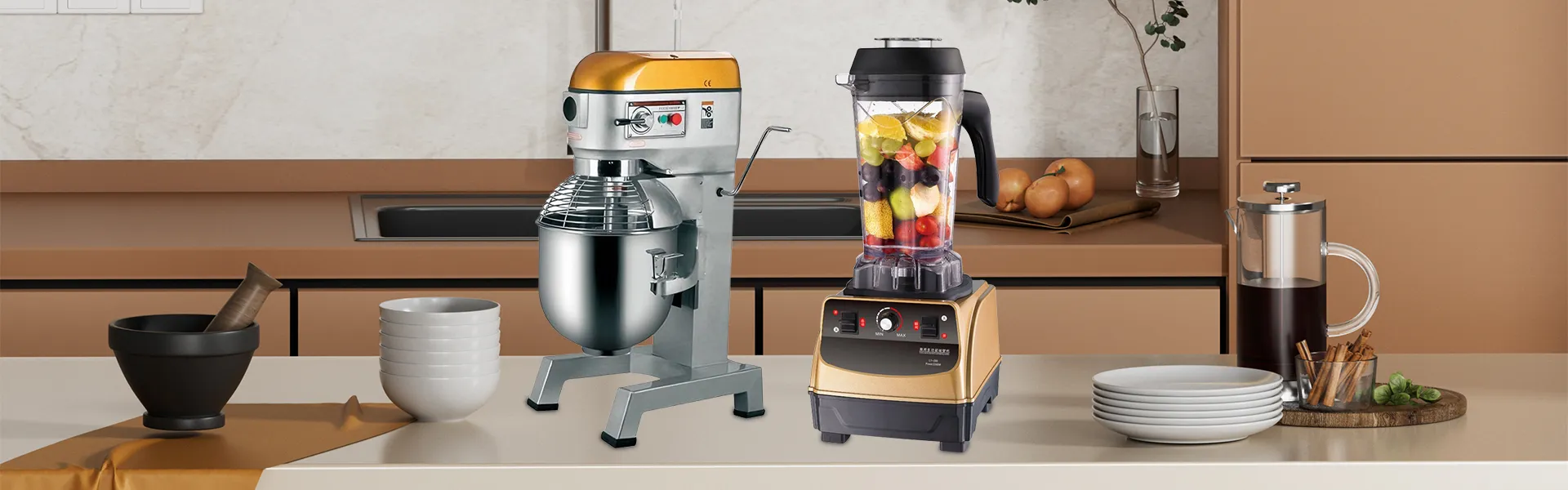
Since its establishment, Guangzhou Chef Nest Kitchen has grown steadily, expanding both its product portfolio and market reach. The company’s offerings include commercial ovens, electric cooking appliances, food processors, beverage machines, and other kitchen equipment designed for efficiency and safety. Over the past decade, Chef Nest Kitchen has invested in research and development, enabling it to launch a series of products that combine smart functionality, energy efficiency, and ergonomic design. With a strong emphasis on quality management, the company ensures that every product undergoes rigorous testing before leaving the factory.
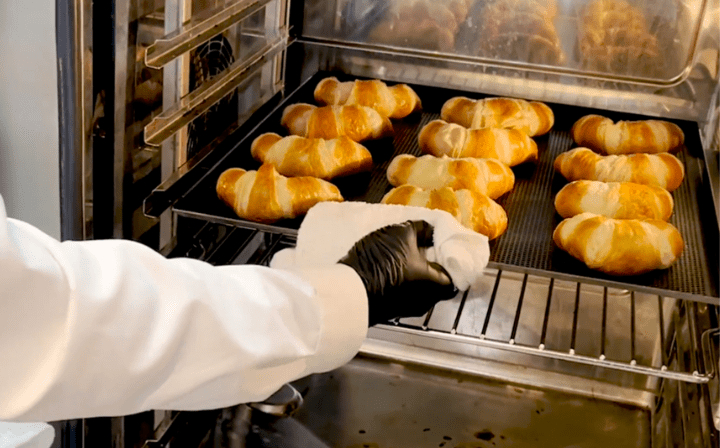
Guangzhou Chef Nest Kitchen employs over 150 skilled professionals, including engineers, technical specialists, quality inspectors, and sales personnel. This team is dedicated to providing exceptional customer service and technical support to clients worldwide. Guided by principles of innovation, reliability, and customer satisfaction, Guangzhou Chef Nest Kitchen Co., Ltd. continues to expand its global footprint, offering trusted kitchen solutions and building long-term partnerships with distributors, restaurants, and catering enterprises in multiple regions.
Operating globally requires recognizing that food safety standards, kitchen environments, and consumers' palates vary drastically across international lines. When working as an OEM supplier, we tailor the electrical systems, safety guards, and material structures of our pasta makers to align with regional standards.
North American markets demand robust heavy-duty motors (typically 220V/60Hz or 3-phase power configurations) that comply strictly with sanitation requirements. All surfaces must be fully cleanable without tools. Our custom lines integrate heavy-gauge SUS304 steel and quick-release components to pass local health inspection audits with ease.
EU operators require precise motor controllers and strict safety interlocks. If a mixer hopper is opened by 5mm, the machine must cease operation in under 0.5 seconds. Our EU-focused OEM products incorporate magnetic safety switches, dual-channel emergency relays, and eco-efficient variable frequency drives (VFD) to meet strict energy conservation goals.
In rapidly expanding APAC urban centers, commercial space is at an absolute premium. Operators require high-output, compact desktop extruders that can seamlessly transition between Chinese alkaline wheat noodles, Japanese ramen noodles, and traditional Western durum pasta. Our localized designs offer space-saving footprints with dual-cooled chambers.
At Chef Nest Kitchen, our research and development labs are constantly mapping out the next decade of commercial pasta maker engineering. Our technology roadmap focuses on three key pillars: Automation, Smart Diagnostics, and Eco-Efficiency.
Future generations of commercial pasta extruders will include embedded humidity and temperature sensors connected to cloud platforms. Chefs and manufacturing supervisors can monitor live extrusion pressure (PSI) and moisture percentages in real-time, allowing automatic adjustments to water inlet flow rates on the fly to prevent batch failures.
We are currently testing advanced food-safe nanocomposite coatings for our screws and barrels. These coatings reduce friction, lower heat generation by up to 25%, and increase the wear resistance life cycle of the screw by three-fold when dealing with abrasive gluten-free flours like brown rice or green lentil powder.
By partnering with Chef Nest Kitchen, OEM buyers are not just acquiring current machinery; they are aligning themselves with a forward-thinking research ecosystem committed to staying ahead of global regulations and food safety evolutions.
Guangzhou is globally recognized as the epicentre of precision manufacturing and metalworking supply chains. Operating a 10,000+ square meter factory in this zone offers our international partners massive strategic advantages that directly lower total cost of ownership (TCO) and reduce lead times.
We source certified SUS304 and SUS316 food-grade stainless steel directly from adjacent mills. This proximity ensures traceable materials and protects our manufacturing pipeline from price shocks or steel grade inconsistencies.
Equipped with internal CNC machining hubs and automated laser cutting setups, we can transition a custom-molded OEM design from CAD files to a physical test-fit prototype in as little as 14 business days.
Our proximity to Nansha Port, Shenzhen Port, and Guangzhou Baiyun International Airport guarantees fast freight booking, optimized container loading, and seamless customs clearance processing.
Find detailed answers to critical engineering, customization, and logistics inquiries from our technical desk.
 Chef Nest Kitchen