Select high-performance industrial machinery featuring advanced engineering, food-grade materials, and optimized energy efficiency.
Decoding thermal convection, heat recovery ratios, and the evolving footprint of industrial roasting technologies.
In modern high-capacity foodservice environments, the commercial rotisserie oven serves as a core engine for high-margin revenue. From supermarkets to dedicated rotisserie chains and high-volume catering enterprises, the selection of the correct cooking hardware determines not just food quality, but long-term energy overhead and operational throughput.
Globally, the commercial rotisserie oven market has transitioned from simple radiant-heat configurations to complex, microprocessor-controlled multi-burner convection units. Operators today demand uniform heat distribution, reduced heat recovery times, and intuitive digital interfaces that lower training requirements for kitchen staff. As culinary automation accelerates, leading factories are integrating dual-rotation planetary gear systems with programmable humidity controls, ensuring maximum yields and minimal moisture loss.
The industrial landscape is divided between local regional assembly houses and massive manufacturing clusters, primarily based in Southern China, Northern Italy, and the Midwestern United States. These key hubs determine global pricing corridors and technological trends for international logistics chains.
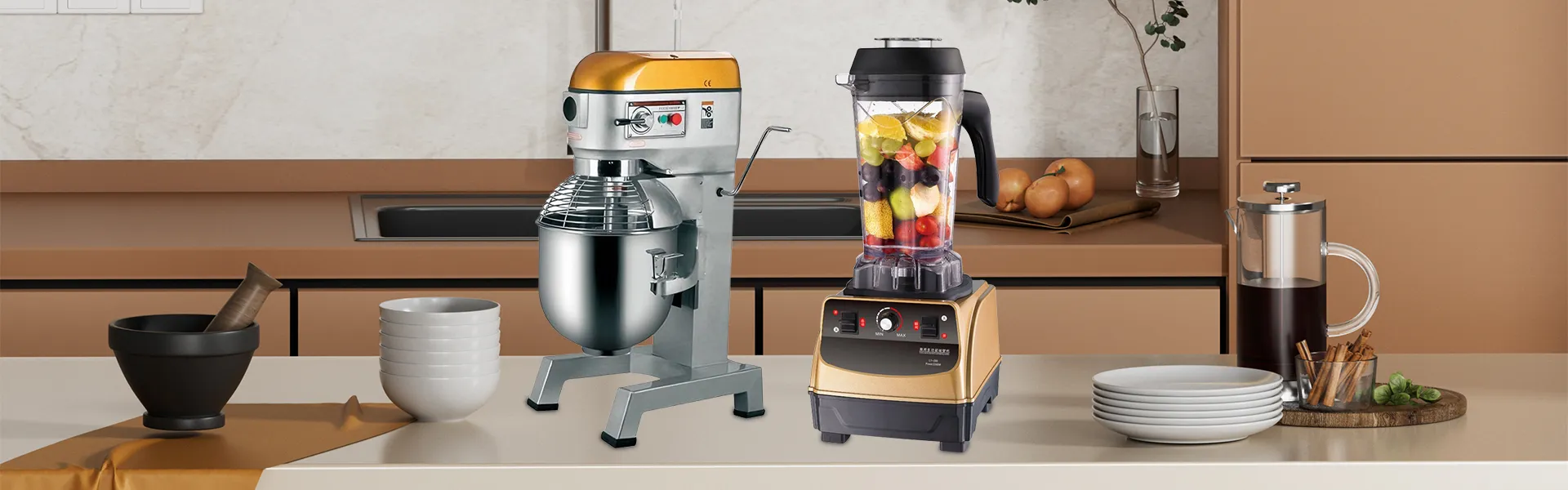
Production Facility Area
Engineers & Specialists
Rigorous Testing Standards
A rigorous framework detailing the mechanical, thermal, and compliance requirements of elite OEM/ODM suppliers.
Selecting the top 10 global suppliers requires looking past simple brochures. True E-E-A-T (Experience, Expertise, Authoritativeness, and Trustworthiness) in cooking equipment production is evaluated through key technical vectors:
Use of AISI 304 or AISI 316 stainless steel with minimum 1.2mm gauge thickness prevents chassis warping under high temperature loads. Planetary drive systems must feature reinforced copper worm gears and heavy-duty electric motors designed for continuous 24/7 cycles.
Advanced insulation (high-density rock wool or ceramic fiber blankets) minimizes heat loss to the ambient kitchen environment. High-efficiency burners or sheathed electric elements must feature variable-frequency control systems for precise thermal profiles.
Top-tier factories must possess global safety approvals: CE (Europe), NSF/ANSI 4 (Sanitation for Commercial Cooking Equipment), and UL/cUL (Electrical Safety for North America). Compliance guarantees seamless imports and local commercial permits.
Leading manufacturers like Guangzhou Chef Nest Kitchen Co., Ltd. benchmark their R&D divisions against these exact metrics. By matching advanced manufacturing processes with a dedicated team of over 150 skilled professionals, they supply globally certified products to high-standard markets in North America, Western Europe, and Southeast Asia.
Customizing heat transfer mechanisms, voltage configurations, and sanitation protocols for local demands.
| Region / Market | Primary Heating Type | Voltage & Phase Requirements | Core Sanitation / Compliance Need | Key Product Focus |
|---|---|---|---|---|
| North America (Supermarket Chains) | High-Output Electric / Natural Gas | 208V / 240V / 480V 3-Phase 60Hz | NSF/ANSI 4 & UL 197 Standards | Large-capacity planetary spit systems (30-40 birds/batch) |
| Western Europe (Bistros & Delis) | Radiant Gas / Glass Ceramic Infrared | 380V - 415V 3-Phase 50Hz | CE Certification & Gas Appliances Regulation | Front-of-house showpiece roasting racks with curved glass doors |
| Southeast Asia (QSR & Food Courts) | Electric Convection / LPG Gas | 220V 1-Phase / 380V 3-Phase 50Hz | GB Standards & Local Gas Bureau approvals | Vertical rotary units with compact footprints and low maintenance |
| Latin America (Steakhouses / Asadores) | Charcoal / Wood / Gas Combos | 220V 1-Phase or 3-Phase 60Hz | High-durability mechanical systems | Heavy-duty open-spit skewers with manual gear overrides |
Understanding these regional variations is vital for distributors. An imported rotisserie oven that lacks appropriate voltage configurations or safety certifications will fail during local installation inspections, leading to project delays and high replacement costs. Manufacturers like Guangzhou Chef Nest Kitchen Co., Ltd. address this by offering customized wiring harnesses, transformer modules, and localized control panel interfaces to fit the target market's specific electrical and regulatory ecosystem.
Exploring the integration of IoT diagnostic protocols, automated cleaning loops, and energy-recovery systems.
The global regulatory shift toward carbon neutrality and energy efficiency is forcing a redesign of traditional heating systems. The modern commercial rotisserie is no longer just a mechanical spit under a flame; it is an optimized thermal chamber managed by intelligent firmware.
Standard mechanical thermostats experience temperature swings of up to ±15°C. Modern digital control loops utilize Proportional-Integral-Derivative (PID) algorithms to monitor interior conditions, modulating energy input to maintain precise ±1°C stability. This prevents product shrinkage and saves up to 18% in energy consumption.
Cleanliness is a major operational challenge. Advanced rotisseries now feature integrated high-temperature steam and wash cycles. With food-safe detergent sprayers and automated grease separation systems, these units minimize labor costs while preventing cross-contamination.
By routing exhaust heat through integrated heat exchangers, new-generation ovens pre-heat incoming ambient air before it reaches the heating elements. This process reduces the energy required to maintain high cooking temperatures, lowering kitchen HVAC cooling loads.
For B2B buyers, investing in technology with built-in energy saving features offers a rapid return on investment. With energy costs rising worldwide, a 15% reduction in daily electricity or gas usage can save thousands of dollars per unit annually. This makes energy-efficient designs a key selling point for distributors.
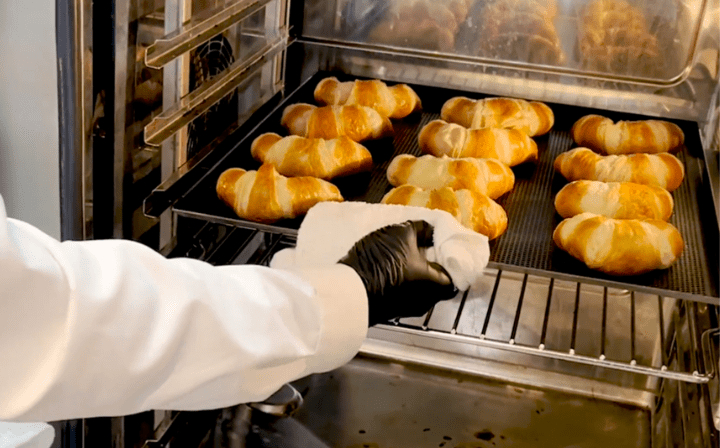
Established as an industry leader in Southern China, Guangzhou Chef Nest Kitchen Co., Ltd. is a premier manufacturer and supplier specializing in high-quality commercial kitchen appliances. Located strategically in Guangzhou, Guangdong Province—the heart of global kitchen machinery logistics—the company manages modern production facilities spanning over 10,000 square meters.
Equipped with state-of-the-art automated assembly lines, precision sheet metal laser cutters, CNC bending machines, and certified quality testing laboratories, Chef Nest ensures every unit meets global standards. The workforce includes more than 150 skilled professionals—including dedicated thermal engineers, electrical QA specialists, and global logistics experts. Their extensive catalog includes commercial ovens, planetary mixers, high-efficiency slicers, and customized cooking lines built to withstand the demands of heavy commercial kitchens.
Chef Nest’s continuous investment in R&D enables the company to launch products combining energy efficiency, ergonomics, and robust safety mechanisms. By maintaining a strict quality management system, they provide reliable kitchen equipment and long-term support for distributors, restaurant chains, and catering suppliers globally.
How leading manufacturers mitigate shipping risks, provide spare parts support, and manage global supply chains.
Procuring commercial equipment from overseas factories requires careful logistics planning. Heavy steel machinery is vulnerable to saltwater corrosion, structural impact, and electrical damage during long ocean transit. Leading exporters like Chef Nest Kitchen minimize these risks with seaworthy, heavy-duty wooden crate packaging, vapor-corrosion-inhibitor (VCI) bagging, and reinforced chassis bracing.
Beyond shipping, long-term operational success depends on spare parts availability. A broken heating element or drive motor can shut down a deli counter, costing thousands in lost revenue daily. Authoritative suppliers protect their clients by:
Answers to critical technical, regulatory, and purchasing questions from commercial buyers.
Discover more specialized commercial kitchen machines engineered for high efficiency and long-term durability.
 Chef Nest Kitchen