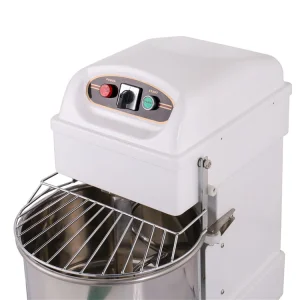
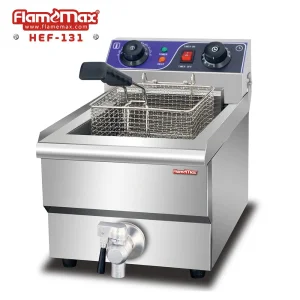
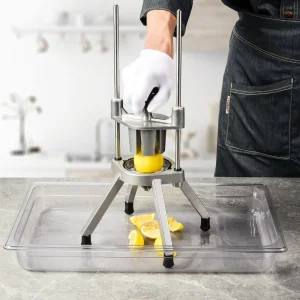
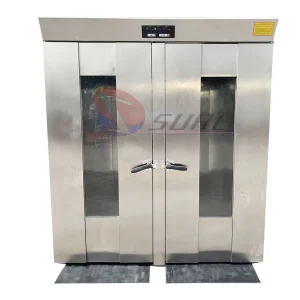
Explore our primary array of high-precision commercial food preparation and carbonated beverage handling machinery engineered for high-throughput enterprise environments.
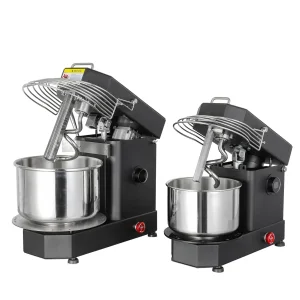
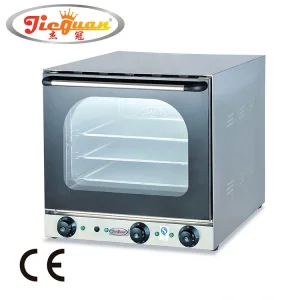
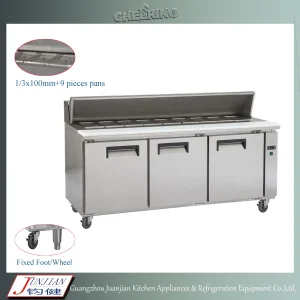
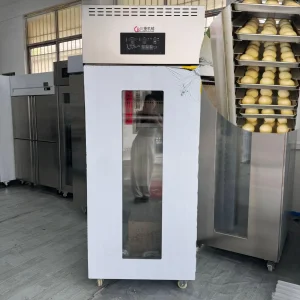
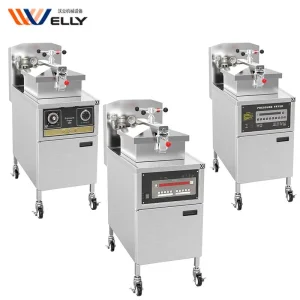

The global commercial beverage and food service equipment market is undergoing a seismic transformation driven by technological integration, eco-friendly refrigerants, and demand for automated post-mix dispensing systems. When international enterprise buyers search for terms surrounding Top China Soda Dispenser Factories & Factory setups, the modern search intent extends far beyond mere cost-per-unit metrics. Sourcing directors, franchise owners, and commercial kitchen outfitters demand technical rigors: carbonation stability, micro-ratio syrup calibration, thermal performance, and compliance with stringent international health codes (such as NSF/ANSI 18, CE, and ETL standardizations).
China has firmly established itself as the epicenter of advanced commercial beverage machine manufacturing, shifting from low-cost assembly to precision-engineered OEM and ODM solutions. Factories situated in key industrial hubs like Guangdong Province leverage comprehensive supply chain clusters, integrating stainless steel fabrication, compressor engineering, IoT circuit design, and fluid dynamic testing under a single unified ecosystem.
Guangzhou Chef Nest Kitchen Co., Ltd. is a professional manufacturer and supplier specializing in high-quality kitchen appliances and commercial cooking solutions. Located in Guangzhou, Guangdong Province, one of China’s leading industrial and trade hubs, the company benefits from a strategic location with convenient access to domestic and international markets. Covering an area of over 10,000 square meters, Chef Nest Kitchen operates modern production facilities equipped with advanced assembly lines, quality inspection laboratories, and efficient logistics systems. The company focuses on designing and producing innovative, durable, and user-friendly kitchen products that meet the diverse needs of restaurants, hotels, catering services, and households worldwide.
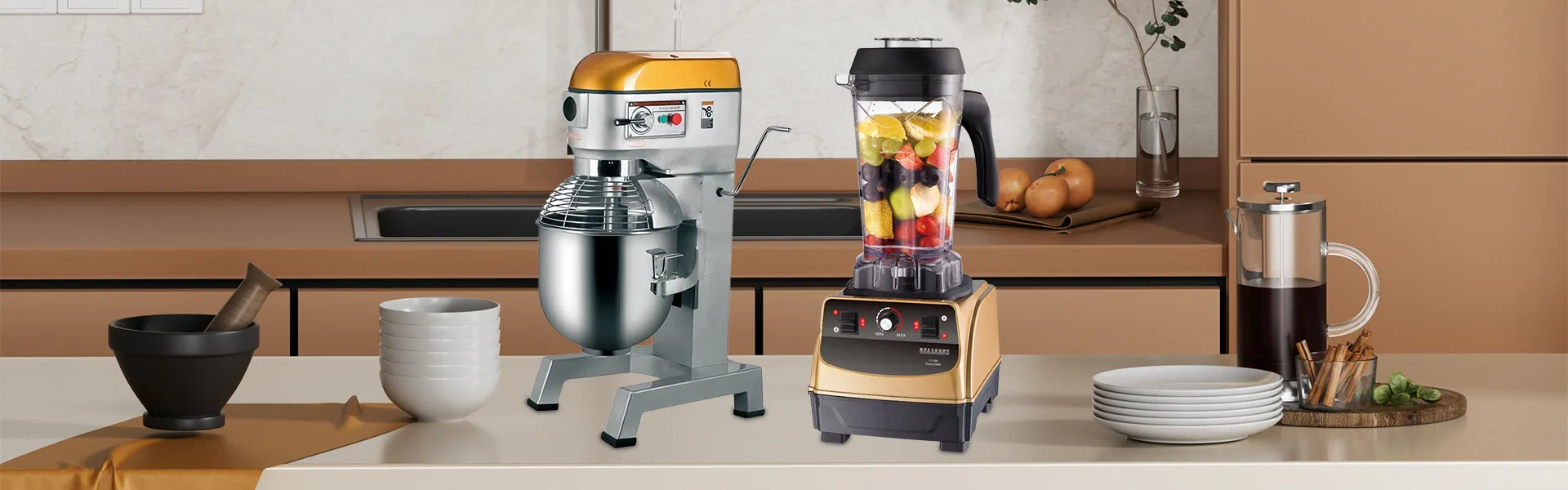
Since its establishment, Guangzhou Chef Nest Kitchen has grown steadily, expanding both its product portfolio and market reach. The company’s offerings include commercial ovens, electric cooking appliances, food processors, beverage machines, and other kitchen equipment designed for efficiency and safety. Over the past decade, Chef Nest Kitchen has invested in research and development, enabling it to launch a series of products that combine smart functionality, energy efficiency, and ergonomic design. With a strong emphasis on quality management, the company ensures that every product undergoes rigorous testing before leaving the factory.
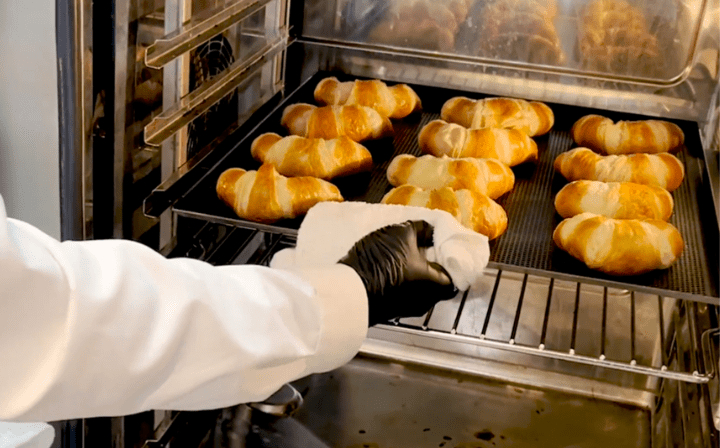
Guangzhou Chef Nest Kitchen employs over 150 skilled professionals, including engineers, technical specialists, quality inspectors, and sales personnel. This team is dedicated to providing exceptional customer service and technical support to clients worldwide. Guided by principles of innovation, reliability, and customer satisfaction, Guangzhou Chef Nest Kitchen Co., Ltd. continues to expand its global footprint, offering trusted kitchen solutions and building long-term partnerships with distributors, restaurants, and catering enterprises in multiple regions.
Understanding the internal engineering matrix is crucial for procurement officers evaluating structural durability, thermodynamic performance, and sanitation standards.
Modern Chinese beverage dispenser factories utilize heavy-duty stainless steel carbonator tanks capable of maintaining high-pressure saturation (up to 100 PSI). Using micro-bubble injection technologies, carbon dioxide is dissolved into chilled water with extreme efficiency, yielding stable volumes of CO2 (typically 3.5 to 4.2 volumes) even under high ambient operator temperatures.
Precision ceramic and electronic solenoid valves allow exact control over syrup-to-water Brix mixing ratios (standard 5:1 ratio). Advanced micro-adjustment screws prevent flow variance caused by temperature fluctuations or syrup viscosity changes (e.g., sugar-free vs. high-fructose corn syrup formulations).
Leading factories like Guangzhou Chef Nest Kitchen integrate hydrocarbon refrigerants (such as R290 propane) with zero ozone depletion potential (ODP) and ultra-low global warming potential (GWP). High-density polyurethane foam insulation walls retain internal ice-banks for hours, drastically reducing daily electricity overhead.
When selecting a manufacturing partner in China, verify that factory benchmarks meet or exceed the following technical parameter standards:
| Technical Dimension | Standard Commercial Grade | Enterprise / Industrial Grade |
|---|---|---|
| Refrigeration Capacity | 1/4 HP Compressor (R134a/R290) | 3/4 HP to 1.5 HP Heavy-Duty Compressor System |
| Continuous Dispensing Output | 60-90 Cups per Hour (12 oz) | 240+ Cups per Hour Peak Output |
| Syrup-to-Water Volumetric Accuracy | ± 2.5% Variance Margin | ± 0.5% Precision Solenoid Calibration |
| Chasis Material Composition | 201 Stainless Steel + ABS Polymer Body | 304 Food-Grade Brushed Stainless Steel Enclosure |
| Sanitation & Backflow Prevention | Single Check Valve System | ASSE 1022 Double Check Valve with Vent Assembly |
The global market for soda dispensers and food preparation machinery is rapidly moving toward digital telemetry, green engineering, and versatile multi-flavor modularization.
Top China soda dispenser factories are installing embedded IoT sensors on controller boards. Enterprise clients can track flavor utilization, monitor CO2 pressure levels, detect cooling loop degradation, and receive automated maintenance alerts via cloud dashboards, significantly cutting field downtime.
Consumer preferences are shifting from traditional high-sugar colas toward sparkling botanical waters, craft sodas, and kombuchas. Modern China manufacturers design customizable dispensing manifolds capable of adjusting nitrogen/CO2 ratios and dosing un-carbonated flavor streams simultaneously.
Clean-In-Place (CIP) technology is becoming standard across premium Chinese production lines. Automated internal flushing cycles sanitize dispense valves and syrup lines without requiring complete machine disassembly, maintaining compliance with global hazard standards (HACCP).
Soda dispensing equipment and commercial kitchen units must be tailored to distinct spatial, volumetric, and operational demanding environments.
High peak-hour volume requires rapid dispensing velocities (up to 3 oz/sec) with rapid-recovery ice banks. Direct integration with POS systems allows automated cup pouring in drive-thru setups.
Requires intuitive touch-screen interfaces, robust spill trays, and fail-safe lockouts. Machines built by leading factories offer modular flavor-shot additions and robust anti-microbial touch surfaces.
Utilizes remote bag-in-box (BIB) syrup racks located hundreds of feet away from the dispense head. High-pressure pump manifolds ensure stable pressure maintenance across extended line runs.
Marine-grade 316 stainless steel constructions resist salt-air corrosion. Fully enclosed refrigeration blocks ensure stable cooling even during vehicle or vessel motion.
To ensure seamless international trade execution and long-term asset reliability, corporate buyers should execute a structured verification matrix prior to finalizing supplier agreements.
Verify that the factory possesses legitimate certificates for destination markets. North America requires NSF/ANSI 18 (beverage sanitation) and UL 197/ETL safety compliance. European markets demand CE, RoHS, and LFGB food-contact declarations.
Request factory factory acceptance testing (FAT) records. Dispensers should undergo test runs under 40°C ambient room temperatures to ensure the ice-bank maintains 0°C bath temperatures and holds carbonation without foam blowout.
High-reliability dispensers use premium internal components. Confirm whether the factory uses world-class compressor brands (such as Secop, Embraco, or Tecumseh) and food-grade silicone/Tygon tubing for beverage conduits.
Ensure your OEM agreement includes critical spare parts packages (replacement solenoid seals, motor pumps, O-rings, and circuit modules) along with standardized exploded schematic diagrams for local field service technicians.
Expert answers addressing critical technical, logistical, and commercial inquiries surrounding soda dispenser manufacturing in China.
Standard production lead times for standard catalog models range between 15 to 25 business days. For customized OEM/ODM projects involving custom injection tooling, unique chassis sheet metal fabrication, or proprietary electronic UI design, initial prototype samples require 30 to 45 days, followed by mass production runs of 20 to 30 days after sample sign-off.
Leading manufacturers utilize automated carbonation water tanks equipped with dual-stage electronic liquid level sensors and high-pressure check valves. Coupled with cold-plate ambient chilling systems that maintain water temperatures near 32°F–34°F (0°C–1°C) prior to CO2 injection, the water absorbs gas optimally, maintaining consistent carbonation between 3.5 and 4.0 volumes.
Yes. Standard Chinese commercial soda dispensers feature flexible fluid input ports equipped with universal quick-disconnect fittings compatible with standard Bag-in-Box (BIB) connectors (such as Encon or Liqui-Box types) as well as pressurized stainless steel liquid tanks.
For North America, units should possess ETL Sanitation (conforming to NSF/ANSI Standard 18) and UL 197 for electrical safety. For Europe, CE certification, electrical compliance (LVD/EMC directives), RoHS environmental compliance, and LFGB or EU 10/2011 food-contact safety approvals are required.
Dispensers and heavy kitchen machinery are encased in multi-layer corrugated cardboard boxes reinforced with internal expanded polyethylene (EPE) corner protectors, vacuum-sealed plastic moisture wraps, and placed on ISPM-15 compliant fumigated wooden or composite pallets for forklift handling.
Discover our comprehensive array of commercial fryers, prep tables, cutter systems, and thermal processing units designed to work alongside high-volume soda stations.


 Chef Nest Kitchen