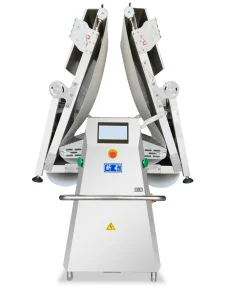
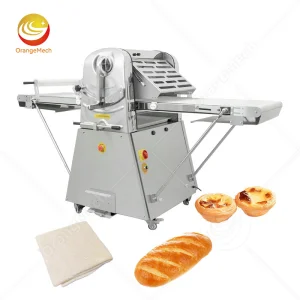
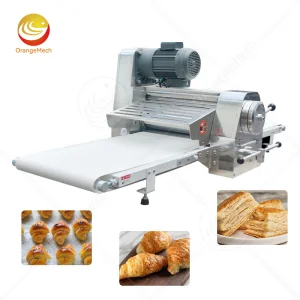
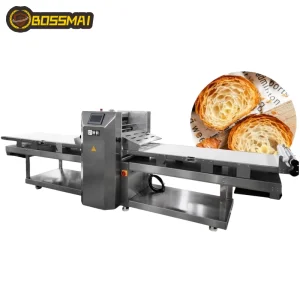
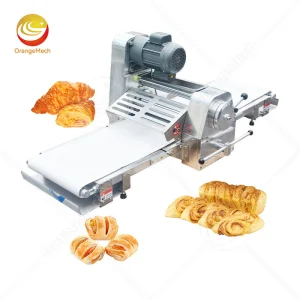
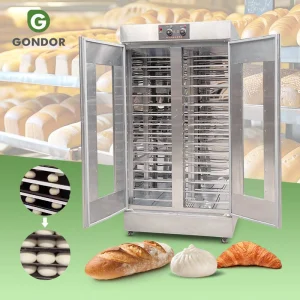
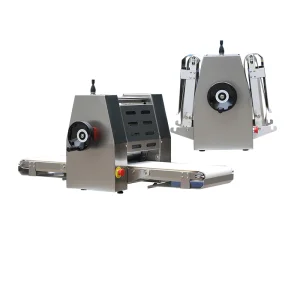
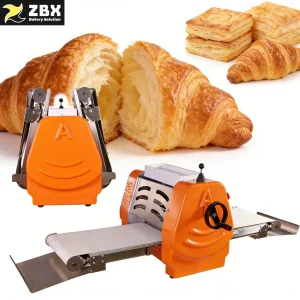
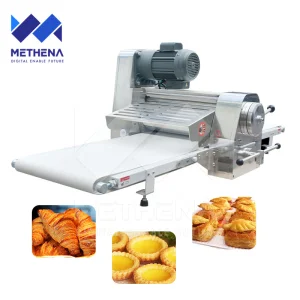
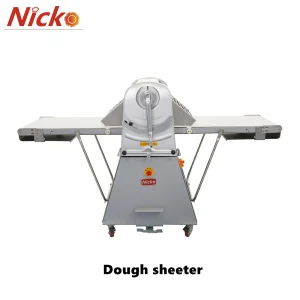
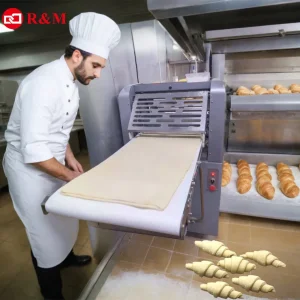
The global croissant market has evolved from a traditional French delicacy to a multi-billion dollar international industry. As of 2024, the demand for high-quality, laminated pastries is skyrocketing in Asia, North America, and the Middle East. This surge is driven by the expansion of premium coffee chains and artisanal bakery franchises that require consistent product quality across hundreds of locations.
Industrial croissant making machines have become the backbone of this growth. Modern factories are no longer just looking for simple rollers; they are seeking fully integrated production lines that can handle "long-shelf-life" dough and frozen technology. The shift toward frozen dough (Bake-off) solutions has revolutionized how hotels and supermarkets operate, making high-precision sheeters and proofers essential assets.
Next-generation croissant machines utilize sensors to monitor dough temperature and elasticity in real-time, automatically adjusting roller pressure to ensure the perfect 16-81 layers.
Modern factories are prioritizing green manufacturing. Our latest electric dough sheeters consume 30% less power while maintaining high-torque performance for heavy dough loads.
Wash-down capability is now a standard requirement. Using full SUS304 stainless steel ensures compliance with international FDA and CE food safety standards.
B2B buyers—from large-scale food distributors to regional bakery chains—have shifted their procurement focus. It's no longer just about the initial machine price; it's about the Total Cost of Ownership (TCO).
Our factory in Guangzhou addresses these needs by maintaining a robust inventory of components and offering customized voltage settings (110V/220V/380V) for different international markets.
Being located in Guangzhou, we have direct access to high-grade steel and advanced electronic components, reducing manufacturing costs without compromising quality.
Our engineering team can move from a client’s custom requirement to a prototype in 40% less time than European counterparts.
We support private labeling and specific mechanical modifications for regional preferences, such as adjustable speed controllers for softer Asian doughs.
Identifying the right partner involves evaluating technical prowess and after-sales support. The top 10 factories worldwide are characterized by:
Guangzhou Chef Nest Kitchen Co., Ltd. consistently ranks among the most reliable suppliers due to our balance of high-end features and competitive industrial pricing.
Guangzhou Chef Nest Kitchen Co., Ltd. is a professional manufacturer and supplier specializing in high-quality kitchen appliances and commercial cooking solutions. Located in Guangzhou, Guangdong Province, one of China’s leading industrial and trade hubs, the company benefits from a strategic location with convenient access to domestic and international markets. Covering an area of over 10,000 square meters, Chef Nest Kitchen operates modern production facilities equipped with advanced assembly lines, quality inspection laboratories, and efficient logistics systems. The company focuses on designing and producing innovative, durable, and user-friendly kitchen products that meet the diverse needs of restaurants, hotels, catering services, and households worldwide.
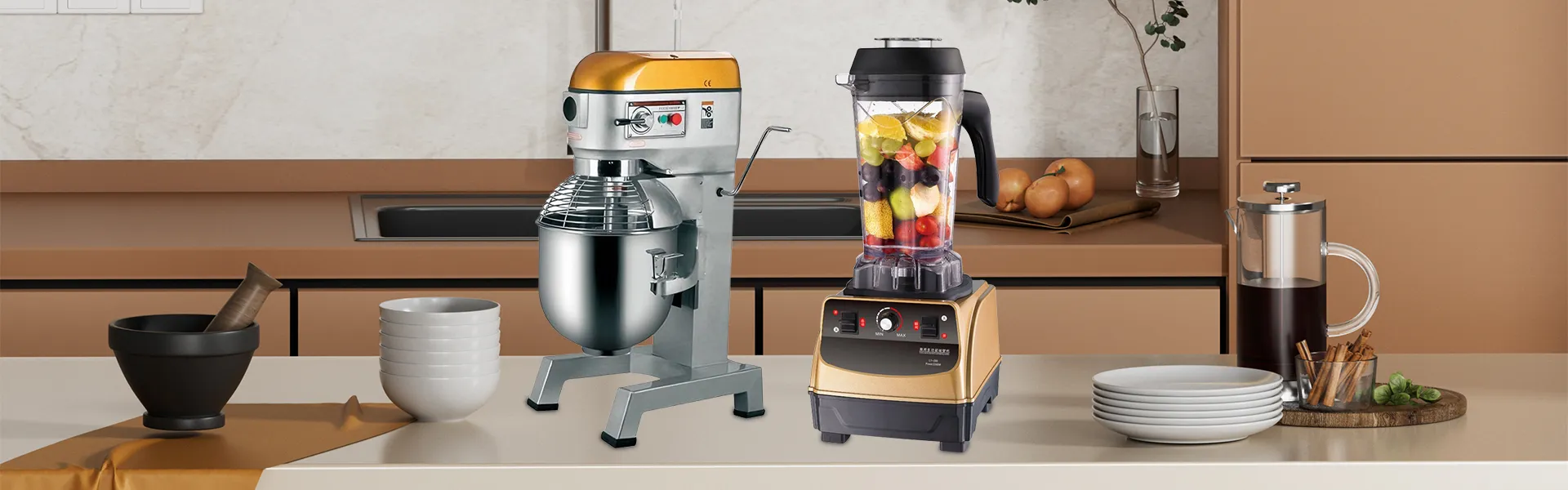
Since its establishment, Guangzhou Chef Nest Kitchen has grown steadily, expanding both its product portfolio and market reach. The company’s offerings include commercial ovens, electric cooking appliances, food processors, beverage machines, and other kitchen equipment designed for efficiency and safety. Over the past decade, Chef Nest Kitchen has invested in research and development, enabling it to launch a series of products that combine smart functionality, energy efficiency, and ergonomic design. With a strong emphasis on quality management, the company ensures that every product undergoes rigorous testing before leaving the factory.
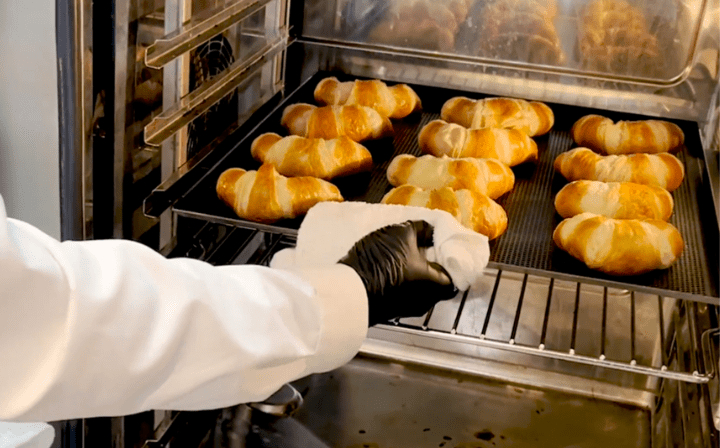
Guangzhou Chef Nest Kitchen employs over 150 skilled professionals, including engineers, technical specialists, quality inspectors, and sales personnel. This team is dedicated to providing exceptional customer service and technical support to clients worldwide. Guided by principles of innovation, reliability, and customer satisfaction, Guangzhou Chef Nest Kitchen Co., Ltd. continues to expand its global footprint, offering trusted kitchen solutions and building long-term partnerships with distributors, restaurants, and catering enterprises in multiple regions.
When searching for the Top 10 Croissant Making Machine Factories, it is vital to look beyond the exterior. The core of a high-quality machine lies in its roller synchronization. For industrial croissant production, the dough must be handled with care to prevent the "tearing" of the gluten network. This is where advanced manufacturing from Guangzhou Chef Nest Kitchen excels.
In Europe, the focus is on heavy, butter-rich doughs that require cooling periods. Our machines are compatible with refrigerated laminating processes. In contrast, in Asian markets, where softer and sweeter doughs are preferred, our rollers feature micro-adjustable thickness settings (from 1mm to 40mm) to accommodate delicate variations.
As labor costs rise globally, the Frozen Dough (Bake-Off) trend is accelerating. This means croissants are produced in a central factory, flash-frozen, and shipped to local cafes. To support this, our machines are designed for high-volume output, capable of processing hundreds of kilograms of dough per hour with minimal human intervention. The integration of automatic dough-cutters and folding stations into the sheeter line is the next frontier we are currently developing.
A machine is only as good as its uptime. We use high-tensile belts that resist oil and moisture, reducing the frequency of replacements. Our plug-and-play electronics allow local technicians in the USA, Europe, or SE Asia to easily swap components without needing a specialized engineer from our factory, though our digital support desk is available 24/7 for remote diagnostics.
In conclusion, the croissant making machine industry is shifting from simple mechanical tools to precision-controlled food processing systems. By choosing a factory that understands both the chemistry of baking and the physics of engineering, businesses can ensure a sustainable and profitable production line for years to come.
 Chef Nest Kitchen