The global demand for slow juicers, also known as masticating or cold-press juicers, has seen an unprecedented surge over the last decade. Unlike traditional centrifugal juicers that use high-speed blades causing heat and oxidation, slow juicers operate at low RPMs (typically between 40 to 80 RPM). This industrial shift is driven primarily by the "Health and Wellness" movement, where consumers are increasingly aware of enzyme preservation and nutrient density in their daily diets.
Currently, the market is divided into two major segments: household premium appliances and commercial-grade extraction systems. Factories in China, South Korea, and Germany dominate the export landscape. However, Chinese factories have emerged as the primary hub for global supply chains due to their rapid integration of AI-driven manufacturing and cost-effective scaling. From the bustling juice bars in Manhattan to the wellness retreats in Bali, the technology used is often traced back to high-tech industrial parks in Guangdong province.
As a leading Slow Juicer Machine Factory & Exporter, we recognize that the industry is no longer just about squeezing fruit. It is about precision engineering. The modern industrial landscape requires machines that can handle high-fiber greens, dense root vegetables, and even nut milks without overheating. This has led to the development of brushless DC (BLDC) motors which provide higher torque and quieter operation, marking a new era in food processing technology.
Innovation in the juice extraction industry is moving at lightning speed. One of the most significant trends is the "Wide-Feed" revolution. Older generations of slow juicers required intensive prep work, cutting fruits into tiny pieces. Modern factory designs now feature 82mm to 135mm large feeding chutes, allowing for whole-apple juicing, which significantly reduces labor time in commercial settings.
Another trend is the shift toward Tritan™ BPA-free materials and surgical-grade stainless steel. As food safety regulations tighten in the EU and North America (FDA, CE, LFGB), exporters must ensure that every component touching the juice is non-toxic and durable. Furthermore, the "Easy-Clean" design—pioneered by top-tier manufacturers—eliminates the need for tedious scrubbing with mesh-less filters, a feature that has become a major selling point for global procurement agents.
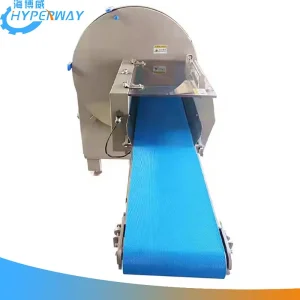
Our flagship cold-press models utilize a patented multi-stage masticating process. By crushing then squeezing, these machines extract up to 30% more juice than standard models. Perfect for commercial kitchens and high-end health retailers.
Explore Advanced EngineeringSustainability is also driving industrial change. Modern factories are optimizing the pomace (pulp) dryness. Higher efficiency means less food waste. In the context of industrial juice production, a 5% increase in juice yield can translate to thousands of dollars in annual savings for large-scale operations. This is why global buyers are moving away from cheap, high-speed juicers and investing in durable, high-torque slow juicer machines.
In the competitive world of kitchen appliance procurement, international buyers—ranging from Amazon private label brands to commercial hotel chains—have strict criteria. Reliability is paramount. A machine failure in a busy juice bar during the morning rush is not just a technical issue; it is a loss of revenue and brand reputation.
Exporters must provide comprehensive OEM/ODM services. This includes custom branding, localized plug types, and compliance with regional voltage requirements (110V-240V). For large-scale procurement, the stability of the supply chain is critical. As a China-based factory, we leverage the unparalleled industrial cluster in the Pearl River Delta, ensuring that even during peak seasons, we can maintain lead times and consistent quality control.
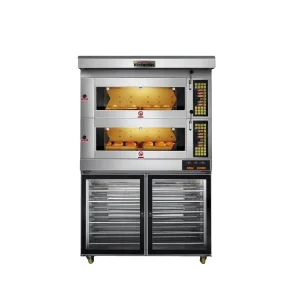
Meeting the rigorous standards of international hospitality. Our equipment is designed for 24/7 operation with minimal downtime, featuring advanced thermal protection and noise-reduction casing.
View Commercial SpecsFurthermore, localized application scenarios are becoming more diverse. In the Middle East, there is a high demand for machines that can handle pomegranates and dates. In Northern Europe, the focus is on hard root vegetables like carrots and beets for "winter detox" programs. In Southeast Asia, tropical fruit juicing requires specialized filters to manage high pulp content. Understanding these localized nuances is what separates a standard exporter from a strategic global partner.
Guangzhou Chef Nest Kitchen Co., Ltd. is a professional manufacturer and supplier specializing in high-quality kitchen appliances and commercial cooking solutions. Located in Guangzhou, Guangdong Province, one of China’s leading industrial and trade hubs, the company benefits from a strategic location with convenient access to domestic and international markets. Covering an area of over 10,000 square meters, Chef Nest Kitchen operates modern production facilities equipped with advanced assembly lines, quality inspection laboratories, and efficient logistics systems. The company focuses on designing and producing innovative, durable, and user-friendly kitchen products that meet the diverse needs of restaurants, hotels, catering services, and households worldwide.
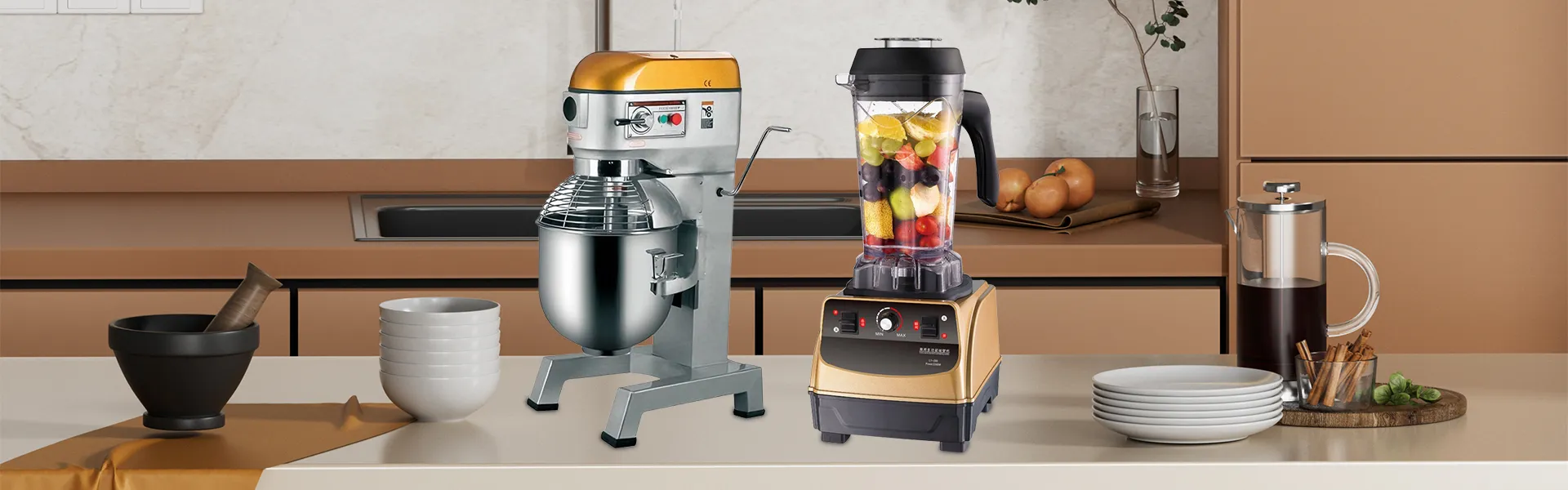
Since its establishment, Guangzhou Chef Nest Kitchen has grown steadily, expanding both its product portfolio and market reach. The company’s offerings include commercial ovens, electric cooking appliances, food processors, beverage machines, and other kitchen equipment designed for efficiency and safety. Over the past decade, Chef Nest Kitchen has invested in research and development, enabling it to launch a series of products that combine smart functionality, energy efficiency, and ergonomic design. With a strong emphasis on quality management, the company ensures that every product undergoes rigorous testing before leaving the factory.
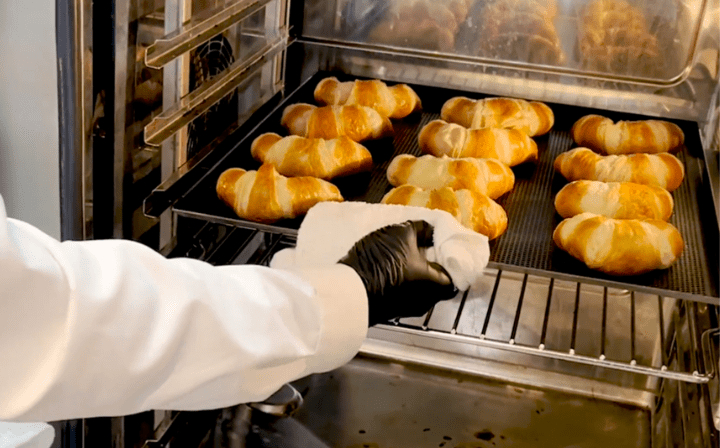
Guangzhou Chef Nest Kitchen employs over 150 skilled professionals, including engineers, technical specialists, quality inspectors, and sales personnel. This team is dedicated to providing exceptional customer service and technical support to clients worldwide. Guided by principles of innovation, reliability, and customer satisfaction, Guangzhou Chef Nest Kitchen Co., Ltd. continues to expand its global footprint, offering trusted kitchen solutions and building long-term partnerships with distributors, restaurants, and catering enterprises in multiple regions.
The decision to source from a Chinese factory like Chef Nest Kitchen involves more than just price competition. It is about technological agility. Chinese manufacturers can move from a design concept to a mass-produced prototype in a fraction of the time it takes elsewhere. Our integrated supply chain means we have immediate access to high-grade polymers, precision motors, and electronic components, all within a 50-mile radius.
Furthermore, the scale of production allows for rigorous quality control measures that smaller factories cannot afford. We employ automated testing rigs that simulate years of usage in just a few weeks, ensuring that the motor life and gear durability meet the highest international benchmarks. For exporters, this means fewer returns and higher customer satisfaction scores on platforms like Amazon, Wayfair, and Walmart.
Finally, our logistics expertise ensures that shipping bulk quantities of juice extraction machines is seamless. With our proximity to the Guangzhou and Shenzhen ports, we offer flexible shipping terms (FOB, CIF, DDP) and professional documentation handling, making us the preferred choice for Top 10 lists of exporters globally.
 Chef Nest Kitchen