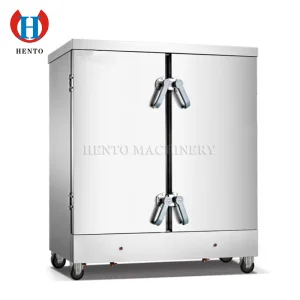
Custom OEM Food Steamer Factories & Factory

Advanced Commercial Thermal Systems, Industrial High-Capacity Design, and Turnkey Engineering Solutions Engineered for Global Catering Infrastructure & Rigorous Compliance Frameworks

Global Food Service Equipment Infrastructure Analysis

Macroeconomic shifts, strict regulatory environments, and the evolution of thermal efficiency paradigms across modern global processing clusters.

The global hospitality, institutional catering, and large-scale industrial food manufacturing sectors are currently undergoing an unprecedented technological paradigm shift. As corporate operators face shrinking operational margins, aggressive decarbonization policies, and stricter labor safety frameworks, the demand for highly specialized, energy-efficient cooking infrastructure has accelerated. Central to this transformation is the commercial food steamer—an asset whose importance has evolved from basic kitchen utility to a precise, engineered thermal system. In modern culinary environments, thermal transfer efficiency directly affects bottom-line profitability and sensory consistency at scale.
Selecting a premier engineering partner from the global network of Custom OEM Food Steamer Factories involves analyzing complex structural variables. B2B procurement professionals no longer evaluate equipment purely on price-per-unit metrics. Instead, contemporary selection criteria center on comprehensive lifecycle optimization, thermodynamic performance indicators, and structural resilience under continuous multi-shift operations. Industrial applications require high mechanical durability, smart system integration, and components designed for minimal downtime. This shift requires factories to move away from standardized assembly configurations toward agile engineering platforms that can adapt to specific enterprise requirements.
38%
Average Thermal Efficiency Gain
<0.5mm
Laser Micro-Welding Tolerances
100%
SUS304 / SUS316L Compliance
15k+
Global Enterprise Installations

Advanced Thermodynamics

Utilizing forced-convection steam delivery patterns paired with computerized localized pressure optimization, achieving uniform heat saturation across massive volume loads without flavor cross-contamination.

Structural Integrity

Constructed utilizing continuous-seam robotic TIG welding protocols and high-tensile austenitic stainless steels, completely mitigating thermal-bridge buckling risks under variable temperature cycles.

Smart Digital Integration

Integrated programmable logic controllers (PLCs) featuring multi-phase recipe sequencing, telemetry logging for absolute HACCP monitoring, and automated water-quality descaling alerts.

The Competitive Paradigm of Advanced Food Steamer Engineering

How precise thermodynamic orchestration, material selection, and structural isolation yield major operational advantages.

To truly evaluate an industrial food steamer factory, one must examine its core design engineering. Standard commercial steaming appliances often experience significant thermal loss due to insufficient high-density insulation boundaries and poorly calibrated steam generation loops. Leading OEM manufacturers mitigate these losses by incorporating advanced multi-chamber steam generation, which ensures a continuous supply of dry saturated steam. This specialized dry steam is critical because superheated or overly wet steam can degrade product textures and wash away essential nutrients. By managing vapor velocity profiles, our systems deliver consistent energy transference across every shelf level.
Furthermore, structural choices in food service equipment manufacturing determine long-term durability. High-end food steamer systems use premium SUS304 or molybdenum-stabilized SUS316L stainless steel for areas in direct contact with saline or acidic foods. Cheap manufacturing processes often rely on low-grade ferritic compositions that fail under regular chloride exposure from municipal water lines. By choosing a partner that utilizes premium materials and automated stress-relief manufacturing protocols, global enterprises significantly extend equipment service life, lower total cost of ownership, and reduce unplanned operational downtime.
Additionally, contemporary manufacturing efficiency relies on integrated sub-assembly clusters. Rather than assembling individual units piece-by-piece, modern facilities use advanced modular manufacturing lines. This methodology isolates electronic control panels, mechanical boiling matrices, and structural cooking chambers into independent modules. If a component requires servicing or retrofitting, field technicians can quickly access and swap modular blocks without dismantling the core frame. This smart structural philosophy underpins every high-performance appliance engineered within advanced processing environments.

Corporate Footprint & Industrial Production Scalability

Analyzing the operational capacities, manufacturing footprint, and core engineering resources of Guangzhou Chef Nest Kitchen Co., Ltd.
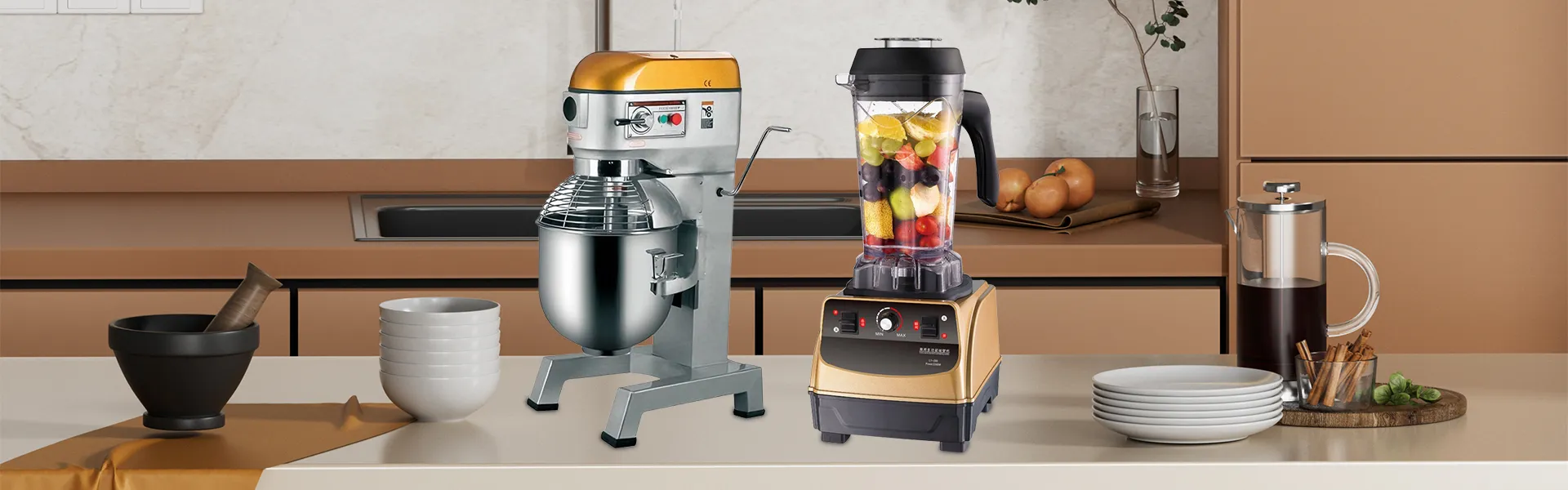
Guangzhou Chef Nest Kitchen Co., Ltd. is a professional manufacturer and supplier specializing in high-quality kitchen appliances and commercial cooking solutions. Located in Guangzhou, Guangdong Province, one of China’s leading industrial and trade hubs, the company benefits from a strategic location with convenient access to domestic and international markets. Covering an area of over 10,000 square meters, Chef Nest Kitchen operates modern production facilities equipped with advanced assembly lines, quality inspection laboratories, and efficient logistics systems. The company focuses on designing and producing innovative, durable, and user-friendly kitchen products that meet the diverse needs of restaurants, hotels, catering services, and households worldwide.
Since its establishment, Guangzhou Chef Nest Kitchen has grown steadily, expanding both its product portfolio and market reach. The company’s offerings include commercial ovens, electric cooking appliances, food processors, beverage machines, and other kitchen equipment designed for efficiency and safety. Over the past decade, Chef Nest Kitchen has invested in research and development, enabling it to launch a series of products that combine smart functionality, energy efficiency, and ergonomic design. With a strong emphasis on quality management, the company ensures that every product undergoes rigorous testing before leaving the factory.
Guangzhou Chef Nest Kitchen employs over 150 skilled professionals, including engineers, technical specialists, quality inspectors, and sales personnel. This team is dedicated to providing exceptional customer service and technical support to clients worldwide. Guided by principles of innovation, reliability, and customer satisfaction, Guangzhou Chef Nest Kitchen Co., Ltd. continues to expand its global footprint, offering trusted kitchen solutions and building long-term partnerships with distributors, restaurants, and catering enterprises in multiple regions.

Guangzhou Chef Nest Kitchen Corporate Infrastructure View 1

Guangzhou Chef Nest Kitchen Production Assembly Lab View 2

Strategic Advantages of the Pearl River Delta Manufacturing Ecosystem

How geographic clustering, localized material supply chains, and specialized engineering expertise optimize modern commercial kitchen equipment production.

The geographic positioning of an industrial supplier profoundly dictates its operational agility and long-term cost structures. Operating out of Guangzhou, Guangdong Province—the world's premier cluster for commercial food service machinery fabrication—allows top-tier manufacturers to leverage an elite industrial ecosystem. Within a 50-kilometer radius sits an optimized supply chain containing high-precision CNC laser centers, advanced metallurgical processing plants, specialized heavy heating element casting foundries, and automated electronic board builders. This high density of specialized sub-contractors reduces raw component lead times and eliminates international transit overheads on core materials.
This manufacturing density translates directly into substantial advantages for global OEM purchasers. When a client requires specialized modifications—such as custom rack spacing, altered voltage ratings for specific national power grids, or reinforced structural bases for marine kitchens—the engineering team can rapidly prototype and validate new components. Working within a mature manufacturing hub accelerates engineering iterations, reducing product development timelines from months to days compared to geographically isolated competitors.
Additionally, localized labor expertise remains an indispensable advantage. The regional workforce includes seasoned tooling designers, precision TIG weld specialists, and certified quality inspectors who understand international safety and sanitation standards. This deep talent pool ensures production consistency across large-volume manufacturing runs, keeping defect rates well below industry averages and ensuring compliance with strict global standards.

Cross-Industry Application Matrix & Operational Efficiency

Tailored configuration setups engineered for diverse operating models across high-throughput commercial and institutional culinary environments.

Institutional Facilities

High-occupancy environments like universities, military installations, and hospital complexes require continuous, large-volume cooking capabilities. Our custom multi-cabinet steamer configurations maximize vertical kitchen space, enabling operators to produce thousands of nutritionally balanced meals per hour. Integrated auto-drain frameworks minimize cross-flavor transfers and facilitate fast cleanup cycles between kitchen shifts.

Central Food Processing Plants

For central kitchens supplying retail food networks or airline catering lines, process repeatability is critical. Our industrial OEM systems feature advanced PLC interfaces that store multi-stage cooking programs, managing precise parameters like steam volume, interior cabin pressure, and product core temperatures. This automated control ensures consistent quality and texture across every production batch.

High-Output Bakeries

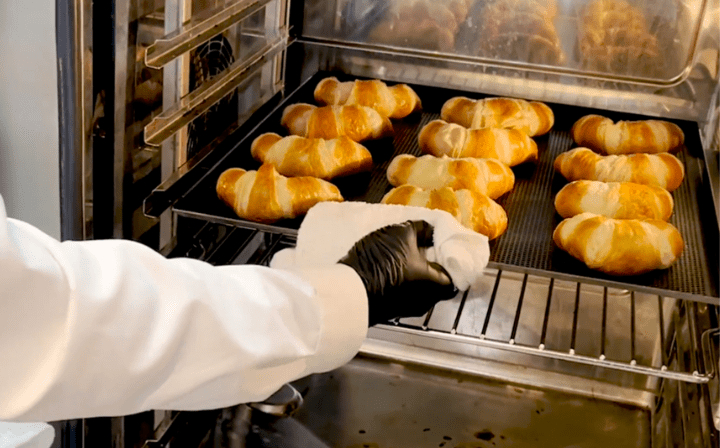
Modern commercial baking relies heavily on exact humidity control during early crust development phases. Specialized OEM steam injection systems deliver dense, low-velocity moisture that gelatinizes surface starches without deflating delicate dough structures. This precise moisture control creates excellent crust gloss and expansion profiles across artisan breads and buns.

Future Engineering Vectors: Green Thermal Systems & IoT Analytics

Anticipating the technological changes, connectivity developments, and ecological standards shaping the next generation of industrial food preparation systems.

Looking toward the future, commercial kitchen equipment design is increasingly shaped by environmental sustainability and intelligent connectivity. Modern food service operations are moving away from fossil-fuel-reliant heating toward efficient, all-electric thermal systems. Advanced electromagnetic steam generation systems achieve over 90% energy conversion efficiency, substantially outperforming traditional atmospheric gas burners. Additionally, innovative heat recovery loops capture and reuse thermal energy from exhaust vents to preheat incoming water lines, reducing overall energy consumption and minimizing a facility's environmental footprint.
Simultaneously, the integration of Internet of Things (IoT) technology is transforming fleet management for large-scale operators. Modern industrial food steamers feature intelligent diagnostic arrays that stream real-time operational metrics—such as element resistance variations, heating profile deviations, and water-sensor scaling thickness—directly to cloud-based monitoring dashboards. This continuous data flow enables predictive maintenance strategies, allowing service teams to replace components before a failure occurs. By minimizing unexpected downtime, global catering companies can maintain consistent production schedules and protect operational margins across international locations.

Technical Specification & Procurement FAQ

Detailed engineering insights addressing core configuration queries from procurement officers, international distributors, and kitchen design engineers.

What specific steel grades are utilized for high-salinity industrial applications?
For standard cooking environments, we utilize premium SUS304 austenitic stainless steel, which offers excellent structural resilience and corrosion resistance. For high-salinity processing setups or applications involving heavy acidic seasoning exposure, we construct the entire internal liner from molybdenum-stabilized SUS316L stainless steel. This premium alloy offers superior pitting resistance and prevents micro-fissure degradation along high-stress weld lines.
How do your custom OEM configurations achieve verifiable thermal energy savings?
Our high-efficiency custom equipment incorporates high-density, multi-layer polyurethane foam insulation boundaries paired with specialized ceramic fiber thermal breaks. This design seals the energy within the cooking chamber, keeping the external chassis cool and safe for kitchen personnel. Combined with our digital pulse-width modulated steam valves, these systems reduce standby energy usage by up to 30% compared to traditional open-vented appliances.
Can your equipment be adapted to comply with varied regional electrical standards?
Yes, our engineering team builds custom power management systems tailored to international market requirements. Whether your facility operates on a standard North American 208V/240V three-phase setup, a European 380V/415V system, or specialized marine power supplies, our manufacturing process configures compliant heating element arrays, internal wiring setups, and contactor blocks to ensure safe, stable operation.
What internal systems are in place to manage mineral scaling from hard water?
To combat mineral buildup, our premium food steamers feature automated, programmable drain cycles that flush mineral-dense water out of the steam generation chambers at designated intervals. Additionally, our equipment can be configured with specialized electronic water monitoring probes that alert kitchen staff when a descaling clean cycle is necessary, protecting heating elements from premature failure.
What typical lead times apply to large-volume industrial OEM orders?
Standard custom configurations typically require a 30 to 45-day production window, depending on the complexity of the engineering modifications and overall order volume. Because our manufacturing hub is strategically located near major shipping ports in Guangzhou, we can quickly coordinate efficient container loading and international logistics, ensuring reliable delivery schedules to global destinations.